















How to Troubleshoot No-Start Issues on a 2019 Toyota Camry Hybrid
Step-by-step testing for the 12V battery, starter relay, fuse, and READY mode with safety tips for 2018, 2019, 2020, 2021, 2022, 2023, 2024, 2025
How to Troubleshoot No-Start Issues on a 2019 Toyota Camry Hybrid
Step-by-step testing for the 12V battery, starter relay, fuse, and READY mode with safety tips for 2018, 2019, 2020, 2021, 2022, 2023, 2024, 2025


🔧 Starter Motor - Not Equipped / Hybrid Starting System
Your hybrid does not use a conventional bolt-on starter motor like a gas-only Camry. Engine start is handled by the hybrid transaxle motor-generator system, so there is no separate starter motor to replace under the hood.
Difficulty Level: Advanced | Estimated Time: 0.5-1 hours
⚠️ Safety & Precautions
- High-voltage hybrid components can be dangerous. Do not open orange-cable systems.
- Disable the vehicle properly before any hybrid-system work. Battery disconnect alone is not enough for HV service.
- Wait the required time for capacitors to discharge before touching hybrid components.
- Use insulated tools and wear safety glasses and gloves.
- If the concern is a no-crank/no-start, the issue is more likely the 12V battery, hybrid battery, interlock, or starting control system.
🔧 Required Tools
You'll need the following tools for this repair:
- 10mm socket
- Ratchet
- Extension bar
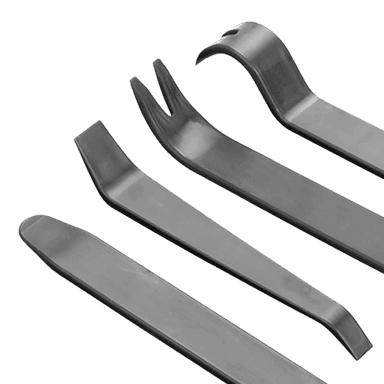
- Trim panel tool
- Safety glasses
- Insulated gloves
- Digital multimeter
- OBD-II scan tool
- Floor jack (rated 3-ton minimum)
- Jack stands
🔩 Required Parts
HowToo sells all the parts you need for this repair:
- 12V battery - Qty: 1
- Hybrid system service plug cover clip - Qty: 1
- Starter relay - Qty: 1
- Starter fuse - Qty: 1
📋 Before You Begin
- Park on level ground and set the parking brake.
- Shift to Park and power the vehicle completely off.
- Check the 12V battery first. A weak 12V battery can cause a no-start on a hybrid.
- If the hybrid warning lights are on, scan the vehicle before replacing parts.
🔨 Step-by-Step Instructions
Follow these steps in order:
Step 1: Confirm the starting system type
- Verify that this model uses hybrid motor-generator starting, not a separate starter motor.
- If the concern is no-start, use an OBD-II scan tool to check for hybrid and 12V system codes.
Step 2: Test the 12V battery
- Use a digital multimeter at the 12V battery terminals.
- Low battery voltage can prevent the hybrid control computers from powering up.
- Low 12V voltage is very common.
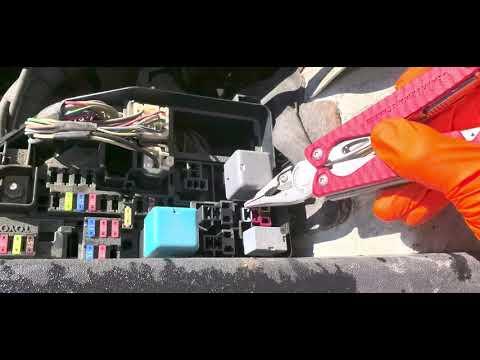
Step 3: Check starter relay and fuse
- Use the owner’s fuse layout and remove the starter-related fuse with a trim panel tool or your fingers if accessible.
- Inspect the relay and fuse for damage, heat marks, or corrosion.
- Replace any failed relay or fuse with the correct rated part.
Step 4: Inspect hybrid start conditions
- Confirm the vehicle recognizes Park, the brake pedal, and the key fob.
- If the car does not go to READY, the issue is in the hybrid start authorization path, not a starter motor.
Step 5: Replace the 12V battery if needed
- Use a 10mm socket and ratchet to disconnect the negative terminal first.
- Remove the hold-down, lift out the battery, and install the new one.
- Torque to 5.4 Nm (48 in-lbs) on small battery terminal hardware if removed.
✅ After Repair
- Clear any stored codes with the OBD-II scan tool.
- Start the vehicle and confirm it enters READY mode.
- Check for warning lights and re-scan if needed.
💰 DIY vs Shop Cost
Shop Cost: $150-$500 (diagnosis + battery/relay-related repair)
DIY Cost: $40-$220 (parts only)
You Save: $110-$280 by doing it yourself!
Shop labor rates vary but typically run $100-$150/hour. This repair takes a shop approximately 0.5-1 hours.
🎯 Ready to get started?
HowToo makes it easy: same-day/2-day shipping on every part, plus all the tools and specialty tools you need! Check out the parts and tools sections below to add everything to your cart.