




How to Service the Timing Chain on a 2013-2014 Subaru Outback 2.5L (Engine: Flat 4 2.5L)
Step-by-step guide correcting timing belt confusion with tools, parts, safety tips, and timing checks for 2013, 2014
How to Service the Timing Chain on a 2013-2014 Subaru Outback 2.5L (Engine: Flat 4 2.5L)
Step-by-step guide correcting timing belt confusion with tools, parts, safety tips, and timing checks for 2013, 2014


🔧 Outback - Timing Belt Replacement
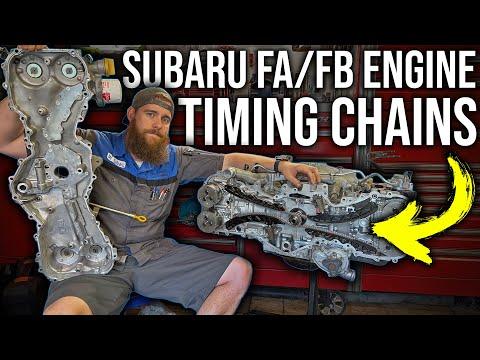
Your Outback with the 2.5L flat-4 uses a timing chain, not a timing belt. That means there is no routine timing belt replacement service on this engine.
If you are hearing chain rattle, have cam/crank correlation codes, oil leaks at the front cover, or poor running, the repair is timing chain/front timing cover service, which is a much more advanced job.
Difficulty Level: Advanced | Estimated Time: 8-12 hours
⚠️ Safety & Precautions
- ⚠️ Do not remove the front timing cover unless you are prepared to correctly time the engine.
- ⚠️ Incorrect camshaft or crankshaft timing can cause engine damage or a no-start condition.
- ⚠️ Let the engine cool fully before working near coolant, exhaust, or the radiator area.
- ⚠️ Disconnect the negative battery cable before removing electrical connectors near the engine front.
- ⚠️ Support the vehicle securely with jack stands if lifting it. Never rely on a jack alone.
🔧 Required Tools
You'll need the following tools for this repair:
- 10mm socket
- 12mm socket
- 14mm socket
- 17mm socket
- 22mm socket
- 3/8-inch ratchet
- 1/2-inch breaker bar
- Torque wrench 10-150 ft-lbs
- Serpentine belt tool
- Crankshaft pulley holder (specialty)
- Harmonic balancer puller (specialty)
- Plastic trim clip remover
- Gasket scraper plastic
- Drain pan 10-quart
- Floor jack rated 3-ton minimum
- Jack stands rated 3-ton minimum
- Wheel chocks
- Safety glasses
- Nitrile gloves
🔩 Required Parts
HowToo sells all the parts you need for this repair:
- Timing chain kit - Qty: 1
- Timing chain tensioner - Qty: 1
- Timing chain guides - Qty: 1 set
- Front timing cover sealant - Qty: 1
- Crankshaft front seal - Qty: 1
- Engine oil 0W-20 synthetic - Qty: 5.1 quarts
- Oil filter - Qty: 1
- Subaru-compatible coolant - Qty: As needed
- Accessory drive belt - Qty: 1
📋 Before You Begin
- ⚠️ Important correction: your Outback does not have a timing belt. It has timing chains inside the front engine cover.
- Park on level ground, set the parking brake, and place wheel chocks behind the rear wheels.
- Disconnect the negative battery cable using a 10mm socket.
- Allow the engine to cool completely before draining coolant or removing the radiator area components.
- A harmonic balancer is the large crankshaft pulley at the front of the engine. A puller is a tool that removes it without bending it.
- A torque wrench tightens bolts to an exact tightness. This matters because engine cover bolts can leak if over-tightened or under-tightened.
🔨 Step-by-Step Instructions
Follow these steps in order:
Step 1: Confirm This Is the Right Repair
- Use a scan tool if available to check for camshaft/crankshaft timing codes before disassembly.
- If the engine only needs routine maintenance, do not replace a timing belt because your Outback does not have one.
- Timing chain service is usually done only for noise, chain stretch, failed guides, failed tensioner, oil leaks, or timing-related fault codes.
- Tip: Diagnose first, replace second.
Step 2: Disconnect the Battery
- Use a 10mm socket to loosen the negative battery terminal clamp.
- Move the cable away from the battery post so it cannot spring back into contact.
Step 3: Raise and Secure the Front of the Vehicle
- Place wheel chocks behind the rear wheels.
- Use a floor jack rated 3-ton minimum to lift the front of your Outback at the approved front jacking point.
- Place jack stands rated 3-ton minimum under the approved support points.
- Gently lower the vehicle onto the stands and shake it lightly to confirm it is stable.
Step 4: Drain Coolant and Engine Oil
- Place a 10-quart drain pan under the radiator drain area.
- Use nitrile gloves and safety glasses before opening any drain points.
- Drain the coolant into the pan.
- Move the 10-quart drain pan under the engine oil pan.
- Use a 14mm socket to remove the oil drain plug.
- Reinstall the oil drain plug and tighten to Torque to 41 Nm (30 ft-lbs).
Step 5: Remove Engine Covers and Front Access Items
- Use a plastic trim clip remover to remove plastic clips from the upper radiator cover or splash panels as needed.
- Use a 10mm socket and 12mm socket to remove brackets, covers, and front access components blocking the timing cover.
- Keep bolts grouped by location. Subaru uses several similar-looking bolts in this area.
- Tip: Label bolts in sandwich bags.
Step 6: Remove the Accessory Drive Belt
- Use a serpentine belt tool to rotate the belt tensioner and release belt tension.
- Slide the accessory drive belt off the pulleys.
- Take a photo of the belt routing before removal if the routing label is missing.
Step 7: Remove the Crankshaft Pulley
- Install the crankshaft pulley holder to keep the pulley from turning.
- Use a 22mm socket and 1/2-inch breaker bar to loosen the crankshaft pulley bolt.
- Use a harmonic balancer puller to remove the crankshaft pulley if it does not slide off by hand.
- Do not pry against the timing cover. It can crack or bend the sealing surface.
Step 8: Remove the Front Timing Cover
- Use 10mm socket, 12mm socket, and 14mm socket to remove the timing cover bolts.
- Note bolt length and location carefully. Different lengths are used around the cover.
- Use a plastic gasket scraper to gently separate the timing cover from the engine.
- Do not gouge the aluminum sealing surfaces.
Step 9: Set Engine Timing Before Removing the Chain
- Use a 22mm socket on the crankshaft bolt to rotate the engine clockwise only.
- Align the crankshaft and camshaft timing marks according to the timing chain marks.
- Paint-mark the chain and sprockets before removal to create an extra visual reference.
- Do not rotate the crankshaft or camshafts after the chain is removed unless the service procedure requires it.
Step 10: Remove the Timing Chain Tensioner and Guides
- Use a 10mm socket or 12mm socket as fitted to remove the timing chain tensioner bolts.
- Use a 10mm socket or 12mm socket to remove the chain guide bolts.
- Remove the timing chain from the sprockets.
- Keep hands clear of spring-loaded tensioner parts.
Step 11: Install the New Timing Chain, Guides, and Tensioner
- Use the colored chain links to align the new chain with the camshaft and crankshaft timing marks.
- Use a 10mm socket or 12mm socket to install the new timing chain guides.
- Use a torque wrench 10-150 ft-lbs to tighten guide and tensioner fasteners to Subaru service-spec torque for the exact bolt size and location.
- Install the new tensioner only after all chain marks are aligned.
- Release the tensioner pin after verifying the chain is correctly seated on every sprocket.
Step 12: Verify Timing by Hand
- Use a 22mm socket to rotate the crankshaft clockwise two full turns.
- Stop immediately if you feel hard resistance.
- Recheck that the timing marks return to their correct positions.
- If the marks are off, do not continue. Remove and reset the chain.
Step 13: Clean and Reseal the Front Timing Cover
- Use a plastic gasket scraper to remove old sealant from the timing cover and engine block.
- Wipe the surfaces clean and dry.
- Apply front timing cover sealant in the factory-style bead path around oil and coolant passages.
- Install a new crankshaft front seal into the timing cover before reinstalling the cover.
- Tip: Clean sealing surfaces prevent leaks.
Step 14: Reinstall the Front Timing Cover
- Carefully place the timing cover onto the engine without smearing the sealant.
- Use a 10mm socket, 12mm socket, and 14mm socket to install bolts by hand first.
- Use a torque wrench 10-150 ft-lbs to tighten bolts evenly in stages following the factory tightening sequence.
- Do not overtighten small cover bolts. They thread into aluminum.
Step 15: Reinstall the Crankshaft Pulley
- Slide the crankshaft pulley onto the crankshaft by hand.
- Use the crankshaft pulley holder to hold the pulley still.
- Use a 22mm socket and torque wrench 10-150 ft-lbs to tighten the crankshaft pulley bolt to Subaru service-spec torque.
Step 16: Install the New Accessory Drive Belt
- Route the new accessory drive belt around the pulleys using the belt routing label or your photo.
- Use the serpentine belt tool to rotate the tensioner.
- Slide the belt into place and slowly release the tensioner.
- Check that every belt rib sits correctly in each pulley groove.
Step 17: Refill Oil and Coolant
- Install a new oil filter by hand until snug, then tighten according to the filter instructions.
- Add 0W-20 synthetic engine oil to the engine.
- Refill the cooling system with Subaru-compatible coolant.
- Use a 10-quart drain pan underneath while checking for leaks.
Step 18: Reconnect the Battery
- Use a 10mm socket to reconnect the negative battery cable.
- Make sure the terminal is snug and does not rotate by hand.
✅ After Repair
- Before starting, crank the engine only after confirming timing marks and all tools are removed from the engine bay.
- Start the engine and listen for chain slap, knocking, or abnormal rattling. Shut it off immediately if anything sounds wrong.
- Check the timing cover, crank seal, oil filter, drain plug, and coolant hoses for leaks.
- Let the engine reach operating temperature and confirm the cooling fans cycle on.
- Top off coolant after the engine cools completely.
- Clear any stored timing-related codes with a scan tool and road test gently.
- Recheck oil and coolant levels after the first drive.
💰 DIY vs Shop Cost
Shop Cost: $1,800-$3,200 (parts + labor)
DIY Cost: $350-$900 (parts only)
You Save: $1,000-$2,300 by doing it yourself!
Shop labor rates vary but typically run $100-$150/hour. This repair takes a shop approximately 8-12 hours.
🎯 Ready to get started?
HowToo makes it easy: same-day/2-day shipping on every part, plus all the tools and specialty tools you need! Check out the parts and tools sections below to add everything to your cart.