

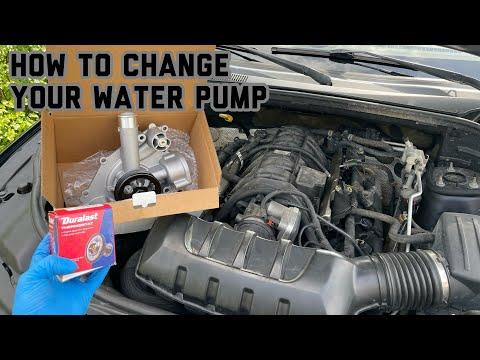




How to Replace the Water Pump on a 2019 Jeep Grand Cherokee 5.7L
Step-by-step DIY guide with tools, parts list, torque specs, safety tips, and bleeding procedure
How to Replace the Water Pump on a 2019 Jeep Grand Cherokee 5.7L
Step-by-step DIY guide with tools, parts list, torque specs, safety tips, and bleeding procedure


🔧 Grand Cherokee - Water Pump Replacement
You’ll be removing the belt-driven water pump from the front of your engine, swapping it for a new one, and refilling/bleeding the cooling system. This restores proper coolant flow and prevents overheating or leaks.
Difficulty Level: Intermediate | Estimated Time: 3-5 hours
⚠️ Safety & Precautions
- ⚠️ Always work on a cold engine. Hot coolant can cause serious burns.
- ⚠️ Disconnect the negative battery cable before working near the fan and belt.
- ⚠️ Coolant is toxic to people and animals. Collect it in a drain pan and dispose of it properly.
- ⚠️ The engine fan can be heavy and has sharp edges. Support it with both hands when removing.
- ⚠️ Keep tools and fingers clear of belt pulleys and sharp brackets.
- ⚠️ After refill, running with trapped air can overheat the engine. Follow the bleed steps carefully.
🔧 Required Tools
You'll need the following tools for this repair:
- 🛠️ Metric socket set (8mm–19mm)
- 🛠️ 1/4" drive ratchet
- 🛠️ 3/8" drive ratchet
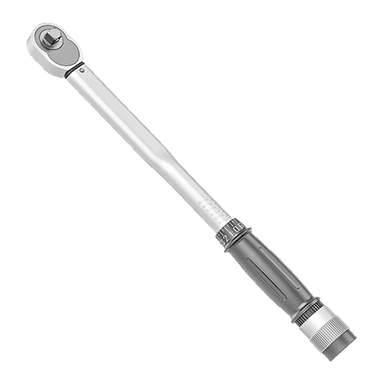
- 🛠️ 3/8" drive torque wrench (5–80 ft-lbs range)
- 🛠️ 6" socket extension
- 🛠️ 10mm combination wrench
- 🛠️ 13mm combination wrench
- 🛠️ 36mm fan clutch wrench (specialty)
- 🛠️ Fan clutch holding tool (specialty)
- 🛠️ Serpentine belt tool or 1/2" drive breaker bar
- 🛠️ Flat-blade screwdriver (medium)
- 🛠️ Hose clamp pliers or adjustable pliers
- 🛠️ Plastic trim clip removal tool
- 🛠️ Plastic scraper or gasket scraper (non-metal preferred)
- 🛠️ Drain pan (at least 10 liters)
- 🛠️ Small funnel
- 🛠️ Shop towels or rags
- 🛠️ Safety glasses
- 🛠️ Mechanic gloves
🔩 Required Parts
HowToo sells all the parts you need for this repair:
- 🔩 Engine water pump (5.7L) - Qty: 1
- 🔩 Water pump gasket or O-ring (as required for pump) - Qty: 1
- 🔩 Serpentine drive belt - Qty: 1 (recommended while you’re in there)
- 🔩 Upper radiator hose clamp - Qty: 1 (optional, replace if rusty/damaged)
- 🔩 Lower radiator hose clamp - Qty: 1 (optional)
- 🔩 Coolant bypass/heater hose clamps - Qty: 2-4 (optional)
- 🔩 Engine coolant (HOAT or OAT type specified for 5.7L) - Qty: 10-12 liters premixed
- 🔩 Cooling system seal rings or O-rings (if any hoses use them) - Qty: As needed
- 🔩 RTV silicone sealant (coolant-safe, if specified by pump manufacturer) - Qty: 1 small tube
- 🔩 Fan shroud clips or push pins - Qty: 2-4 (optional if any break)
📋 Before You Begin
- Park the Grand Cherokee on level ground, shift to Park, and set the parking brake.
- Let the engine cool completely (at least 1–2 hours after last running).
- Open the hood using the interior release, then the hood latch at the grille.
- Disconnect the negative battery cable using a 10mm socket or wrench and tuck it aside.
- Place the drain pan under the radiator drain area before loosening anything coolant-related.
🔨 Step-by-Step Instructions
Follow these steps in order:
Step 1: Drain the coolant
- Remove the coolant reservoir cap by hand to relieve any residual pressure.
- Place your drain pan under the radiator drain plug (bottom of radiator, driver side).
- Use a flat-blade screwdriver to carefully open the radiator drain plug and let coolant flow into the pan.
- Once the radiator flow slows, move the pan under the engine area and loosen the lower radiator hose at the water pump using hose clamp pliers to remove more coolant.
- When drained, tighten the radiator drain plug by hand, then snug it gently with the flat-blade screwdriver (do not overtighten).
Step 2: Remove air intake tube for access
- Locate the air intake tube between the air filter box and throttle body.
- Use an 8mm socket or flat-blade screwdriver to loosen the clamps on both ends.
- Disconnect any small hoses or electrical connectors on the tube by hand.
- Lift the intake tube out and set it aside on a clean surface.
Step 3: Remove the fan shroud and mechanical fan
- Locate the plastic fan shroud behind the radiator. Remove the top bolts using a 10mm socket.
- Release any wiring clips from the shroud using a plastic trim clip tool.
- Place the fan clutch holding tool (specialty) on the water pump pulley to hold it steady.
- Use the 36mm fan clutch wrench on the fan clutch nut at the center of the fan. Turn it clockwise to loosen (it is reverse-thread on the 5.7L).
- Once loose, spin off the fan and carefully lift the fan and shroud out together. Use both hands and move slowly to avoid hitting the radiator.
Step 4: Remove the serpentine belt
- Draw or take a picture of the belt routing before removal. Picture avoids wrong routing later
- Insert a 1/2" drive breaker bar or serpentine belt tool into the tensioner square hole.
- Rotate the tensioner clockwise to release belt tension.
- Slide the belt off the water pump pulley by hand, then slowly release the tensioner.
- Remove the belt completely and set aside (or discard if replacing).
Step 5: Disconnect hoses from the water pump
- Place rags under the hose connections to catch remaining coolant.
- Use hose clamp pliers or adjustable pliers to compress the clamps on the upper and lower hoses attached to the water pump and slide the clamps back on the hose.
- Twist each hose gently by hand to break it loose, then pull it off the water pump nipples.
- Disconnect any smaller bypass or heater hoses connected to the pump in the same way.
Step 6: Remove the water pump pulley (if separate)
- If your pump uses a separate pulley bolted to the hub, hold the pulley with your hand or use the fan clutch holding tool to stabilize it.
- Remove the pulley bolts with a 13mm socket and 3/8" ratchet.
- Set the pulley and bolts aside in a clean area.
Step 7: Remove the water pump from the engine
- Locate all the water pump mounting bolts around the pump housing.
- Using a 13mm socket, extension, and 3/8" ratchet, remove the bolts in a crisscross pattern.
- Note any bolts of different lengths and lay them out in order on a piece of cardboard.
- Gently tap the side of the pump with the palm of your hand to break the seal, then pull the pump straight off the engine.
- Be prepared for more coolant to drain; catch it with the drain pan.
Step 8: Clean the gasket surface
- Use a plastic scraper to carefully remove old gasket material from the engine block surface.
- Do not use metal tools that can gouge the aluminum surface.
- Wipe the surface clean with a rag; ensure no debris falls into the openings.
- If allowed by the pump instructions, apply a thin film of coolant-safe RTV at any specified locations (many pumps rely only on the gasket/O-ring; follow the pump’s instructions).
Step 9: Install the new water pump
- Place the new gasket or O-ring onto the new pump, making sure it is properly seated.
- Position the pump against the engine, lining up the bolt holes, and install all bolts finger-tight using a 13mm socket.
- With a 3/8" drive torque wrench and 13mm socket, tighten the bolts in a crisscross pattern to the final torque: Torque to 40 Nm (30 ft-lbs).
Step 10: Reinstall water pump pulley and hoses
- Place the pulley back on the pump hub and start its bolts by hand.
- Hold the pulley with the fan clutch holding tool and tighten the bolts using a 13mm socket and 3/8" ratchet to: Torque to 28 Nm (21 ft-lbs).
- Reconnect the upper and lower radiator hoses, plus any bypass/heater hoses, onto the pump ports.
- Slide the clamps back into position using hose clamp pliers and ensure they are centered over the hose nipples.
Step 11: Reinstall the serpentine belt
- Route the new or reused belt according to your drawing/photo.
- Use the 1/2" breaker bar or serpentine belt tool to rotate the tensioner clockwise.
- Slip the belt over the final pulley (usually the smooth idler or alternator), then slowly release the tensioner.
- Check that the belt sits properly in all pulley grooves.
Step 12: Reinstall fan and shroud
- Lower the fan and shroud together carefully into position between the engine and radiator.
- Thread the fan clutch nut by hand onto the water pump shaft (reverse thread, so turn it counterclockwise to install).
- Use the fan clutch holding tool and 36mm fan clutch wrench to snug the nut: Torque to 54 Nm (40 ft-lbs) (or firmly hand-tight if torque access is limited).
- Reinstall the shroud bolts using a 10mm socket and 3/8" ratchet and reconnect any wiring clips with the trim clip tool.
Step 13: Reinstall the air intake tube
- Refit the air intake tube between the air box and throttle body.
- Reconnect any hoses or sensors by hand until they click into place.
- Tighten both clamps with an 8mm socket or flat-blade screwdriver until snug.
Step 14: Reconnect battery and refill coolant
- Reconnect the negative battery cable using a 10mm wrench and tighten securely.
- Mix coolant to the correct ratio if not pre-mixed.
- Use a funnel to slowly fill the coolant reservoir up to the “MAX” mark.
- Open any bleed screw on the highest point of the system if equipped (some 5.7L systems have a small bleeder near the thermostat housing) using the appropriate socket or wrench.
- Add coolant until it begins to come out steadily (no bubbles) from the bleeder, then close the bleeder: Torque to 3–5 Nm (hand snug).
Step 15: Bleed the cooling system
- Start the engine and set the heater to maximum heat, fan on low.
- Let the engine idle with the coolant reservoir cap off; monitor the coolant level and add as needed using the funnel.
- Watch for air bubbles coming up in the reservoir. As the engine warms, the thermostat will open and the level may drop.
- Once the level stabilizes and warm air blows from the vents, install the coolant reservoir cap by hand.
- Let the engine reach normal operating temperature, then shut it off and allow it to cool completely. Recheck the coolant level and top off if needed.
✅ After Repair
- Check under the Grand Cherokee for any coolant drips or leaks at the water pump, hoses, and radiator drain.
- Start the engine and watch the temperature gauge; it should stay at normal once warmed up.
- Verify the heater works and blows hot air, which indicates coolant circulation.
- After your first short drive, recheck coolant level once the engine cools and inspect for any new leaks.
- Inspect the serpentine belt while running for straight tracking and no squealing.
💰 DIY vs Shop Cost
Shop Cost: $650-$1,000 (parts + labor)
DIY Cost: $180-$350 (parts only)
You Save: $470-$650 by doing it yourself!
Shop labor rates vary but typically run $100-$150/hour. This repair takes a shop approximately 3-4 hours.
🎯 Ready to get started?
HowToo makes it easy: same-day/2-day shipping on every part, plus all the tools and specialty tools you need! Check out the parts and tools sections above to add everything to your cart.