

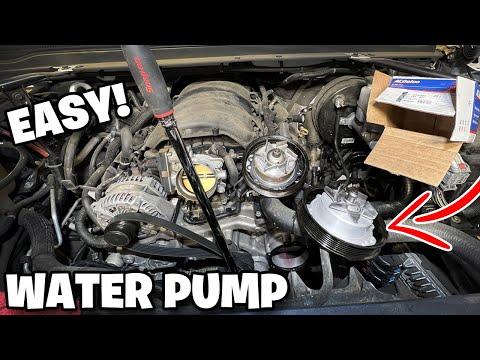





How to Replace the Water Pump on a 2019 GMC Sierra 1500
Step-by-step instructions with tools, parts, safety tips, and torque specs for 2019, 2020, 2021, 2022
How to Replace the Water Pump on a 2019 GMC Sierra 1500
Step-by-step instructions with tools, parts, safety tips, and torque specs for 2019, 2020, 2021, 2022


🔧 Water Pump - Replacement
The water pump circulates coolant through your engine to keep temperatures under control. On your Sierra, replacing a failing pump means draining coolant, removing the drive belt and accessory drive components around the pump, then installing the new pump with fresh gaskets and coolant.
Difficulty Level: Intermediate | Estimated Time: 3-5 hours
⚠️ Safety & Precautions
- Work only on a completely cool engine. Hot coolant can cause severe burns.
- Keep hands, clothing, and tools away from the belt and pulleys.
- Use a drain pan and dispose of coolant properly. Coolant is toxic.
- Do not reuse old gaskets or seals.
- No battery disconnect is normally required for this repair, but keep the key fob away from the vehicle.
🔧 Required Tools
You'll need the following tools for this repair:
- Metric socket set
- Metric wrench set
- Ratchet
- Breaker bar
- Torque wrench
- Serpentine belt tool (specialty)
- Drain pan
- Funnel
- Shop towels
- Gasket scraper
- Coolant pressure tester (specialty)
- Jack and jack stands
- Safety glasses
- Nitrile gloves
🔩 Required Parts
HowToo sells all the parts you need for this repair:
- Water pump - Qty: 1
- Water pump gasket or seal kit - Qty: 1
- Engine coolant - Qty: 2-3 gallons
- Thermostat gasket - Qty: 1
- Accessory drive belt - Qty: 1
- Water pump bolts - Qty: 1 set if required
📋 Before You Begin
- Park on level ground and set the parking brake.
- Let the engine cool completely.
- Raise the front of the truck only if you need extra access, and support it with jack stands.
- Place a drain pan under the radiator drain area.
- If equipped with a fan shroud or intake ducting blocking access, remove those first.
🔨 Step-by-Step Instructions
Follow these steps in order:
Step 1: Drain the coolant
- Open the radiator drain or remove the lower hose carefully and drain coolant into a pan.
- Use a drain pan and shop towels to catch spills.
- Keep coolant away from pets.
Step 2: Remove the engine cover and intake ducting
- Remove the engine cover by hand if equipped.
- Use the correct socket or screwdriver to remove the air intake tube and any ducting blocking access to the front of the engine.
Step 3: Remove the serpentine belt
- Use a serpentine belt tool (specialty) or breaker bar on the belt tensioner.
- Rotate the tensioner and slip the belt off a pulley.
- Inspect the belt now. Replace it if cracked or glazed.
Step 4: Remove the belt tensioner or related brackets if needed
- If the water pump is blocked by a bracket or tensioner, remove it with the correct metric socket.
- Torque on reassembly: 50 Nm (37 ft-lbs) unless the replacement part instructions say otherwise.
Step 5: Remove the water pump pulley
- Use a socket and hold the pulley steady as needed.
- Remove the pulley bolts and lift the pulley off.
- Mark bolt locations if lengths differ.
Step 6: Remove the water pump
- Use the correct metric socket to remove the water pump bolts.
- Break the pump loose carefully and pull it away from the engine.
- Be ready for trapped coolant to spill.
Step 7: Clean the mounting surface
- Use a gasket scraper and shop towels to clean all old gasket material from the engine surface.
- Do not gouge the aluminum housing.
- Wipe the surface dry before installing the new pump.
Step 8: Install the new water pump
- Install the new gasket or seal on the water pump.
- Position the pump on the engine and start all bolts by hand.
- Use a torque wrench to tighten the bolts evenly in a crisscross pattern.
- Torque to 25 Nm (18 ft-lbs) for the water pump bolts.
Step 9: Reinstall the pulley, brackets, and belt
- Reinstall the pulley and tighten its bolts evenly.
- Torque to 25 Nm (18 ft-lbs) for pulley bolts.
- Reinstall any brackets or the tensioner removed earlier.
- Route the belt using the factory belt path and release the tensioner slowly.
Step 10: Refill and bleed the cooling system
- Use a funnel to refill with the correct engine coolant.
- Start the engine and let it reach operating temperature with the heater on high.
- Top off coolant as air bleeds out.
- Check for leaks at the pump, hoses, and drain point.
Step 11: Final inspection
- Reinstall the intake ducting and engine cover.
- Verify belt tracking and listen for squeaks or rubbing.
- Recheck coolant level after the engine cools down.
✅ After Repair
- Run the engine to operating temperature and watch the temperature gauge.
- Check for coolant leaks after the first drive.
- Recheck coolant level again the next day when cold.
- If the heater blows cold or the temperature swings, you likely still have air in the system.
💰 DIY vs Shop Cost
Shop Cost: $700-$1,200 (parts + labor)
DIY Cost: $180-$350 (parts only)
You Save: $500-$850 by doing it yourself!
Shop labor rates vary but typically run $100-$150/hour. This repair takes a shop approximately 3-5 hours.
🎯 Ready to get started?
HowToo makes it easy: same-day/2-day shipping on every part, plus all the tools and specialty tools you need! Check out the parts and tools sections below to add everything to your cart.