






How to Replace the Water Pump on a 2017 Ford Explorer
Step-by-step instructions with tools, parts, torque specs, and safety tips for 2012, 2013, 2014, 2015, 2016, 2017, 2018, 2019
How to Replace the Water Pump on a 2017 Ford Explorer
Step-by-step instructions with tools, parts, torque specs, and safety tips for 2012, 2013, 2014, 2015, 2016, 2017, 2018, 2019


🔧 Water Pump - Replacement
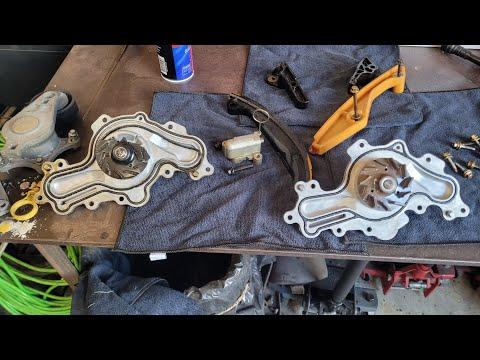
On your Explorer, the water pump is driven by the timing chain and sits behind the front cover. This is a more involved repair because coolant passages, accessory drive components, and timing-related parts must be removed to access it.
Difficulty Level: Advanced | Estimated Time: 8-12 hours
⚠️ Safety & Precautions
- Work only on a completely cold engine. Hot coolant can cause serious burns.
- Disconnect the negative battery cable before starting. This helps prevent accidental cranking.
- Drain coolant into a clean pan and keep it away from children and pets.
- This repair requires timing cover removal. Keep the engine at top dead center and do not rotate it randomly.
- If coolant has mixed with engine oil, do not start the engine until the repair is finished and the oil is changed.
- Use jack stands any time you raise the vehicle.
🔧 Required Tools
You'll need the following tools for this repair:
- Metric socket set
- Metric wrench set
- Torx bit set
- 1/4-inch drive ratchet
- 3/8-inch drive ratchet
- Torque wrench
- Breaker bar
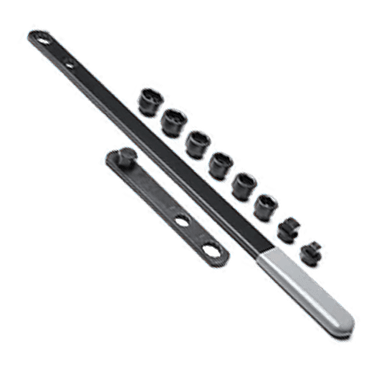
- Serpentine belt tool
- Drain pan
- Floor jack (rated 3-ton minimum)
- Jack stands
- Safety glasses
- Nitrile gloves
- Scraper blade
- Gasket remover
- Timing alignment tools (specialty)
- Harmonic balancer puller (specialty)
- Coolant funnel kit
🔩 Required Parts
HowToo sells all the parts you need for this repair:
- Water pump - Qty: 1
- Water pump gasket - Qty: 1
- Timing cover gasket set - Qty: 1
- Front crankshaft seal - Qty: 1
- Accessory drive belt - Qty: 1
- Engine coolant - Qty: 2 gallons
- RTV sealant - Qty: 1
- Oil filter - Qty: 1
- Engine oil - Qty: 6 quarts
📋 Before You Begin
- Park on level ground and set the parking brake.
- Let the engine cool fully before opening the cooling system.
- Disconnect the negative battery cable.
- Raise the front of the vehicle and support it securely with jack stands.
- If coolant contamination is present in the oil, plan on changing the oil and filter after the repair.
🔨 Step-by-Step Instructions
Follow these steps in order:
Step 1: Drain the cooling system
- Use a drain pan to catch the coolant from the radiator drain or lower hose.
- Open the coolant reservoir cap slowly after the engine is cool.
- Keep coolant off painted surfaces.
Step 2: Remove the engine covers and intake components
- Use a metric socket set to remove the engine cover and any intake ducting blocking access.
- Set all clamps and fasteners aside in order.
Step 3: Remove the accessory drive belt
- Use a serpentine belt tool to relieve tension and remove the belt.
- Inspect the belt for cracks or glazing and replace it if worn.
Step 4: Remove front engine accessories
- Use metric sockets and wrenches to remove components blocking the timing cover area, such as brackets and related accessories.
- Support any removed component so hoses or wires are not strained.
Step 5: Set the engine to timing position
- Use a breaker bar and the proper socket on the crankshaft bolt to rotate the engine to top dead center.
- Install the timing alignment tools to lock the camshafts and crankshaft in position.
- Do not rotate the engine after locking it.
Step 6: Remove the harmonic balancer
- Use a harmonic balancer puller to remove the crank pulley.
- Remove the crankshaft bolt with the correct socket and breaker bar if required by access.
Step 7: Remove the timing cover
- Use a metric socket and Torx bit set to remove the timing cover bolts.
- Carefully separate the cover with a scraper blade if sealed with RTV.
- Note bolt locations and lengths as you remove them.
Step 8: Remove the water pump
- Use a metric socket set to remove the water pump mounting bolts.
- Remove the pump straight out and catch any remaining coolant.
- Inspect the pump cavity for corrosion, leakage marks, or belt debris.
Step 9: Clean the sealing surfaces
- Use a scraper blade and gasket remover to clean the timing cover and pump mating surfaces.
- Do not gouge the aluminum surfaces.
- Clean surfaces seal better.
Step 10: Install the new water pump
- Install the new gasket and water pump in the correct orientation.
- Use a torque wrench to tighten the pump bolts evenly in a crisscross pattern.
- Torque to 10-12 Nm (89-106 in-lbs)
Step 11: Reinstall the timing cover
- Apply RTV sealant at the factory joint points where needed.
- Install the new front crankshaft seal if included in the gasket set.
- Use a torque wrench to tighten the timing cover bolts in sequence.
- Torque to 10-12 Nm (89-106 in-lbs)
Step 12: Reinstall the harmonic balancer and accessories
- Use the harmonic balancer puller in reverse only if needed for alignment; otherwise install by hand and seat it properly.
- Use a torque wrench for the crankshaft bolt and any removed brackets.
- Torque the crankshaft bolt to 270 Nm (199 ft-lbs) plus 90 degrees
Step 13: Install the belt and refill coolant
- Use the serpentine belt tool to install the belt.
- Refill the system with the correct coolant using a coolant funnel kit.
- Bleed air from the cooling system until the level stabilizes.
Step 14: Reconnect battery and verify repair
- Reconnect the negative battery cable.
- Start the engine and let it idle while watching for leaks.
- Check coolant level again after warm-up and after a cool-down cycle.
✅ After Repair
- Check for coolant leaks at the pump, timing cover, and hose connections.
- Verify the heater blows hot air, which helps confirm air is out of the system.
- Check engine oil for any sign of coolant contamination.
- Recheck coolant level after the first drive and top off if needed.
- If the oil was contaminated, change the oil and filter immediately after the repair.
💰 DIY vs Shop Cost
Shop Cost: $1,200-$2,100 (parts + labor)
DIY Cost: $180-$450 (parts only)
You Save: $750-$1,650 by doing it yourself!
Shop labor rates vary but typically run $100-$150/hour. This repair takes a shop approximately 8-12 hours.
🎯 Ready to get started?
HowToo makes it easy: same-day/2-day shipping on every part, plus all the tools and specialty tools you need! Check out the parts and tools sections below to add everything to your cart.