

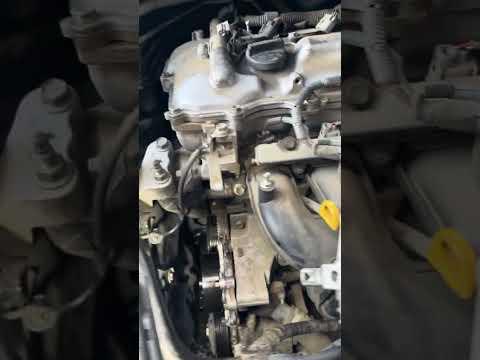







How to Replace the Water Pump on a 2012 Toyota Corolla (Coolant Drain & Belt Removal)
Step-by-step DIY instructions with required tools/parts, torque specs, and coolant refill & bleeding tips for 2011
How to Replace the Water Pump on a 2012 Toyota Corolla (Coolant Drain & Belt Removal)
Step-by-step DIY instructions with required tools/parts, torque specs, and coolant refill & bleeding tips for 2011


🔧 Corolla - Water Pump Replacement
On your Corolla, the water pump circulates coolant through the engine and radiator. Replacing it involves draining coolant, removing the drive belt, swapping the pump and gasket/O-ring, then refilling and bleeding the cooling system to prevent overheating.
Difficulty Level: Intermediate | Estimated Time: 2-4 hours
⚠️ Safety & Precautions
- ⚠️ Never open the radiator cap hot—coolant can spray and burn.
- 🧤 Support the car with jack stands; never rely on a floor jack alone.
- 🧯 Keep coolant off belts and wiring; it’s slippery and harmful to pets.
- 🔋 If working close to the alternator wiring, disconnect the negative battery cable.
🔧 Required Tools
You'll need the following tools for this repair:
- Floor jack (rated 2-ton minimum)
- Jack stands (rated 2-ton minimum)
- Wheel chocks
- Safety glasses
- Nitrile gloves
- Drain pan (at least 2-gallon)
- Funnel
- 10mm socket
- 10mm wrench
- 12mm socket
- 14mm socket
- 19mm wrench
- 3/8" drive ratchet
- 3/8" drive extension (6")
- Torque wrench (inch-pound)
- Torque wrench (ft-lb)
- Trim clip remover
- Flathead screwdriver
- Gasket scraper (plastic)
- Shop towels
🔩 Required Parts
HowToo sells all the parts you need for this repair:
- Engine water pump - Qty: 1
- Water pump gasket / O-ring (as supplied with pump) - Qty: 1
- Toyota Super Long Life Coolant (pink, pre-mixed) - Qty: 2 gallons
- Serpentine drive belt - Qty: 1 (recommended if cracked/glazed)
📋 Before You Begin
- 🅿️ Park on level ground, set the parking brake, and chock the rear wheels.
- 🧊 Let the engine cool completely (best is overnight).
- 🧰 A “torque wrench” is a tool that tightens bolts to an exact spec so you don’t strip threads.
- 🔋 Optional but smart: use a 10mm wrench to disconnect the negative battery cable.
🔨 Step-by-Step Instructions
Follow these steps in order:
Step 1: Raise the front of the car safely
- Use wheel chocks behind the rear wheels.
- Use a floor jack to lift the front passenger-side jacking point.
- Set the car onto jack stands before you work underneath.
Step 2: Remove the right-front splash access (as needed for access)
- Use a trim clip remover and flathead screwdriver to remove the plastic clips/screws from the passenger-side lower splash shield.
- Pull the shield back enough to reach the belt and water pump area.
Step 3: Drain the coolant
- Place a drain pan under the radiator drain cock (bottom of radiator).
- Slowly remove the radiator cap by hand once fully cool.
- Open the drain cock by hand (or with a flathead screwdriver if needed) and drain coolant into the pan.
- Close the drain cock when finished (snug by hand—do not over-tighten).
Step 4: Loosen the water pump pulley bolts (while the belt is still on)
- Use a 10mm socket and 3/8" ratchet to crack loose the water pump pulley bolts (do not remove them yet).
- Tip: The belt helps hold the pulley.
Step 5: Remove the serpentine belt
- Locate the belt tensioner (a spring-loaded arm that keeps belt tension).
- Use a 19mm wrench on the tensioner bolt head and rotate to relieve belt tension.
- Slip the belt off one pulley, then release the tensioner slowly.
- Remove the belt and set it aside. If reusing, note the belt routing.
Step 6: Remove the water pump pulley
- Use a 10mm socket to remove the pulley bolts completely.
- Remove the pulley by hand.
- On install later: Torque to 21 Nm (15 ft-lbs).
Step 7: Remove the water pump
- Put shop towels under the pump area to catch remaining coolant.
- Use a 10mm socket with a 3/8" ratchet and extension to remove the water pump mounting bolts.
- Pull the pump straight off. Expect more coolant to drain—keep the drain pan underneath.
Step 8: Clean the sealing surface
- Use a plastic gasket scraper to clean old gasket material from the engine mating surface.
- Wipe clean with shop towels until dry and smooth.
- Tip: Don’t gouge aluminum surfaces.
Step 9: Install the new water pump and gasket/O-ring
- Install the new gasket/O-ring onto the new pump (as supplied).
- Position the pump and start all bolts by hand to avoid cross-threading.
- Tighten evenly in a crisscross pattern using a 10mm socket.
- Final tighten using an inch-pound torque wrench: Torque to 10 Nm (89 in-lbs).
Step 10: Reinstall the water pump pulley
- Install the pulley and hand-start the bolts.
- Use a 10mm socket to snug them evenly.
- Final tighten using a ft-lb torque wrench: Torque to 21 Nm (15 ft-lbs).
Step 11: Reinstall the serpentine belt
- Route the belt around the pulleys the same way it came off.
- Use the 19mm wrench to rotate the tensioner, slip the belt on, then release the tensioner slowly.
- Visually confirm the belt is centered in every pulley groove.
Step 12: Reinstall splash shield and lower the car
- Reinstall the splash shield using the trim clip remover and flathead screwdriver as needed.
- Use the floor jack to lift slightly, remove jack stands, then lower the car.
Step 13: Refill and bleed the cooling system
- Pour Toyota Super Long Life Coolant (pink, pre-mixed) into the radiator using a funnel until full.
- Fill the coolant reservoir to the “FULL” line.
- Start the engine and set the heater to HOT with the fan on LOW.
- Let the engine idle until warm; watch for air bubbles and add coolant as the level drops.
- When the radiator fan cycles and the heater blows hot, top off and reinstall the radiator cap.
✅ After Repair
- 🔍 With the engine running, check for leaks around the pump and hoses.
- 🌡️ Test drive 10–15 minutes while watching the temperature gauge.
- 🧊 After it cools completely, recheck the radiator and reservoir level and top off as needed.
- 🧪 Dispose of old coolant properly (most parts stores accept it).
💰 DIY vs Shop Cost
Shop Cost: $450-$850 (parts + labor)
DIY Cost: $90-$220 (parts only)
You Save: $360-$630 by doing it yourself!
Shop labor rates vary but typically run $100-$150/hour. This repair takes a shop approximately 2-4 hours.
🎯 Ready to get started?
HowToo makes it easy: same-day/2-day shipping on every part, plus all the tools and specialty tools you need! Check out the parts and tools sections below to add everything to your cart.