






How to Replace the Timing Chain on a 2019 Ford Explorer 3.5L
Advanced step-by-step timing chain replacement guide with tools, parts list, safety warnings, and cost comparison for the 2019 Ford Explorer for 2016, 2017, 2018, 2019
How to Replace the Timing Chain on a 2019 Ford Explorer 3.5L
Advanced step-by-step timing chain replacement guide with tools, parts list, safety warnings, and cost comparison for the 2019 Ford Explorer for 2016, 2017, 2018, 2019


🔧 Explorer - Timing Chain / “Timing Belt” Replacement
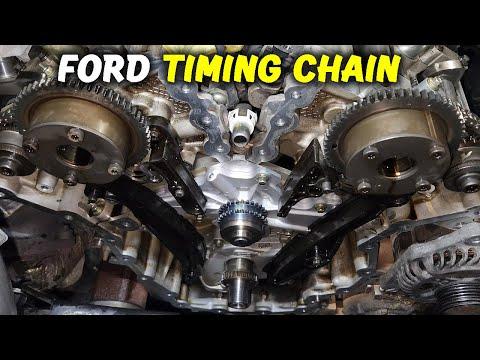
Your Explorer 3.5L EcoBoost does not use a timing belt. It has a timing chain system, which is internal to the engine and designed to last the life of the vehicle under normal conditions. Replacing it is a major engine job, not a typical driveway DIY.
Difficulty Level: Advanced (engine specialist level) | Estimated Time: 10–16 hours
⚠️ Safety & Precautions
- ⚠️ The timing chain sits behind the front engine cover; access often requires lowering or partially removing the engine. This can be dangerous without proper lifting equipment.
- ⚠️ Incorrect timing chain installation can cause catastrophic engine damage (bent valves, destroyed pistons).
- ⚠️ You’ll work near the starter, alternator, and main power cables—battery must be disconnected before any disassembly.
- ⚠️ Coolant and engine oil must be drained; spills are slippery and harmful to skin and environment.
- ⚠️ The high-pressure fuel system (direct injection) can hold high fuel pressure—improper release can spray fuel.
- ⚠️ This job is not recommended for a first-time DIYer without engine teardown experience.
🔧 Required Tools
You'll need the following tools for this repair (for reference, if a professional shop or very advanced DIYer does it):
- 🔹Complete metric socket set (8mm–21mm)
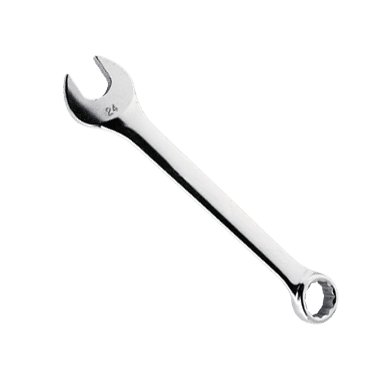
- 🔹Metric wrench set (8mm–21mm)
- 🔹1/4", 3/8" and 1/2" drive ratchets
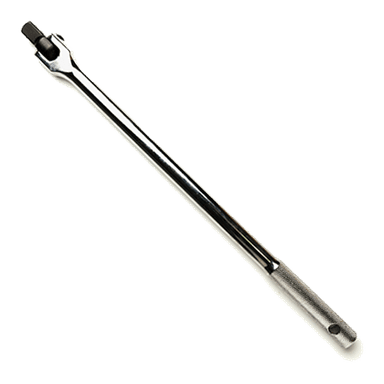
- 🔹Breaker bar 1/2" drive
- 🔹Torque wrench 3/8" drive (5–80 Nm range)
- 🔹Torque wrench 1/2" drive (40–250 Nm range)
- 🔹Torx bit set (T20–T55)
- 🔹E-Torx socket set (E6–E18)
- 🔹Flat blade screwdriver medium
- 🔹Phillips screwdriver medium
- 🔹Plastic trim clip remover
- 🔹Pry bar 12"
- 🔹Harmonic balancer puller (specialty)
- 🔹Engine support bar or engine hoist (specialty)
- 🔹Floor jack (rated 3-ton minimum)
- 🔹Jack stands (rated 3-ton, Qty: 2–4)
- 🔹Drain pan 10+ liters
- 🔹Funnel medium
- 🔹Plastic scraper
- 🔹Razor blade gasket scraper
- 🔹Shop rags
- 🔹Brake cleaner spray
- 🔹Engine timing locking tool set for Ford 3.5L EcoBoost (specialty)
- 🔹Camshaft holding tools for Ford 3.5L EcoBoost (specialty)
- 🔹Crankshaft locking pin for Ford 3.5L (specialty)
- 🔹Fuel line disconnect tool set (specialty)
- 🔹Safety glasses
- 🔹Mechanic gloves
🔩 Required Parts
HowToo sells all the parts you need for this repair:
- 🔹Timing chain kit (primary chain, guides, tensioners, sprockets as required) - Qty: 1
- 🔹Secondary timing chains and tensioners (for both cylinder heads, if not in kit) - Qty: 2
- 🔹Front timing cover gasket set - Qty: 1
- 🔹Valve cover gaskets (left and right) - Qty: 2
- 🔹Crankshaft front seal - Qty: 1
- 🔹Camshaft seals (if applicable) - Qty: 2–4
- 🔹Harmonic balancer bolt (torque-to-yield, single-use) - Qty: 1
- 🔹High-pressure fuel pump gasket/O-ring - Qty: 1
- 🔹Engine oil (5W-30 synthetic, Ford spec) - Qty: 6 quarts
- 🔹Oil filter - Qty: 1
- 🔹Engine coolant (Ford-approved, pre-mix or concentrate) - Qty: 2–3 gallons equivalent
- 🔹RTV engine sealant (for timing cover corners) - Qty: 1 tube
- 🔹Accessory drive belt - Qty: 1
- 🔹Miscellaneous one-time-use bolts (as required by Ford) - Qty: Various
📋 Before You Begin
- Park the Explorer on level ground, select Park, and set the parking brake.
- Allow the engine to cool fully; timing cover and coolant passages will be very hot after driving.
- Open the hood and remove the engine cover by hand if equipped.
- Disconnect the negative battery cable using a 10mm socket and move it aside so it cannot touch the terminal.
- Raise the front of the vehicle with a floor jack (3-ton) and support securely with jack stands under the proper frame points.
- Have a clean workbench or table ready to lay out parts in order. Keep parts laid out in removal order.
🔨 Step-by-Step Instructions
Follow these steps in order:
Because this is an advanced engine teardown and you’re a beginner, I’ll outline the main stages so you understand what’s involved. For actual timing chain replacement, a professional should follow the full Ford workshop manual with all torque specs and diagrams.
Step 1: Confirm You Actually Need Timing Chain Service
- Listen for symptoms with the engine running: rattling on cold start, timing-related fault codes (a shop can scan), or severe performance issues.
- If the engine is quiet and there are no timing-related trouble codes, Ford does not recommend routine timing chain replacement on this engine.
- Visit a trusted shop to run diagnostics before deciding on chain replacement. Diagnosis is cheaper than major teardown.
Step 2: Remove Intake and Accessories
- Use a flat blade screwdriver to loosen hose clamps on the intake tube and remove it.
- Unplug sensors and coils by hand; press the locking tabs gently.
- Use a 10mm socket to remove bolts holding the engine cover brackets and other small brackets.
- Remove the accessory drive belt by rotating the tensioner with a 15mm socket and breaker bar, then slipping the belt off the pulleys.
Step 3: Drain Coolant and Engine Oil
- Place a drain pan 10+ liters under the radiator drain or lower hose.
- Use a flat blade screwdriver or hand to open the radiator drain (if equipped) or remove the lower hose clamp and hose.
- Move the drain pan under the oil pan plug; use a 15mm socket to remove the oil drain plug and drain oil.
- Reinstall the drain plug by hand and tighten with a 15mm socket to Torque to 27 Nm (20 ft-lbs).
Step 4: Remove Engine Mount Brackets and Support Engine
- Install an engine support bar over the top of the engine bay or use an engine hoist attached to proper lift points.
- Use a 15mm and 18mm socket to remove engine mount bolts and nuts on the timing cover side as required for access.
- Make sure the engine is safely supported before fully removing any mount bolts.
Step 5: Remove Valve Covers and Front Timing Cover
- Use a 10mm socket to remove valve cover bolts for both cylinder banks, then carefully lift the covers off.
- Use a plastic scraper to remove any RTV or gasket pieces stuck to the head surfaces.
- Remove the crankshaft pulley/harmonic balancer using a harmonic balancer puller after removing the center bolt with a 21mm socket and breaker bar.
- Use the appropriate Torx bits and metric sockets to remove all timing cover bolts; note their locations and lengths.
- Pry gently with a pry bar if needed to break the seal and remove the timing cover.
Step 6: Lock Engine at Top Dead Center (TDC)
- Rotate the crankshaft with a 21mm socket on the crank bolt until cylinder 1 is at TDC as specified by Ford (alignment marks on crank and cams).
- Install the crankshaft locking pin from the timing tool kit into the engine block to lock the crank.
- Install the camshaft holding tools on both banks so the cams cannot rotate.
- Never skip locking tools on a modern engine.
Step 7: Remove Timing Chains, Guides, and Tensioners
- Use the correct Torx or E-Torx sockets to remove bolts from the timing chain guides and tensioners.
- Carefully relieve tension from the chains as you remove the tensioners, then lift off the chains from the sprockets.
- Keep track of which chain and guide came from which bank.
Step 8: Install New Chains, Guides, and Tensioners
- Install new guides and tensioners with the correct Torx or E-Torx sockets, following Ford’s specified sequence.
- Fit the new chains according to the colored links and timing marks on the sprockets.
- Torque all fasteners to Ford’s exact specs (you must reference the service manual; values vary by bolt).
- Release the new tensioners so they apply tension to the chains.
Step 9: Verify Timing and Reassemble Front of Engine
- Double-check that cam and crank timing marks line up with the service manual diagrams.
- Remove the cam and crank locking tools and rotate the engine by hand two full turns with a 21mm socket, then recheck marks.
- Clean the timing cover and engine block surfaces with a razor blade scraper and brake cleaner.
- Apply RTV engine sealant at the specified corners, then install the timing cover and bolts using appropriate metric sockets. Torque to Ford specs.
- Reinstall the harmonic balancer with a new bolt, using a 21mm socket and torque wrench, following the torque + angle procedure in the manual.
Step 10: Reinstall Valve Covers, Mounts, and Accessories
- Install new valve cover gaskets, then reinstall covers with a 10mm socket and torque to spec.
- Reinstall engine mounts and brackets with 15mm and 18mm sockets; torque to Ford specs.
- Reinstall the accessory drive belt by rotating the tensioner with a 15mm socket.
- Reattach intake tubing and reconnect all sensors and coils.
Step 11: Refill Fluids and Final Checks
- Install a new oil filter by hand, then snug it with your hand only.
- Refill the engine with 5W-30 synthetic oil using a funnel.
- Refill the cooling system with the correct coolant mixture using a funnel.
- Reconnect the negative battery terminal with a 10mm socket.
✅ After Repair
- Start the engine and listen carefully for abnormal noises (rattles, knocking, grinding). Shut off immediately if something sounds wrong.
- Check for warning lights on the dash. Use a scan tool at a shop to clear any codes and verify cam/crank correlation is within spec.
- Inspect for oil or coolant leaks around the timing cover, valve covers, and hoses.
- Let the engine reach operating temperature, then recheck coolant level and top up if needed.
- After a short test drive, check fluid levels and fasteners again.
💰 DIY vs Shop Cost
Shop Cost: $2,000–$3,500 (parts + labor)
DIY Cost: $500–$1,000 (parts, fluids, sealant)
You Save: $1,500–$2,500 by doing it yourself!
Shop labor rates vary but typically run $100–$150/hour. This repair takes a shop approximately 10–16 hours.
🎯 Ready to get started?
Given you’re new to wrenching and this job is very complex, I strongly recommend having a professional handle any timing chain replacement on your Explorer, and starting your DIY journey with easier jobs (oil changes, filters, brakes). HowToo makes it easy: same-day/2-day shipping on every part, plus all the tools and specialty tools you need! Check out the parts and tools sections above to add everything to your cart.