









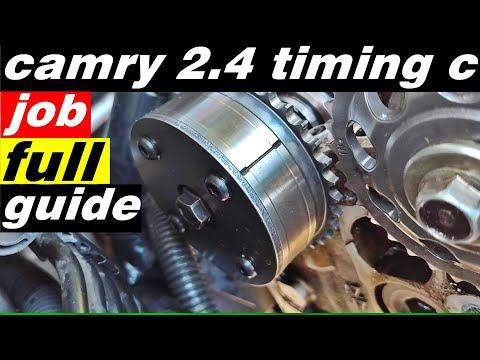



How to Replace the Timing Chain on a 2017 Toyota Camry 2.5L
Step-by-step timing chain service with tools, parts, safety tips, and torque specs for 2010, 2011, 2012, 2013, 2014, 2015, 2016, 2017
How to Replace the Timing Chain on a 2017 Toyota Camry 2.5L
Step-by-step timing chain service with tools, parts, safety tips, and torque specs for 2010, 2011, 2012, 2013, 2014, 2015, 2016, 2017


🔧 Timing Belt - Service Not Applicable
Your Camry 2.5L does not use a timing belt. It uses a timing chain, which is inside the engine and is not scheduled for routine replacement like a belt. If you’re hearing chain noise, have a cam/crank correlation code, or have a no-start concern, the repair is a timing chain diagnostic or replacement job instead.
Difficulty Level: Advanced | Estimated Time: 8-14 hours
⚠️ Safety & Precautions
- Timing chain service requires major engine disassembly.
- Disconnect the battery before starting any work.
- Support the engine properly if mounts must be removed.
- Keep the crankshaft and camshafts indexed exactly as specified.
- Do not rotate the engine with the chain removed unless the procedure allows it.
- Use care around hot exhaust components and engine oil.
🔧 Required Tools
You'll need the following tools for this repair:
- Metric socket set
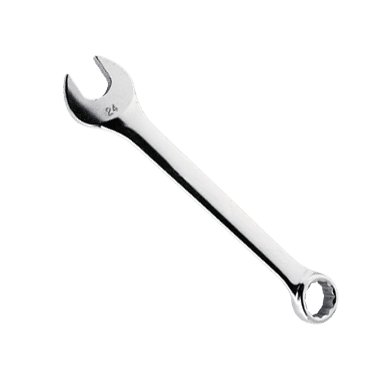
- Metric wrench set
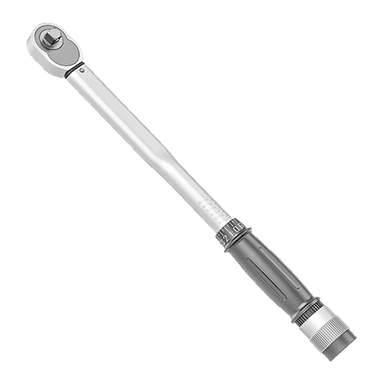
- Torque wrench
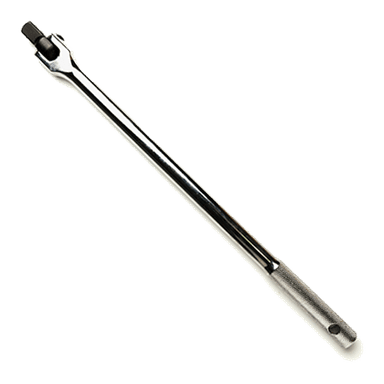
- Breaker bar
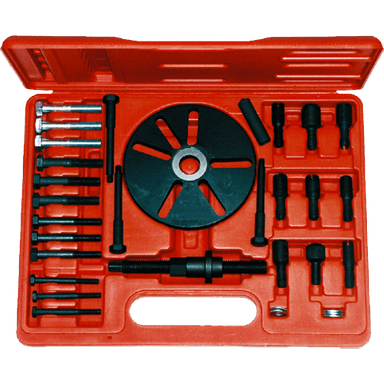
- Harmonic balancer puller (specialty)
- Crankshaft pulley holding tool (specialty)
- Engine support bar or floor jack with wood block
- Jack stands
- Drain pan
- Oil filter wrench
- Gasket scraper
- Plastic trim tool
- Safety glasses
- Nitrile gloves
🔩 Required Parts
HowToo sells all the parts you need for this repair:
- Timing chain set - Qty: 1
- Timing chain tensioner - Qty: 1
- Timing chain guides - Qty: 1 set
- Front engine cover gasket - Qty: 1
- Valve cover gasket - Qty: 1
- Crankshaft seal - Qty: 1
- Camshaft seals - Qty: 2
- Engine oil - Qty: 5 quarts
- Oil filter - Qty: 1
- Coolant - Qty: 1-2 gallons
- RTV sealant - Qty: 1 tube
- One-time-use bolts and seals - Qty: 1 set
📋 Before You Begin
- Park on level ground and set the parking brake.
- Let the engine cool completely.
- Disconnect the negative battery cable before starting.
- Drain the engine oil and coolant if the front cover removal requires it.
- Plan on using factory timing marks and service data for exact alignment.
🔨 Step-by-Step Instructions
Follow these steps in order:
Step 1: Disconnect and drain fluids
- Use a 10mm wrench to disconnect the negative battery cable.
- Use a drain pan to drain the engine oil.
- If needed for access, use a drain pan to drain the coolant.
- Label bolts as you remove them.
Step 2: Remove front-end access components
- Use a metric socket set and plastic trim tool to remove covers, intake ducts, and any splash shields blocking access.
- Use a metric socket set to remove the accessory drive belt and related brackets as needed.
Step 3: Support the engine and remove mounts
- Use an engine support bar or floor jack with wood block to support the engine.
- Use a metric socket set to remove the engine mount and any brackets blocking the timing cover.
- Torque to factory specification during reassembly.
Step 4: Remove the crank pulley and timing covers
- Use a crankshaft pulley holding tool (specialty) and breaker bar to remove the crankshaft pulley bolt.
- Use a harmonic balancer puller (specialty) to remove the crank pulley if it is tight.
- Use a metric socket set to remove the timing chain cover bolts.
- Do not pry on sealing surfaces.
Step 5: Set engine timing to top dead center
- Use a breaker bar on the crankshaft bolt to rotate the engine by hand.
- Align the crankshaft and camshaft timing marks exactly as specified in service data.
- Verify the chain and colored links, if equipped, are matched to the marks.
Step 6: Remove the tensioner, guides, and chain
- Use a metric socket set to remove the timing chain tensioner.
- Remove the chain guides with the metric socket set.
- Remove the timing chain carefully and keep the sprockets indexed.
- Torque to factory specification during reassembly.
Step 7: Install the new chain components
- Install the new chain, guides, and tensioner in the correct sequence.
- Use the factory timing marks to confirm proper alignment before releasing the tensioner.
- Prime the tensioner if the service procedure calls for it.
Step 8: Reassemble the front cover and accessories
- Clean the sealing surfaces with a gasket scraper.
- Apply RTV sealant only where specified.
- Use a torque wrench to tighten the timing cover bolts in sequence.
- Reinstall the crank pulley, mount, belts, and removed components.
- Torque to factory specification.
Step 9: Refill fluids and reconnect battery
- Use a funnel to refill engine oil and coolant.
- Reinstall the oil filter and drain plug with new seals if required.
- Reconnect the negative battery cable with a 10mm wrench.
✅ After Repair
- Start the engine and listen for abnormal chain noise.
- Check for oil or coolant leaks around the front cover.
- Verify there are no check-engine lights.
- Road test gently and recheck fluid levels.
💰 DIY vs Shop Cost
Shop Cost: $1,800-$3,500 (parts + labor)
DIY Cost: $250-$700 (parts only)
You Save: $1,100-$2,800 by doing it yourself!
Shop labor rates vary but typically run $100-$150/hour. This repair takes a shop approximately 8-14 hours.
🎯 Ready to get started?
HowToo makes it easy: same-day/2-day shipping on every part, plus all the tools and specialty tools you need! Check out the parts and tools sections below to add everything to your cart.