






How to Replace the Timing Chain on a 2014-2018 Jeep Grand Cherokee 5.7L HEMI (Engine: V6 3.6L)
Step-by-step guide explaining no timing belt, with tools, parts, safety tips, and costs for 2014, 2015, 2016, 2017, 2018
How to Replace the Timing Chain on a 2014-2018 Jeep Grand Cherokee 5.7L HEMI (Engine: V6 3.6L)
Step-by-step guide explaining no timing belt, with tools, parts, safety tips, and costs for 2014, 2015, 2016, 2017, 2018


🔧 Grand Cherokee - Timing Drive Inspection
Your Grand Cherokee does not use a timing belt. The 5.7L HEMI V8 uses an internal timing chain, which is designed to last much longer than a belt and is lubricated by engine oil.
Replacing the timing chain is a major engine-front-cover repair, not a beginner timing-belt service. It is usually only done for confirmed chain stretch, guide failure, cam/crank correlation codes, noise, or internal engine repair.
Difficulty Level: Advanced | Estimated Time: 8-12 hours
⚠️ Safety & Precautions
- ⚠️ Disconnect the negative battery cable before working near the cooling fan, starter circuit, or front engine accessories.
- ⚠️ Let the engine cool completely before draining coolant or removing radiator hoses.
- ⚠️ Support your Grand Cherokee securely on jack stands if raising it. Never rely on a jack alone.
- ⚠️ The crankshaft pulley bolt is very tight. Use the correct holding tool to avoid injury or engine damage.
- ⚠️ Incorrect camshaft/crankshaft timing can cause poor running or engine damage.
- ⚠️ The A/C system does not need to be opened. Do not disconnect A/C refrigerant lines.
🔧 Required Tools
You'll need the following tools for this repair:
- 3/8-inch drive ratchet
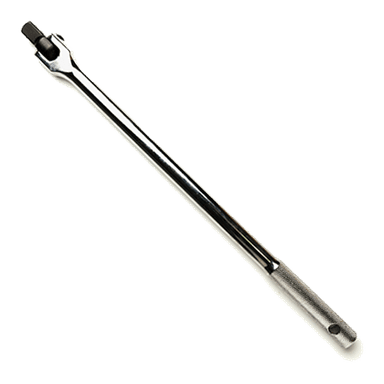
- 1/2-inch drive breaker bar
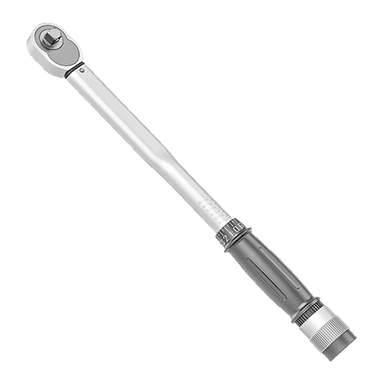
- 1/2-inch drive torque wrench
- 3/8-inch drive torque wrench
- 8mm socket
- 10mm socket
- 13mm socket
- 15mm socket
- 16mm socket
- 18mm socket
- 21mm socket
- 24mm socket
- Short socket extension set
- Long socket extension set
- Serpentine belt tool
- Harmonic balancer puller kit (specialty)
- Crankshaft damper installer tool (specialty)
- Crankshaft holding tool (specialty)
- Fan clutch wrench set (specialty)
- Trim clip removal tool
- Flat-blade screwdriver
- Plastic scraper
- Gasket scraper
- Drain pan 3-gallon minimum
- Coolant funnel kit
- Shop towels
- Paint marker
- Floor jack rated 3-ton minimum
- Jack stands rated 3-ton minimum
- Wheel chocks
- Nitrile gloves
- Safety glasses
🔩 Required Parts
HowToo sells all the parts you need for this repair:
- Timing chain kit - Qty: 1
- Timing cover gasket set - Qty: 1
- Front crankshaft seal - Qty: 1
- Water pump gasket - Qty: 1
- Engine oil filter - Qty: 1
- Engine oil 5W-20 synthetic blend or full synthetic - Qty: 7 quarts
- HOAT-compatible coolant concentrate or premix - Qty: As needed
- RTV engine sealant - Qty: 1 tube
- Serpentine belt - Qty: 1
- Crankshaft pulley bolt - Qty: 1
📋 Before You Begin
- 🅿️ Park your Grand Cherokee on level ground, shift to Park, and set the parking brake.
- 🧊 Let the engine cool fully before opening the cooling system.
- 🔋 Use a 10mm socket to disconnect the negative battery cable.
- 🧰 A harmonic balancer is the large crankshaft pulley at the bottom front of the engine. A puller removes it straight without prying.
- 🧰 A torque wrench tightens bolts to an exact tightness so parts seal correctly and do not break.
- 🧰 Top Dead Center, or TDC, means piston number 1 is at the top of its stroke and the timing marks can be aligned.
- ⚠️ This is an advanced repair. If your goal was routine maintenance, there is no timing belt to replace.
🔨 Step-by-Step Instructions
Follow these steps in order:
Step 1: Disconnect Battery and Raise Front
- Use a 10mm socket to loosen the negative battery terminal clamp.
- Move the cable aside so it cannot spring back onto the battery post.
- Use wheel chocks behind the rear wheels.
- Use a floor jack rated 3-ton minimum to raise the front only if more access is needed.
- Place jack stands rated 3-ton minimum under approved front support points.
Step 2: Remove Engine Covers and Front Access Panels
- Use a trim clip removal tool to remove plastic push clips from the upper radiator cover.
- Use an 8mm socket or 10mm socket to remove any front splash shield fasteners needed for lower access.
- Set clips and bolts in labeled groups.
- Take photos before removal.
Step 3: Drain Coolant
- Place a 3-gallon drain pan under the radiator drain area.
- Use a flat-blade screwdriver to open the radiator drain if equipped.
- If the drain is difficult to access, use pliers only if needed to loosen the lower radiator hose clamp carefully.
- Let the coolant drain fully before moving on.
Step 4: Remove Intake Ducting and Fan Shroud
- Use an 8mm socket to loosen the air intake tube clamps.
- Remove the intake duct and set it aside.
- Use a 10mm socket to remove the fan shroud fasteners.
- Lift the shroud slightly but do not force it past the fan yet.
Step 5: Remove Cooling Fan
- Use a fan clutch wrench set to loosen the mechanical fan from the water pump hub.
- Turn the fan clutch nut loose while holding the pulley with the holding wrench.
- Lift the fan and shroud out together.
- Keep the fan upright after removal.
Step 6: Remove Serpentine Belt
- Use a serpentine belt tool on the belt tensioner.
- Rotate the tensioner to release belt tension.
- Slide the belt off the pulleys and remove it.
- Use a paint marker to draw the belt routing before removal if the routing decal is missing.
Step 7: Remove Front Accessories Blocking the Timing Cover
- Use a 13mm socket and 15mm socket to unbolt brackets or accessories blocking the timing cover.
- Move the A/C compressor aside only if needed, without disconnecting refrigerant lines.
- Use shop towels to protect painted surfaces and hoses.
- Support any moved component so wiring and hoses are not stretched.
Step 8: Remove Water Pump
- Use a 10mm socket and 13mm socket to remove the water pump bolts.
- Note bolt locations because lengths may vary.
- Pull the water pump straight forward.
- Use a plastic scraper to clean gasket material from the engine surface.
- Do not gouge aluminum sealing surfaces.
Step 9: Set Engine to Top Dead Center
- Use a 24mm socket and 1/2-inch breaker bar on the crankshaft bolt.
- Rotate the engine clockwise only.
- Align the crankshaft timing mark to the TDC reference mark.
- Use a paint marker to mark the crank sprocket, cam sprocket, and chain alignment before disassembly.
Step 10: Remove Crankshaft Pulley
- Install the crankshaft holding tool to keep the crankshaft from turning.
- Use a 24mm socket and 1/2-inch breaker bar to remove the crankshaft pulley bolt.
- Install the harmonic balancer puller kit onto the pulley.
- Tighten the puller center bolt evenly until the pulley slides off.
- Do not pry behind the pulley.
Step 11: Remove Timing Cover
- Use a 10mm socket and 13mm socket to remove timing cover bolts.
- Check carefully for hidden lower bolts near the oil pan area.
- Use a plastic scraper to gently break the RTV seal.
- Remove the timing cover straight forward.
- Use shop towels to keep debris out of the oil pan opening.
Step 12: Verify Timing Marks Before Removing Chain
- Use a paint marker to mark the relationship between the camshaft sprocket, crankshaft sprocket, and chain.
- Confirm the factory timing marks are aligned before loosening anything.
- If marks do not align, rotate the crankshaft clockwise two full turns with a 24mm socket and recheck.
Step 13: Remove Timing Chain and Sprockets
- Use the correct socket from the socket set to remove the camshaft sprocket bolt.
- Slide the camshaft sprocket and timing chain off together.
- Remove the crankshaft sprocket if the kit includes a replacement sprocket.
- Keep fingers clear of sprocket teeth.
Step 14: Install New Timing Chain Kit
- Use your paint marker marks and the new kit timing marks to align the crankshaft sprocket, timing chain, and camshaft sprocket.
- Install the chain and sprockets together so the timing marks remain aligned.
- Use a torque wrench on the camshaft sprocket bolt.
- Torque to OEM specification for the 5.7L HEMI camshaft sprocket bolt.
- Because torque-angle values can vary by bolt design and kit, follow the service information supplied with the replacement timing set.
Step 15: Recheck Timing by Hand
- Use a 24mm socket and breaker bar to rotate the crankshaft clockwise two full turns.
- Stop at TDC and recheck the timing marks.
- If the marks do not return correctly, remove the chain and realign it before continuing.
- Never use the starter motor to check timing.
Step 16: Replace Front Crankshaft Seal
- Use a seal puller or careful flat-blade screwdriver work to remove the old front crankshaft seal from the timing cover.
- Use a seal driver or large flat installer from the crankshaft damper installer tool kit to press the new seal in evenly.
- Lightly oil the new seal lip with clean engine oil.
Step 17: Clean and Install Timing Cover
- Use a plastic scraper and gasket scraper to clean the timing cover and engine sealing surfaces.
- Apply RTV engine sealant at the lower timing cover-to-oil pan joints and specified corner joints.
- Install the timing cover carefully without disturbing the crank seal.
- Use a 10mm socket and 13mm socket to install cover bolts finger-tight first.
- Use a 3/8-inch torque wrench to tighten timing cover bolts evenly.
- Torque to OEM specification for each bolt size and location.
Step 18: Reinstall Crankshaft Pulley
- Use the crankshaft damper installer tool to press the pulley onto the crankshaft.
- Do not hammer the pulley on.
- Install a new crankshaft pulley bolt.
- Use the crankshaft holding tool and 1/2-inch torque wrench to tighten the bolt.
- Torque to OEM specification for the 5.7L HEMI crankshaft pulley bolt.
Step 19: Reinstall Water Pump
- Place the new water pump gasket on the clean sealing surface.
- Use a 10mm socket and 13mm socket to install the water pump bolts by hand first.
- Use a 3/8-inch torque wrench to tighten the water pump bolts evenly in a crisscross pattern.
- Torque to OEM specification for the water pump bolt size.
Step 20: Reinstall Accessories and Belt
- Use a 13mm socket and 15mm socket to reinstall any brackets or accessories removed earlier.
- Use a serpentine belt tool to rotate the tensioner.
- Route the new serpentine belt over the pulleys according to the belt routing diagram.
- Release the tensioner slowly.
- Check that every belt rib sits inside every pulley groove.
Step 21: Reinstall Fan, Shroud, and Intake
- Lower the fan and shroud into place together.
- Use the fan clutch wrench set to tighten the fan clutch onto the water pump hub.
- Use a 10mm socket to reinstall fan shroud fasteners.
- Use an 8mm socket to reinstall the intake duct clamps.
Step 22: Refill Coolant and Change Oil
- Use a coolant funnel kit to refill the cooling system with HOAT-compatible coolant.
- Use the correct oil filter tool if needed to remove the engine oil filter.
- Install the new oil filter by hand until the gasket contacts, then tighten about 3/4 turn more.
- Refill the engine with 5W-20 oil.
- Check the dipstick level before starting.
Step 23: Reconnect Battery and Initial Start
- Use a 10mm socket to reconnect the negative battery cable.
- Start the engine and let it idle.
- Watch the belt, pulley, and timing cover area from a safe distance.
- Check immediately for oil leaks, coolant leaks, or abnormal rattling.
✅ After Repair
- ✅ Let the engine reach operating temperature while monitoring coolant level in the funnel.
- ✅ Turn the heater to full hot to help purge air from the cooling system.
- ✅ Shut the engine off, let it cool, then recheck coolant and engine oil levels.
- ✅ Road test gently for 10-15 minutes, then inspect for leaks again.
- ✅ If the check engine light comes on or the engine runs rough, stop driving and scan for cam/crank correlation codes.
- ✅ Dispose of used coolant and oil at a proper recycling center.
💰 DIY vs Shop Cost
Shop Cost: $1,800-$3,200 (parts + labor)
DIY Cost: $350-$850 (parts only)
You Save: $1,000-$2,350 by doing it yourself!
Shop labor rates vary but typically run $100-$150/hour. This repair takes a shop approximately 8-12 hours.
🎯 Ready to get started?
HowToo makes it easy: same-day/2-day shipping on every part, plus all the tools and specialty tools you need! Check out the parts and tools sections below to add everything to your cart.