





How to Replace the Thermostat on a 2016 Ford F-150
Step-by-step instructions with tools, parts, torque specs, and coolant bleeding tips for 2011, 2012, 2013, 2014, 2015, 2016, 2018
How to Replace the Thermostat on a 2016 Ford F-150
Step-by-step instructions with tools, parts, torque specs, and coolant bleeding tips for 2011, 2012, 2013, 2014, 2015, 2016, 2018


🔧 Thermostat - Replacement
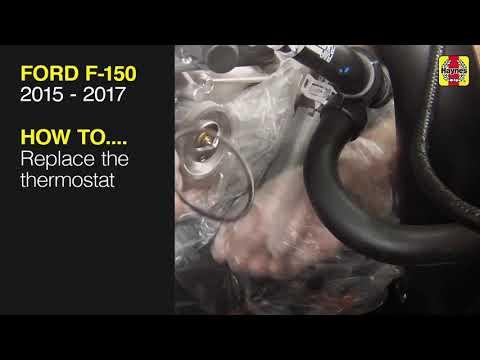
The thermostat controls coolant flow so the engine warms up correctly and stays at the right temperature. On your F-150, the thermostat sits in the coolant outlet housing and is replaced by draining some coolant, swapping the housing gasket/O-ring, and refilling the system. Use care with hot coolant and plastic fittings.
Difficulty Level: Intermediate | Estimated Time: 1.5-3 hours
⚠️ Safety & Precautions
- Let the engine cool completely before opening the coolant system.
- Never remove the degas bottle cap when the engine is hot.
- Coolant is toxic; keep it off skin, paint, and the driveway.
- Disconnect the negative battery cable if you want extra safety near the fan and wiring.
- Keep hands clear of the cooling fan and belts if the engine is tested running.
🔧 Required Tools
You'll need the following tools for this repair:
- 8mm socket
- 10mm socket
- Ratchet
- Short extension
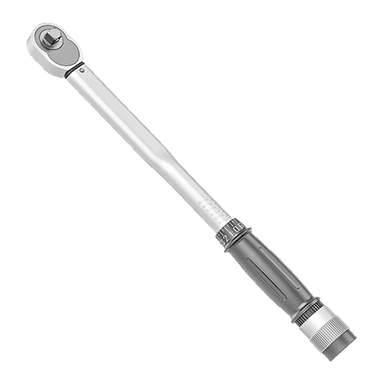
- Torque wrench
- Pliers
- Drain pan
- Funnel
- Flat trim tool
- Shop towels
- Safety glasses
- Nitrile gloves
- Jack stands
- Floor jack (rated 3-ton minimum)
🔩 Required Parts
HowToo sells all the parts you need for this repair:
- Thermostat - Qty: 1
- Thermostat housing gasket or O-ring - Qty: 1
- Engine coolant (Ford-spec orange, concentrated or premix) - Qty: 1-2 gallons
- Coolant hose clamp - Qty: 1, if damaged
📋 Before You Begin
- Park on level ground and set the parking brake.
- Let the engine cool fully before starting.
- Raise the front only if needed for access, and support it with jack stands.
- Have a drain pan ready before opening any coolant hose or housing.
- If equipped, make sure the truck is in Park and the ignition is off.
🔨 Step-by-Step Instructions
Follow these steps in order:
Step 1: Drain enough coolant
- Place the drain pan under the radiator area.
- Open the coolant drain if accessible, or disconnect the lower hose carefully with pliers if needed.
- Drain only enough coolant to get the level below the thermostat housing.
- Work slowly to avoid spills.
Step 2: Remove intake ducting if it blocks access
- Use the 8mm socket and ratchet to remove the air intake duct fasteners.
- Move the duct aside for working room.
- Disconnect any clips or breather tubes by hand.
Step 3: Remove the thermostat housing
- Use the 10mm socket and ratchet with a short extension to remove the thermostat housing bolts.
- Lift the housing straight off.
- Catch any remaining coolant with shop towels.
- Remove the old thermostat and old gasket or O-ring.
Step 4: Clean the sealing surface
- Use a shop towel and a flat trim tool if needed to clean the mating surface.
- Do not gouge the aluminum or plastic surface.
- Make sure the surface is clean and dry before reassembly.
Step 5: Install the new thermostat
- Install the new thermostat in the same direction as the old one.
- Install the new gasket or O-ring.
- Set the housing in place by hand first.
- Use the 10mm socket to start all bolts by hand.
- Torque to 10 Nm (89 in-lbs).
Step 6: Reinstall removed intake parts
- Reinstall the intake duct and clips.
- Use the 8mm socket to tighten the fasteners.
- Make sure all hoses are fully seated.
Step 7: Refill the cooling system
- Use a funnel to refill with the correct engine coolant.
- Fill slowly to reduce air pockets.
- Top off the degas bottle to the proper level.
Step 8: Bleed air and check for leaks
- Start the engine and let it idle with the heater set to hot.
- Watch coolant level and add more as air purges out.
- Inspect the thermostat housing, hoses, and drain area for leaks.
- Watch the temperature gauge closely.
✅ After Repair
- Drive the truck until fully warm and confirm normal temperature.
- Recheck coolant level after the engine cools down.
- Inspect again for leaks the next day.
- If the check engine light was on, clear codes with a scan tool and verify they do not return.
💰 DIY vs Shop Cost
Shop Cost: $300-$650 (parts + labor)
DIY Cost: $60-$160 (parts only)
You Save: $240-$490 by doing it yourself!
Shop labor rates vary but typically run $100-$150/hour. This repair takes a shop approximately 1.5-3 hours.
🎯 Ready to get started?
HowToo makes it easy: same-day/2-day shipping on every part, plus all the tools and specialty tools you need! Check out the parts and tools sections below to add everything to your cart.