







How to Replace the Thermostat on a 2015 Toyota Tacoma
Step-by-step thermostat replacement with tools, parts, torque specs, and cooling system bleed tips for 2006, 2007, 2008, 2009, 2010, 2011, 2012, 2013, 2014, 2015
How to Replace the Thermostat on a 2015 Toyota Tacoma
Step-by-step thermostat replacement with tools, parts, torque specs, and cooling system bleed tips for 2006, 2007, 2008, 2009, 2010, 2011, 2012, 2013, 2014, 2015


🔧 Thermostat - Replacement
The thermostat controls when coolant starts flowing through the radiator. On your Tacoma, a sticking thermostat can cause overheating, poor heater output, or slow warm-up, so replacing it restores proper engine temperature control.
Difficulty Level: Intermediate | Estimated Time: 1.5-2.5 hours
⚠️ Safety & Precautions
- Let the engine cool completely before opening the cooling system. Hot coolant can cause severe burns.
- Keep fingers, tools, and clothing away from the fan and belts if you start the engine during the final check.
- Use the radiator cap slowly and only when the system is cold.
- Dispose of old coolant properly; it is toxic to people and animals.
- No battery disconnect is required for this repair.
🔧 Required Tools
You'll need the following tools for this repair:
- 10mm socket
- Ratchet
- Short extension
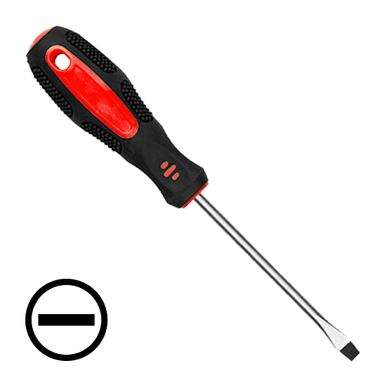
- Flat-blade screwdriver
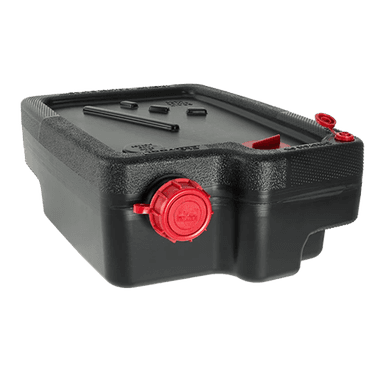
- Drain pan
- Funnel
- Torque wrench
- Hose clamp pliers
- Gasket scraper
- Shop towels
- Safety glasses
- Gloves
- Jack stands
- Floor jack (rated 3-ton minimum)
🔩 Required Parts
HowToo sells all the parts you need for this repair:
- Thermostat - Qty: 1
- Thermostat gasket or O-ring - Qty: 1
- Engine coolant - Qty: 2 gallons
- Distilled water - Qty: 2 gallons
📋 Before You Begin
- Park on level ground and set the parking brake.
- Let the engine cool fully before starting.
- Raise the front of the truck only if needed for drain access, and support it with jack stands.
- Have a clean drain pan ready before opening the radiator drain.
- Assumption: factory-style cooling system with no aftermarket bypass hoses or remote thermostat setup.
🔨 Step-by-Step Instructions
Follow these steps in order:
Step 1: Drain the coolant
- Place the drain pan under the radiator drain cock.
- Use a flat-blade screwdriver to open the drain cock and drain enough coolant to get below the thermostat housing.
- Close the drain cock once the level is low enough.
Step 2: Remove intake ducting and access parts
- Use a 10mm socket and ratchet to remove any intake duct or cover blocking access to the thermostat housing.
- Move hoses or wiring clips aside carefully.
- Label hoses if needed.
Step 3: Remove the thermostat housing
- Use a 10mm socket, ratchet, and short extension to remove the thermostat housing bolts.
- Pull the housing straight off.
- Catch any remaining coolant with shop towels.
Step 4: Remove the old thermostat
- Lift the thermostat out of the engine side opening.
- Remove the old gasket or O-ring from the housing and mating surface.
- Use a gasket scraper only if needed, and keep the surface clean and smooth.
Step 5: Install the new thermostat
- Install the new thermostat in the same orientation as the old one.
- Install the new gasket or O-ring.
- Make sure it seats fully and evenly before reinstalling the housing.
Step 6: Reinstall the housing
- Position the housing squarely over the thermostat.
- Install the bolts by hand first.
- Use a torque wrench and 10mm socket to tighten the housing bolts to 10 N·m (89 in-lbs).
Step 7: Reassemble removed parts
- Reinstall any intake ducting or covers using a 10mm socket.
- Reconnect any hoses or clips you moved aside.
Step 8: Refill and bleed the cooling system
- Mix the correct coolant with distilled water if using concentrate.
- Use a funnel to refill the radiator slowly.
- Fill the overflow reservoir to the proper mark.
- Start the engine with the heater set to hot and fan on low.
- Let the engine reach operating temperature while watching for air bubbles and coolant level drop.
- Add coolant as needed until the level stabilizes.
✅ After Repair
- Check for leaks at the thermostat housing, hoses, and drain cock.
- Verify the heater blows hot air and the temperature gauge stays normal.
- Let the engine cool fully, then recheck the radiator and reservoir level.
- Top off coolant if needed after the first complete heat cycle.
💰 DIY vs Shop Cost
Shop Cost: $250-$450 (parts + labor)
DIY Cost: $35-$90 (parts only)
You Save: $215-$360 by doing it yourself!
Shop labor rates vary but typically run $100-$150/hour. This repair takes a shop approximately 1.5-2.5 hours.
🎯 Ready to get started?
HowToo makes it easy: same-day/2-day shipping on every part, plus all the tools and specialty tools you need! Check out the parts and tools sections below to add everything to your cart.