





How to Replace the Thermostat on a 2015-2023 Ford Mustang (Engine: Inline 4 2.3L)
Step-by-step coolant drain, thermostat install, bleeding, tools, parts, and torque specs for 2015, 2016, 2017, 2018, 2019, 2020, 2021, 2022, 2023
How to Replace the Thermostat on a 2015-2023 Ford Mustang (Engine: Inline 4 2.3L)
Step-by-step coolant drain, thermostat install, bleeding, tools, parts, and torque specs for 2015, 2016, 2017, 2018, 2019, 2020, 2021, 2022, 2023


🔧 Mustang - Thermostat Replacement
Replacing the thermostat on your Mustang involves draining coolant, removing the thermostat housing, replacing the thermostat and seal, then refilling and bleeding the cooling system. The thermostat controls engine warm-up and coolant flow, so a stuck thermostat can cause overheating, slow warm-up, or trouble codes.
Difficulty Level: Intermediate | Estimated Time: 2-3 hours
⚠️ Safety & Precautions
- ⚠️ Never remove the coolant reservoir cap while the engine is hot. Hot coolant can spray out and burn you.
- 🧊 Let your Mustang cool completely before opening the cooling system.
- 🧤 Wear gloves and safety glasses. Coolant is slippery and toxic.
- 🐾 Keep drained coolant away from children and pets.
- 🔋 Battery disconnect is not normally required, but keep tools away from the battery terminals.
🔧 Required Tools
You'll need the following tools for this repair:
- Safety glasses
- Nitrile gloves
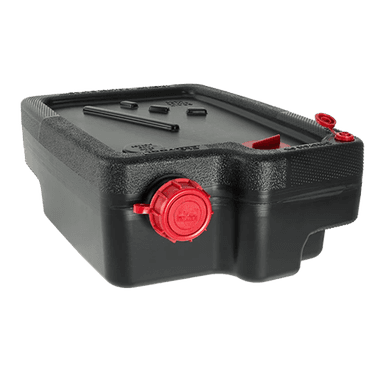
- Drain pan 10-quart minimum
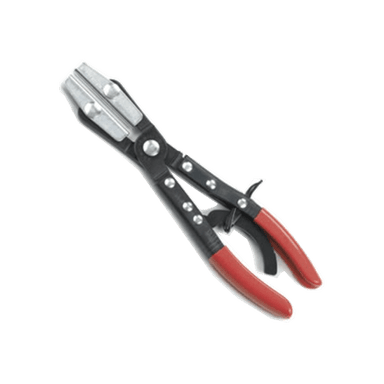
- Hose clamp pliers (specialty)
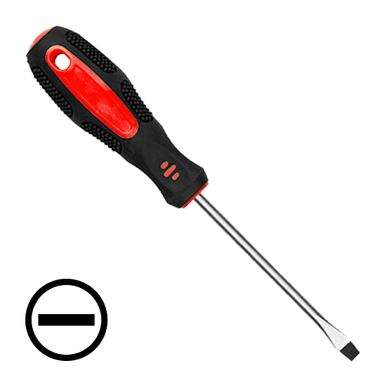
- Flathead screwdriver 6mm tip
- Pick tool 90-degree
- 8mm socket
- 10mm socket
- 13mm socket
- 3/8-inch drive ratchet
- 3/8-inch drive extension 6-inch
- 1/4-inch drive ratchet
- 1/4-inch drive extension 6-inch
- Inch-pound torque wrench 1/4-inch drive
- Foot-pound torque wrench 3/8-inch drive
- Coolant funnel kit
- Plastic scraper
- Shop towels
- Flashlight
🔩 Required Parts
HowToo sells all the parts you need for this repair:
- Engine thermostat - Qty: 1
- Thermostat housing seal - Qty: 1
- Motorcraft Yellow-compatible engine coolant - Qty: 1-2 gallons
- Distilled water - Qty: As needed if using concentrated coolant
📋 Before You Begin
- 🅿️ Park your Mustang on level ground and set the parking brake.
- 🧊 Wait until the engine is fully cool before starting.
- 📸 Take a photo of the thermostat housing area and hose routing before disassembly.
- 🧪 Use coolant that matches Ford specifications for your Mustang. Do not mix incompatible coolant types.
- 📌 The thermostat is located at the engine-side coolant outlet/housing where the radiator hose connects.
🔨 Step-by-Step Instructions
Follow these steps in order:
Step 1: Remove the Coolant Reservoir Cap
- Use safety glasses and nitrile gloves before touching coolant parts.
- Make sure the engine is completely cold.
- Slowly turn the coolant reservoir cap counterclockwise by hand.
- Remove the cap and place it on a clean shop towel.
Step 2: Remove Lower Access Shield if Needed
- Use a flashlight to check whether the lower splash shield blocks access to the drain area.
- Use a trim clip removal tool to remove plastic push clips.
- Use an 8mm socket, 3/8-inch drive ratchet, and 6-inch extension to remove shield screws if equipped.
- Set all fasteners aside in order.
- Tip: Take photos as you go.
Step 3: Drain Coolant Below Thermostat Level
- Place a 10-quart drain pan under the radiator drain area or lower hose area.
- Use hose clamp pliers to move the lower hose clamp back if draining from the hose.
- Use a flathead screwdriver 6mm tip only if a worm-drive clamp has been installed previously.
- Carefully loosen the lower hose enough to drain coolant into the pan.
- Drain enough coolant so the level is below the thermostat housing.
- Push the hose fully back on and reposition the clamp with hose clamp pliers.
Step 4: Remove Intake Ducting for Access
- Use a flathead screwdriver 6mm tip or 8mm socket to loosen the intake duct clamp.
- Use a 10mm socket and 3/8-inch drive ratchet to remove any intake air box or duct fasteners blocking access.
- Lift the ducting out carefully by hand.
- Keep debris out of the open intake path.
Step 5: Disconnect the Radiator Hose at the Thermostat Housing
- Place shop towels below the thermostat housing to catch coolant.
- Use hose clamp pliers to squeeze the spring clamp tabs together.
- Slide the clamp back onto the hose.
- Twist the hose by hand to break it loose.
- If stuck, use a pick tool 90-degree to gently loosen the hose edge.
- Pull the hose off the thermostat housing by hand.
Step 6: Remove the Thermostat Housing Bolts
- Use a flashlight to locate the thermostat housing bolts.
- Use a 10mm socket, 1/4-inch drive ratchet, and 6-inch extension to remove the housing bolts evenly.
- If a support bracket or nearby fastener blocks access, use a 13mm socket and 3/8-inch drive ratchet to remove it.
- Pull the housing away by hand once the bolts are removed.
- Do not pry hard against plastic sealing surfaces.
Step 7: Remove the Old Thermostat and Seal
- Pull the thermostat out by hand.
- Use a pick tool 90-degree to remove the old rubber seal if it sticks in the groove.
- A seal is the rubber ring that prevents coolant from leaking between parts.
- Note the thermostat direction before removing it completely.
Step 8: Clean the Sealing Surface
- Use shop towels to wipe coolant from the housing and engine sealing area.
- Use a plastic scraper to remove old residue gently.
- Do not use a metal scraper on aluminum or plastic sealing surfaces.
- Use a flashlight to check that the seal groove is clean.
Step 9: Install the New Thermostat and Seal
- Install the new thermostat in the same direction as the old one.
- Install the new thermostat housing seal into its groove by hand.
- Make sure the seal sits flat and is not twisted.
- Lightly wet the seal with fresh coolant using a gloved finger.
- Tip: A twisted seal will leak.
Step 10: Reinstall the Thermostat Housing
- Position the thermostat housing squarely against the engine by hand.
- Start all housing bolts by hand first to avoid cross-threading.
- Use a 10mm socket, 1/4-inch drive ratchet, and 6-inch extension to snug the bolts evenly.
- Use an inch-pound torque wrench with a 10mm socket to tighten the housing bolts to 10 Nm (89 in-lbs).
- If a bracket was removed, use a 13mm socket and foot-pound torque wrench to tighten the bracket fastener to 25 Nm (18 ft-lbs).
Step 11: Reconnect the Radiator Hose
- Push the radiator hose fully onto the thermostat housing by hand.
- Use hose clamp pliers to move the spring clamp back to its original position.
- Make sure the clamp sits behind the raised bead on the housing neck.
- If using a worm-drive clamp, use a flathead screwdriver 6mm tip or 8mm socket to tighten it snugly.
- Do not overtighten clamps on plastic fittings.
Step 12: Reinstall Intake Ducting
- Place the intake ducting back into position by hand.
- Use a 10mm socket and 3/8-inch drive ratchet to reinstall any air box or duct fasteners.
- Use a flathead screwdriver 6mm tip or 8mm socket to tighten the intake duct clamp.
- Make sure the duct is fully seated so unfiltered air cannot enter the engine.
Step 13: Refill the Cooling System
- Install the coolant funnel kit into the coolant reservoir.
- Add Motorcraft Yellow-compatible coolant slowly.
- If using concentrated coolant, mix it 50/50 with distilled water before adding it.
- Fill until the coolant reaches the cold-fill mark on the reservoir.
Step 14: Bleed Air from the Cooling System
- Leave the coolant funnel kit installed.
- Start the engine and let it idle.
- Set the heater temperature to full hot and fan speed to low.
- Watch for air bubbles in the funnel.
- Add coolant as the level drops.
- Let the engine reach normal operating temperature and confirm warm air from the vents.
- Turn the engine off and let it cool completely.
Step 15: Final Level Check and Shield Installation
- After the engine cools, check the coolant reservoir level.
- Add coolant to the cold-fill mark if needed.
- Install the reservoir cap by hand until fully seated.
- Use an 8mm socket, 3/8-inch drive ratchet, and 6-inch extension to reinstall lower shield screws.
- Use the trim clip removal tool by hand to align and reinstall plastic push clips.
✅ After Repair
- ✅ Start your Mustang and inspect the thermostat housing and hose connection for leaks.
- 🌡️ Watch the temperature gauge closely during the first drive.
- 🔥 Confirm the cabin heater blows warm air after the engine reaches operating temperature.
- 🧊 After the engine cools completely, recheck the coolant level and top off if needed.
- ♻️ Dispose of used coolant at a proper recycling center or auto parts store that accepts coolant.
💰 DIY vs Shop Cost
Shop Cost: $250-$500 (parts + labor)
DIY Cost: $45-$160 (parts only)
You Save: $205-$340 by doing it yourself!
Shop labor rates vary but typically run $100-$150/hour. This repair takes a shop approximately 1.5-2.5 hours.
🎯 Ready to get started?
HowToo makes it easy: same-day/2-day shipping on every part, plus all the tools and specialty tools you need! Check out the parts and tools sections below to add everything to your cart.