





How to Replace the Tailgate Lock Actuator on a 2012-2013 GMC Sierra 1500
Step-by-step repair guide with tools, parts, torque specs, and safety tips for 2012, 2013
How to Replace the Tailgate Lock Actuator on a 2012-2013 GMC Sierra 1500
Step-by-step repair guide with tools, parts, torque specs, and safety tips for 2012, 2013


🔧 Rear Door Lock Actuator - Replacement
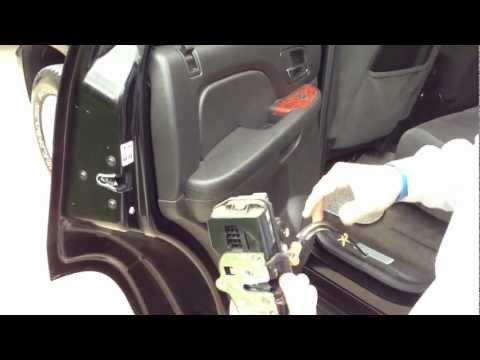
Your Sierra 1500 standard cab does not have a rear passenger door, so there is no rear door lock actuator to replace on this body style. If you mean the tailgate latch/lock actuator, the job involves removing the inner tailgate access panel, disconnecting the latch rods, and replacing the actuator or latch assembly.
Difficulty Level: Beginner to Intermediate | Estimated Time: 30-60 minutes
⚠️ Safety & Precautions
- ⚠️ Support the tailgate securely while working so it cannot drop unexpectedly.
- 🧤 Wear gloves because the inside of the tailgate has sharp sheet-metal edges.
- 🔋 Battery disconnect is recommended if the tailgate lock actuator is powered, to prevent accidental lock operation.
- 💡 Do not bend the latch rods; they must stay properly shaped for the lock to work correctly.
🔧 Required Tools
You'll need the following tools for this repair:
- 10mm socket
- Ratchet handle
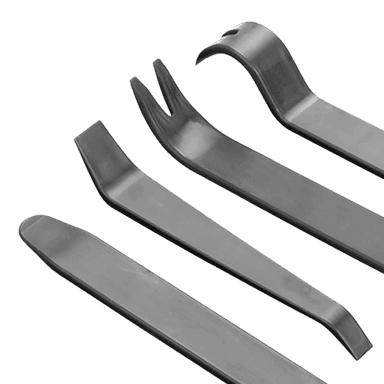
- Trim removal tool
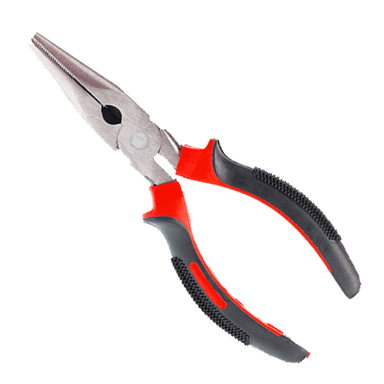
- Needle-nose pliers
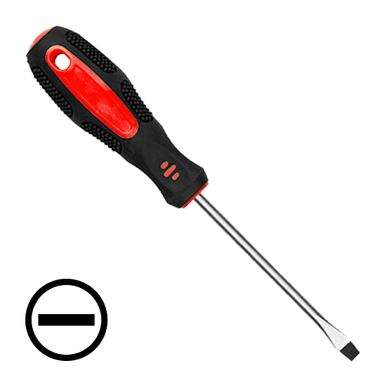
- Flathead screwdriver 1/4-inch
- Torque wrench 1/4-inch drive
- Battery terminal wrench 10mm
- Nitrile gloves
- Safety glasses
🔩 Required Parts
HowToo sells all the parts you need for this repair:
- Tailgate lock actuator or tailgate latch lock assembly - Qty: 1
- Tailgate access panel clips - Qty: As needed
📋 Before You Begin
- 🚗 Park your Sierra 1500 on level ground.
- 🅿️ Shift to Park and set the parking brake.
- 🚪 Open the tailgate fully.
- 🔋 Use a battery terminal wrench 10mm to disconnect the negative battery cable if your tailgate lock uses a powered actuator.
- 📌 A trim removal tool is a plastic pry tool used to lift panels without damaging painted or plastic surfaces.
🔨 Step-by-Step Instructions
Follow these steps in order:
Step 1: Open and Support the Tailgate
- Use your hands to lower the tailgate completely.
- Make sure both tailgate support cables are attached and holding the tailgate level.
- Put on safety glasses and nitrile gloves.
Step 2: Disconnect the Battery
- Use a battery terminal wrench 10mm to loosen the negative battery cable clamp.
- Lift the negative cable off the battery post and move it aside so it cannot spring back.
- This prevents the powered lock from moving while your hands are inside the tailgate.
Step 3: Remove the Tailgate Access Panel
- Use a 10mm socket and ratchet handle to remove the bolts from the inner tailgate access panel.
- If the panel has plastic retainers, use a trim removal tool to gently lift them out.
- Lift the access panel away and set it aside.
- Tip: Keep bolts grouped together.
Step 4: Inspect the Lock Rod Layout
- Use your eyes to study how the rods connect to the actuator or latch.
- Take a photo with your phone before removing anything.
- The rods are small metal linkage arms that transfer movement from the handle or actuator to the latch.
Step 5: Disconnect the Lock Rods
- Use needle-nose pliers to rotate the plastic retaining clips off the rods.
- Use a flathead screwdriver 1/4-inch only if needed to gently help release a stubborn clip.
- Slide the rods out of the clips without bending them.
Step 6: Disconnect the Electrical Connector
- Use your thumb to press the connector locking tab.
- Pull the connector straight off the actuator.
- If the tab is tight, use a flathead screwdriver 1/4-inch to gently lift the tab while pulling the connector.
- Do not pull on the wires.
Step 7: Remove the Old Actuator or Latch Assembly
- Use a 10mm socket and ratchet handle to remove the actuator or latch mounting bolts.
- Support the part with your free hand so it does not fall inside the tailgate.
- Remove the actuator or latch assembly from the tailgate opening.
Step 8: Install the New Actuator or Latch Assembly
- Position the new tailgate lock actuator or tailgate latch lock assembly in the same orientation as the old one.
- Start the mounting bolts by hand to avoid cross-threading.
- Use a 10mm socket and torque wrench 1/4-inch drive to tighten the mounting bolts.
- Torque to 9 Nm (80 in-lbs)
Step 9: Reconnect the Electrical Connector
- Use your hand to push the electrical connector onto the actuator until it clicks.
- Gently tug the connector body to confirm it is locked.
Step 10: Reconnect the Lock Rods
- Use your hands to slide each rod back into its original clip location.
- Use needle-nose pliers to rotate each plastic retaining clip closed over the rod.
- Compare the rod routing to the photo you took earlier.
Step 11: Test Before Closing the Panel
- Use a battery terminal wrench 10mm to reconnect the negative battery cable temporarily.
- Use the key fob or door lock switch to lock and unlock the tailgate if equipped.
- Use your hand to operate the tailgate handle and confirm the latch releases correctly.
- If anything binds, disconnect the battery again and recheck rod placement.
Step 12: Reinstall the Tailgate Access Panel
- Position the access panel over the tailgate opening.
- Use a 10mm socket and ratchet handle to install the access panel bolts.
- Use a torque wrench 1/4-inch drive for final tightening.
- Torque to 3 Nm (27 in-lbs)
- If any clips broke, press in new tailgate access panel clips by hand.
Step 13: Final Battery Connection
- Use a battery terminal wrench 10mm to make sure the negative battery cable is fully seated.
- Tighten the negative cable clamp snugly.
- Torque to 5 Nm (44 in-lbs)
✅ After Repair
- ✅ Lock and unlock the tailgate several times.
- ✅ Open and close the tailgate several times to confirm smooth operation.
- ✅ Make sure the tailgate fully latches on both sides.
- ✅ Listen for clicking, grinding, or weak movement from the new actuator.
- 💡 If the actuator still does not move, check the fuse, wiring at the tailgate, and switch signal before replacing more parts.
💰 DIY vs Shop Cost
Shop Cost: $180-$350 (parts + labor)
DIY Cost: $45-$160 (parts only)
You Save: $135-$190 by doing it yourself!
Shop labor rates vary but typically run $100-$150/hour. This repair takes a shop approximately 0.7-1.2 hours.
🎯 Ready to get started?
HowToo makes it easy: same-day/2-day shipping on every part, plus all the tools and specialty tools you need! Check out the parts and tools sections below to add everything to your cart.