
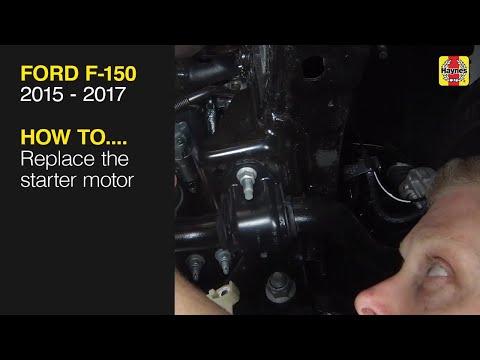





How to Replace the Starter Motor on a 2016 Ford F-150
Step-by-step instructions with tools, parts, torque specs, and safety tips for 2015, 2016, 2017
How to Replace the Starter Motor on a 2016 Ford F-150
Step-by-step instructions with tools, parts, torque specs, and safety tips for 2015, 2016, 2017


🔧 Starter Motor - Replacement
This job replaces the starter motor that cranks the engine. On your F-150, the starter sits low on the engine and access is tight, so plan for some patience and a few extensions.
Difficulty Level: Intermediate | Estimated Time: 2-4 hours
⚠️ Safety & Precautions
- Disconnect the negative battery cable before starting. The starter cable is always hot.
- Support the truck securely on jack stands before working underneath it.
- Let the engine cool completely before reaching near the exhaust and turbo area.
- Keep the key/fob away from the vehicle so it cannot crank unexpectedly.
- If the truck has an aftermarket remote start, disable it first.
🔧 Required Tools
You'll need the following tools for this repair:
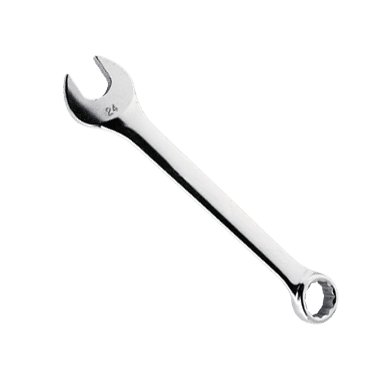
- 10mm wrench
- 13mm socket
- 15mm socket
- 3/8-inch ratchet
- 3/8-inch extension set
- 3/8-inch swivel socket adapter
- Torque wrench
- Flat-blade screwdriver
- Jack stands
- Floor jack (rated 3-ton minimum)
- Safety glasses
- Mechanic gloves
- Battery terminal puller (specialty)
🔩 Required Parts
HowToo sells all the parts you need for this repair:
- Starter motor - Qty: 1
- Starter mounting bolts - Qty: 2
- Battery terminal clamp hardware - Qty: 1
📋 Before You Begin
- Park on level ground and set the parking brake.
- Turn the ignition off and remove the key/fob from the vehicle.
- Disconnect the negative battery cable first using a 10mm wrench.
- Raise the front of the truck only if needed for access, then support it on jack stands.
- Take a photo of every cable before removal.
🔨 Step-by-Step Instructions
Follow these steps in order:
Step 1: Disconnect the battery
- Use a 10mm wrench to remove the negative battery cable from the battery.
- Move the cable aside so it cannot touch the terminal.
- Wait 2 minutes before touching starter wiring.
Step 2: Gain access to the starter
- Raise the front of the truck with a floor jack (rated 3-ton minimum) if needed.
- Support it with jack stands.
- Remove any lower splash shield or access cover using a 15mm socket or 13mm socket, depending on the fastener style.
Step 3: Remove the starter electrical connections
- Locate the starter and identify the main battery cable and the smaller control wire.
- Use a 13mm socket to remove the nut on the main cable.
- Use a flat-blade screwdriver or small pick to release any connector lock on the small wire.
- Remove both wires and keep them clear of metal parts.
Step 4: Remove the starter bolts
- Use a 15mm socket, extension set, and swivel socket adapter to remove the starter mounting bolts.
- Support the starter with one hand as you remove the last bolt.
- Lower the starter out of the vehicle.
- Expect a little wiggle room, not much.
Step 5: Install the new starter
- Position the new starter in place by hand.
- Start both mounting bolts by hand first to avoid cross-threading.
- Use a 15mm socket to snug the bolts.
- Torque to 40 Nm (30 ft-lbs).
Step 6: Reconnect the wiring
- Reconnect the small control wire first.
- Install the main battery cable using a 13mm socket.
- Torque to 12 Nm (106 in-lbs).
- Make sure both connections are tight and fully seated.
Step 7: Reinstall covers and lower the truck
- Reinstall any splash shield or access cover using the 13mm socket or 15mm socket.
- Lower the truck carefully off the jack stands.
- Reconnect the negative battery cable with a 10mm wrench.
- Torque to 5 Nm (44 in-lbs) if using a torque wrench on the terminal clamp.
✅ After Repair
- Start the engine and listen for a smooth crank.
- Check that the starter disengages immediately after the engine starts.
- Inspect the starter area for loose wires or rubbing.
- If it still clicks or no-cranks, test the battery and charging system next.
💰 DIY vs Shop Cost
Shop Cost: $550-$950 (parts + labor)
DIY Cost: $180-$350 (parts only)
You Save: $300-$600 by doing it yourself!
Shop labor rates vary but typically run $100-$150/hour. This repair takes a shop approximately 2-4 hours.
🎯 Ready to get started?
HowToo makes it easy: same-day/2-day shipping on every part, plus all the tools and specialty tools you need! Check out the parts and tools sections below to add everything to your cart.