





How to Replace the Starter Motor on a 2012-2023 Jeep Wrangler (Engine: V6 3.6L)
Step-by-step DIY guide with tools, parts, torque specs, and safety tips for 2012, 2013, 2014, 2015, 2016, 2017, 2020, 2021, 2022, 2023
How to Replace the Starter Motor on a 2012-2023 Jeep Wrangler (Engine: V6 3.6L)
Step-by-step DIY guide with tools, parts, torque specs, and safety tips for 2012, 2013, 2014, 2015, 2016, 2017, 2020, 2021, 2022, 2023


🔧 Wrangler - Starter Motor Replacement
Replacing the starter motor on your Wrangler involves disconnecting the battery, accessing the starter from underneath, removing the electrical connections, and unbolting the starter from the transmission/bellhousing area.
The starter motor turns the engine over when you turn the key. If it clicks, cranks slowly, or does nothing with a good battery, replacement may be needed.
Difficulty Level: Intermediate | Estimated Time: 1.5-2.5 hours
⚠️ Safety & Precautions
- ⚠️ Disconnect the negative battery cable first to prevent sparks or accidental cranking.
- ⚠️ Let the exhaust cool completely before working underneath; the starter sits near hot exhaust components.
- ⚠️ Support your Wrangler securely with jack stands if you raise it. Never rely on a floor jack alone.
- ⚠️ Wear safety glasses because dirt and rust can fall while working underneath.
- ⚠️ Keep the transmission in neutral only when needed for positioning; otherwise leave it in gear with the parking brake fully engaged.
🔧 Required Tools
You'll need the following tools for this repair:
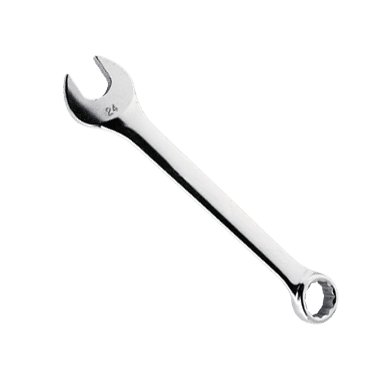
- 10mm wrench
- 13mm socket
- 15mm socket
- 3/8-inch ratchet
- 3/8-inch extension set
- 3/8-inch universal joint adapter
- Torque wrench rated 10-100 ft-lbs
- Flat-blade screwdriver
- Trim clip removal tool
- Floor jack rated 3-ton minimum
- Jack stands rated 3-ton minimum
- Wheel chocks
- Mechanic gloves
- Safety glasses
- Work light
🔩 Required Parts
HowToo sells all the parts you need for this repair:
- Starter motor - Qty: 1
- Dielectric grease - Qty: 1
📋 Before You Begin
- 🅿️ Park your Wrangler on level ground and fully apply the parking brake.
- 🧱 Place wheel chocks behind the rear wheels before lifting the front.
- 🔋 Open the hood and disconnect the negative battery cable using a 10mm wrench.
- 🛠️ A universal joint adapter lets a socket work at an angle. This helps reach the upper starter bolt.
- 💡 Use a bright work light. The starter is mounted low on the passenger side near the engine and transmission connection.
🔨 Step-by-Step Instructions
Follow these steps in order:
Step 1: Disconnect Battery Power
- Use a 10mm wrench to loosen the negative battery terminal clamp.
- Lift the negative cable off the battery post and move it aside so it cannot spring back.
- Always disconnect negative first.
Step 2: Raise and Support the Front
- Place wheel chocks behind the rear wheels.
- Use a floor jack rated 3-ton minimum to lift the front of your Wrangler high enough for safe access.
- Set the frame securely on jack stands rated 3-ton minimum.
- Gently shake the vehicle by hand to confirm it is stable before crawling underneath.
Step 3: Locate the Starter
- Put on safety glasses and mechanic gloves.
- Use a work light to look on the passenger side where the engine meets the transmission.
- The starter is a small cylindrical electric motor bolted to the bellhousing. The bellhousing is the round transmission case area behind the engine.
Step 4: Remove Any Splash Shield or Access Cover if Equipped
- If a plastic splash shield blocks access, use a trim clip removal tool to remove plastic retainers.
- If bolts are installed, use a 13mm socket and 3/8-inch ratchet to remove them.
- Set the shield and fasteners aside in order.
Step 5: Label and Disconnect Starter Wiring
- Use a flat-blade screwdriver to gently release the small starter solenoid connector locking tab.
- Pull the small connector straight off the starter solenoid. The solenoid is the smaller cylinder attached to the starter.
- Use a 13mm socket and 3/8-inch ratchet to remove the nut holding the large battery cable to the starter.
- Move the large cable aside so it cannot touch metal.
- Do not pull on wires.
Step 6: Support the Starter by Hand
- Hold the starter with one hand before removing the mounting bolts. It is heavier than it looks.
- Use a 15mm socket, 3/8-inch extension set, and 3/8-inch ratchet to loosen the lower starter mounting bolt.
- Leave the lower bolt threaded in a few turns while you loosen the upper bolt.
Step 7: Remove the Starter Mounting Bolts
- Use a 15mm socket, 3/8-inch extension set, and 3/8-inch universal joint adapter to reach the upper starter mounting bolt.
- Remove the upper bolt completely.
- Remove the lower bolt while supporting the starter with your free hand.
- Lower the starter out carefully.
Step 8: Compare the Old and New Starter
- Place both starters side by side on the ground.
- Confirm the mounting ears, electrical terminals, and gear nose match.
- Use a clean mechanic glove to wipe dirt from the mounting surface on the transmission.
- Matching shape prevents install problems.
Step 9: Install the New Starter
- Lift the new starter into position by hand.
- Start both mounting bolts by hand first to avoid cross-threading.
- Use a 15mm socket, 3/8-inch extension set, and 3/8-inch ratchet to snug both bolts evenly.
- Use a torque wrench rated 10-100 ft-lbs with a 15mm socket to tighten the starter mounting bolts to Torque to 54 Nm (40 ft-lbs).
Step 10: Reconnect Starter Wiring
- Apply a small amount of dielectric grease to the electrical connector seal area. Dielectric grease helps keep moisture out of electrical connections.
- Push the small solenoid connector onto the starter until it clicks.
- Place the large battery cable onto the starter terminal.
- Use a 13mm socket and torque wrench rated 10-100 ft-lbs to tighten the battery cable nut to Torque to 12 Nm (106 in-lbs).
- Make sure the cable is not touching the exhaust or any moving parts.
Step 11: Reinstall Splash Shield if Removed
- Position the splash shield back in place.
- Use a trim clip removal tool to reinstall plastic retainers by hand.
- If bolts were removed, use a 13mm socket and 3/8-inch ratchet to snug them securely.
Step 12: Lower the Vehicle
- Use the floor jack rated 3-ton minimum to slightly lift the front off the jack stands.
- Remove the jack stands rated 3-ton minimum.
- Lower your Wrangler slowly to the ground.
Step 13: Reconnect the Battery
- Place the negative battery cable back onto the negative battery post.
- Use a 10mm wrench to tighten the terminal clamp snugly.
- Do not over-tighten the battery terminal because it can crack.
✅ After Repair
- ✅ Start your Wrangler and listen for a clean, strong crank.
- ✅ If it only clicks, recheck the battery terminals and the large cable at the starter.
- ✅ If it does not crank, recheck the small solenoid connector for a full click-lock connection.
- ✅ Look underneath with a work light to confirm the starter wiring is clear of exhaust and moving parts.
- ✅ Take a short test drive, then restart the engine once more to confirm hot-start operation.
💰 DIY vs Shop Cost
Shop Cost: $450-$750 (parts + labor)
DIY Cost: $180-$350 (parts only)
You Save: $270-$400 by doing it yourself!
Shop labor rates vary but typically run $100-$150/hour. This repair takes a shop approximately 1.0-1.5 hours.
🎯 Ready to get started?
HowToo makes it easy: same-day/2-day shipping on every part, plus all the tools and specialty tools you need! Check out the parts and tools sections below to add everything to your cart.