






How to Replace the Serpentine Belt on a 2018-2023 Chevrolet Traverse (Engine: V6 3.6L)
Step-by-step DIY instructions with required tools, belt routing, safety tips, and wheel torque specs for 2018, 2019, 2020, 2021, 2022, 2023
How to Replace the Serpentine Belt on a 2018-2023 Chevrolet Traverse (Engine: V6 3.6L)
Step-by-step DIY instructions with required tools, belt routing, safety tips, and wheel torque specs for 2018, 2019, 2020, 2021, 2022, 2023


🔧 Traverse - Serpentine Belt Replacement
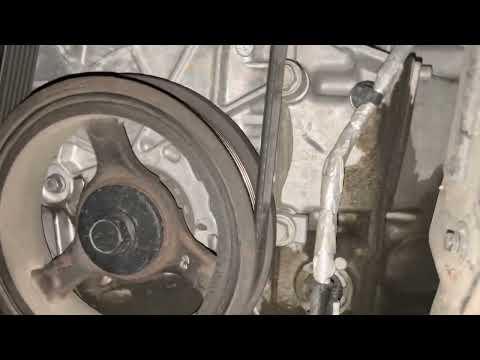
This is a manageable first DIY job. The easiest route is through the passenger-front wheel well, where you can reach the automatic tensioner and feed the belt around the pulleys.
Difficulty Level: Beginner to Intermediate | Estimated Time: 1-2 hours
Assumption: These instructions cover replacement of the main accessory-drive belt with the original tensioner and pulleys retained.
⚠️ Safety & Precautions
- ⚠️ Work only with the engine completely cool and the ignition off.
- ⚠️ Never place any part of your body under a vehicle supported only by a jack.
- ⚠️ Keep fingers clear of the spring-loaded tensioner and belt pinch points.
- ⚠️ Release the tensioner slowly. Letting it snap back can damage it.
- ⚠️ Do not loosen the center bolt on the tensioner pulley.
- ⚠️ Battery disconnection is not normally required for this repair.
🔧 Required Tools
You'll need the following tools for this repair:
- 1/2-inch drive breaker bar
- 1/2-inch drive 3-inch extension
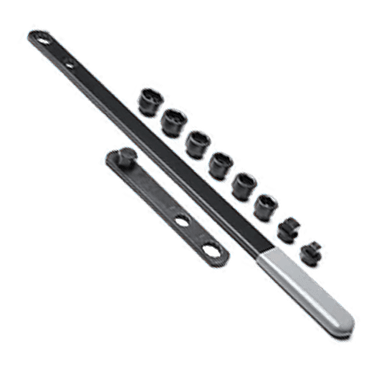
- 1/2-inch drive serpentine belt tool (specialty)
- 7mm socket
- 10mm socket
- 22mm lug-nut socket
- 1/2-inch drive ratchet
- Trim-clip removal tool
- Torque wrench rated to 190 Nm minimum
- Floor jack rated 3-ton minimum
- Jack stands rated 3-ton minimum
- Wheel chocks
- Work light
- Mechanic gloves
- Safety glasses
A serpentine belt tool is a long, thin handle that reaches a tensioner where a normal ratchet may not fit.
🔩 Required Parts
HowToo sells all the parts you need for this repair:
- Main accessory-drive serpentine belt - Qty: 1
- Replacement splash-shield clips - Qty: As needed
The matching belt aisle is open in the parts sidebar. Current belt options run approximately $8.64-$33.05.
Replace the tensioner or idler pulley only if it feels rough, loose, noisy, weak, or crooked during inspection. Parts cannons belong at the arcade, not under the hood.
📋 Before You Begin
- 📋 Park your Traverse on firm, level ground.
- 📋 Shift into Park, apply the parking brake, and switch off the ignition.
- 📋 Chock both sides of the driver-rear tire.
- 📋 Open the hood and locate the factory belt-routing diagram, if fitted.
- 📋 Take several clear pictures of the original belt routing before removing it.
- 📋 Compare the new and old belts before installation. Their rib count and effective length should match.
- 📋 No infotainment service mode, scan tool, coding, or battery registration is required.
🔨 Step-by-Step Instructions
Follow these steps in order:
Step 1: Loosen the passenger-front wheel
- Use the 22mm lug-nut socket and 1/2-inch drive breaker bar to loosen each lug nut approximately one-quarter turn.
- Do not remove the lug nuts while the tire is supporting the vehicle.
Step 2: Raise and support the vehicle
- Use the 3-ton floor jack at the approved front lifting point.
- Position a 3-ton jack stand beneath the approved support point, then lower the vehicle securely onto it.
- Give the vehicle a gentle stability check before working beside or beneath it.
Step 3: Remove the passenger-front wheel
- Use the 22mm lug-nut socket and 1/2-inch drive ratchet to remove the loosened lug nuts.
- Remove the wheel and place it flat outside your working area.
Step 4: Open the wheel-well access area
- Use the 7mm socket and 10mm socket to remove the screws securing the forward and lower portions of the wheel-well liner.
- Use the trim-clip removal tool to remove the plastic push clips without tearing the liner.
- Move the liner aside far enough to expose the belt, crankshaft pulley, and tensioner.
- Keep each fastener organized by location because clip and screw styles may differ.
Step 5: Record the belt routing
- Use the work light to inspect the complete routing.
- Compare the belt path with the under-hood diagram and your photographs.
- Remember that the ribbed belt surface runs in grooved pulleys. The smooth belt surface runs across smooth pulleys.
- Routing photos prevent expensive guessing later.
Step 6: Release the belt tension
- Insert the 1/2-inch drive breaker bar, with the 1/2-inch drive 3-inch extension if needed, into the tensioner's square-drive opening.
- If clearance is limited, use the 1/2-inch drive serpentine belt tool.
- Rotate the tensioner only in the direction that moves it away from the belt. Do not force it against its stop.
- Hold the tensioner securely and slip the belt off an easy-to-reach smooth pulley.
- Slowly return the tensioner to its resting position. Chevrolet service information warns against using an unsuitable tool or allowing the loaded tensioner to snap back. static.nhtsa.gov
Step 7: Remove the old belt
- Use your hands and the work light to guide the belt off each pulley.
- Pull the belt out through the passenger-side wheel-well opening.
- Do not pry the belt off with a screwdriver because that can damage a pulley or nearby wiring.
Step 8: Inspect the belt-drive components
- Wear mechanic gloves and rotate each accessible idler and tensioner pulley by hand.
- Check for grinding, scraping, side-to-side looseness, or visible wobble.
- Move the tensioner through its normal range using the 1/2-inch drive breaker bar. It should move smoothly and return firmly.
- Inspect every pulley groove for stones, old rubber, oil, or coolant.
- Do not install a new belt over a seized or misaligned pulley. GM diagnostic guidance calls for checking the pulleys for free rotation with the belt removed. charm.li
Step 9: Route the new belt
- Feed the new belt into the engine compartment through the wheel-well opening.
- Route it around the crankshaft and accessory pulleys according to your photographs and the factory diagram.
- Leave one easy-to-reach smooth pulley for last.
- Use the work light to confirm that every rib is centered in its matching pulley groove.
Step 10: Install the belt over the final pulley
- Use the 1/2-inch drive breaker bar or 1/2-inch drive serpentine belt tool to rotate the tensioner again.
- Slide the belt over the final smooth pulley without placing your fingers between the belt and pulley.
- Slowly release the tensioner until it applies full tension to the belt.
- Remove the tool from the tensioner.
Step 11: Verify the installation
- Use the work light to inspect every pulley from several angles.
- Confirm that no belt rib is riding on a pulley edge.
- Check the routing one final time against your original picture.
- If the belt appears unusually loose or will not reach the last pulley, stop and correct the routing. Do not force it.
Step 12: Reinstall the wheel-well liner
- Position the liner and reinstall its push clips using your hands.
- Use the 7mm socket, 10mm socket, and 1/2-inch drive ratchet to reinstall the original screws and bolts snugly.
- Do not overtighten plastic-mounted fasteners.
Step 13: Reinstall the wheel
- Place the wheel onto the hub and start every lug nut by hand.
- Use the 22mm lug-nut socket and 1/2-inch drive ratchet to snug the nuts in a crisscross pattern.
- Use the 3-ton floor jack to raise the vehicle, remove the jack stand, and lower the tire onto the ground.
- Use the torque wrench and 22mm lug-nut socket to tighten the nuts in a crisscross pattern: Torque to 190 Nm (140 ft-lbs). This is Chevrolet's published original-equipment wheel-nut specification for your Traverse. chevrolet.com)
✅ After Repair
- ✅ Remove every tool from the engine compartment and wheel well.
- ✅ Start the engine and observe the belt from a safe distance for 20-30 seconds.
- ✅ Switch the air conditioning on and watch for belt wandering, flapping, squealing, or tensioner bouncing.
- ✅ Shut the engine off immediately if the belt walks toward a pulley edge.
- ✅ After the engine stops, perform one final visual check that all ribs remain seated.
- ✅ Recheck the wheel-lug torque after approximately 80-160 km of driving.
💰 DIY vs Shop Cost
Shop Cost: $150-$300 USD (parts + labor)
DIY Cost: $9-$34 USD for the belt, excluding tools
You Save: Approximately $115-$290 USD by doing it yourself!
Regional labor prices vary. This repair generally takes a shop approximately 0.7-1.2 hours.
🎯 Ready to get started?
HowToo makes it easy: same-day/2-day shipping on every part, plus all the tools and specialty tools you need! Check out the parts and tools sections below to add everything to your cart.