

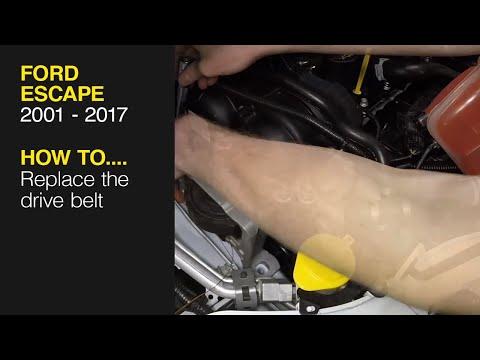




How to Replace the Serpentine Belt on a 2017 Ford Escape (Engine: Inline 4 2.0L)
Step-by-step DIY guide with required tools, belt routing tips, safety checks, and cost savings for 2017
How to Replace the Serpentine Belt on a 2017 Ford Escape (Engine: Inline 4 2.0L)
Step-by-step DIY guide with required tools, belt routing tips, safety checks, and cost savings for 2017


🔧 Escape - Serpentine Belt Replacement
Replacing the serpentine belt on your Escape means removing the old accessory drive belt and installing a new one around the crankshaft, alternator, A/C compressor, and tensioner pulleys. The belt drives important accessories, so replace it if it is cracked, glazed, squealing, or frayed.
Difficulty Level: Beginner | Estimated Time: 0.5-1.0 hours
⚠️ Safety & Precautions
- ⚠️ Work only with the engine completely off and cool.
- ⚠️ Keep fingers, clothing, and tools away from pulleys and the belt path.
- ⚠️ Disconnect the negative battery cable before working near the belt drive to prevent accidental starting.
- ⚠️ Support the hood securely before leaning over the engine bay.
- ⚠️ Do not pry against plastic pulleys or aluminum brackets.
🔧 Required Tools
You'll need the following tools for this repair:
- 8mm socket
- 10mm socket
- 3/8-inch drive ratchet
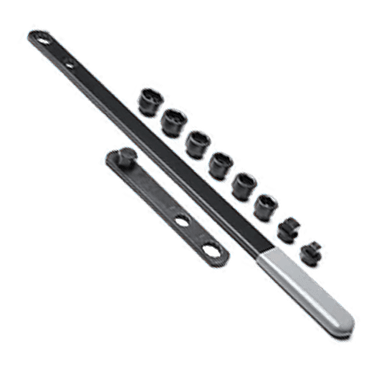
- 3/8-inch drive serpentine belt tool (specialty)
- 15mm socket
- Flat-blade screwdriver
- Flashlight
- Fender cover
- Mechanic gloves
- Safety glasses
🔩 Required Parts
HowToo sells all the parts you need for this repair:
- Serpentine belt - Qty: 1
📋 Before You Begin
- Park your Escape on level ground, shift to Park, and set the parking brake.
- Open the hood and let the engine cool fully.
- Take a clear photo of the belt routing before removal. This helps you compare the new belt path.
- Disconnect the negative battery cable using a 10mm socket.
- A serpentine belt tool is a long, thin wrench that gives you extra reach and leverage to move the spring-loaded belt tensioner.
- The belt tensioner is the pulley arm that keeps the belt tight automatically.
🔨 Step-by-Step Instructions
Follow these steps in order:
Step 1: Remove the Engine Appearance Cover
- Put on safety glasses and mechanic gloves.
- Use a fender cover to protect the paint while you lean over the engine bay.
- Lift the engine appearance cover straight up by hand if equipped.
- If any small fasteners are installed, remove them with an 8mm socket.
- Take photos before removing parts.
Step 2: Locate the Belt and Tensioner
- Use a flashlight to look down the passenger side of the engine bay.
- Find the serpentine belt wrapped around the front engine pulleys.
- Locate the spring-loaded tensioner pulley. It will move when you rotate the tensioner arm with the belt tool.
- Compare what you see with your belt-routing photo before removing anything.
Step 3: Relieve Belt Tension
- Install a 15mm socket on the 3/8-inch drive serpentine belt tool.
- Place the socket on the tensioner bolt head.
- Slowly rotate the tensioner to release belt tension.
- Hold the tensioner steady. The spring is strong, so keep a firm grip.
- Do not let the tensioner snap back. Ease it back slowly when finished.
Step 4: Remove the Old Belt
- While holding the tensioner released with the 3/8-inch drive serpentine belt tool, slide the belt off the easiest smooth pulley.
- Once the belt is off one pulley, slowly release the tensioner.
- Remove the belt from the remaining pulleys by hand.
- Use a flat-blade screwdriver only if needed to gently guide the belt free. Do not pry hard.
- Never force the belt off.
Step 5: Inspect the Pulleys
- Use a flashlight to inspect each pulley groove.
- Spin the accessible idler and tensioner pulleys by hand.
- They should spin smoothly without grinding, wobbling, or rough spots.
- If a pulley is noisy or loose, replace it before installing the new belt.
- Check for oil or coolant leaks near the belt area. Fluid on the belt can cause slipping and early failure.
Step 6: Route the New Belt
- Install the new serpentine belt by hand around the lower and grooved pulleys first.
- Make sure the ribs of the belt sit fully inside the pulley grooves.
- Leave one easy-to-reach smooth pulley for last.
- Use your belt-routing photo to confirm the path before applying tension.
- Ribbed side goes on grooved pulleys.
Step 7: Slip the Belt Over the Final Pulley
- Install the 15mm socket on the 3/8-inch drive serpentine belt tool again.
- Rotate the tensioner to release tension.
- Slide the belt over the final pulley by hand.
- Slowly release the tensioner until it tightens the belt.
- Check every pulley again with a flashlight. The belt must be centered and fully seated.
Step 8: Reinstall Removed Items
- Reinstall the engine appearance cover by pressing it straight down by hand.
- If fasteners were removed, reinstall them with an 8mm socket.
- Reconnect the negative battery cable using a 10mm socket.
- Torque battery terminal nut to 5 Nm (44 in-lbs).
Step 9: Start and Check Belt Operation
- Start the engine and watch the belt from a safe distance.
- Use a flashlight to confirm the belt runs straight with no wobble.
- Listen for squealing, chirping, or slapping sounds.
- Shut the engine off immediately if the belt walks off a pulley or makes loud noise.
✅ After Repair
- Let the engine idle for 1-2 minutes and confirm the belt tracks smoothly.
- Turn the A/C on and off to make sure the belt remains quiet under load.
- After a short drive, shut the engine off and recheck belt alignment with a flashlight.
- If the new belt squeals, recheck routing and inspect the tensioner and pulleys.
💰 DIY vs Shop Cost
Shop Cost: $140-$260 (parts + labor)
DIY Cost: $25-$60 (parts only)
You Save: $115-$200 by doing it yourself!
Shop labor rates vary but typically run $100-$150/hour. This repair takes a shop approximately 0.5-1.0 hours.
🎯 Ready to get started?
HowToo makes it easy: same-day/2-day shipping on every part, plus all the tools and specialty tools you need! Check out the parts and tools sections below to add everything to your cart.