







How to Replace the Serpentine Belt on a 2015 Chevrolet Equinox
Step-by-step instructions with tools, routing tips, safety checks, and belt installation guidance for 2010, 2011, 2012, 2013, 2014, 2015, 2016, 2017
How to Replace the Serpentine Belt on a 2015 Chevrolet Equinox
Step-by-step instructions with tools, routing tips, safety checks, and belt installation guidance for 2010, 2011, 2012, 2013, 2014, 2015, 2016, 2017


🔧 Serpentine Belt - Replacement
The serpentine belt drives key accessories like the alternator, A/C compressor, and power steering pump. On your Equinox, belt replacement is straightforward, but proper belt routing and tensioner control are critical to avoid damage or squeal.
Difficulty Level: Beginner | Estimated Time: 0.5-1 hours
⚠️ Safety & Precautions
- Work with the engine completely off and fully cooled down.
- Keep hands, clothing, and tools clear of the belt path while rotating the tensioner.
- Do not start the engine until the belt is fully seated in every pulley groove.
- No battery disconnect is required for this repair.
- Use care around the cooling fan area and sharp belt shields.
🔧 Required Tools
You'll need the following tools for this repair:
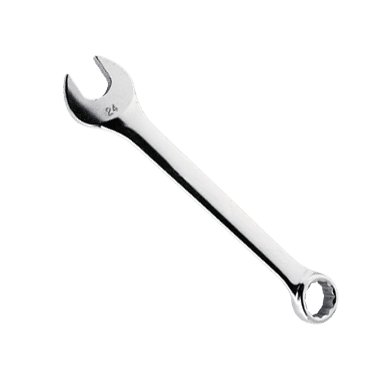
- 15mm wrench
- Breaker bar
- Ratchet
- Jack stands
- Floor jack (rated 3-ton minimum)
- Safety glasses
- Mechanic gloves
- Flashlight
🔩 Required Parts
HowToo sells all the parts you need for this repair:
- Serpentine belt - Qty: 1
📋 Before You Begin
- Park on level ground and set the parking brake.
- Let the engine cool fully before reaching near the belt drive.
- If you raise the vehicle, support it securely with jack stands before going underneath.
🔨 Step-by-Step Instructions
Follow these steps in order:
Step 1: Locate the belt routing
- Open the hood and look at the belt routing diagram on the radiator support or underside of the hood.
- If the diagram is missing, take a clear photo of the current belt path before removal.
Step 2: Access the tensioner
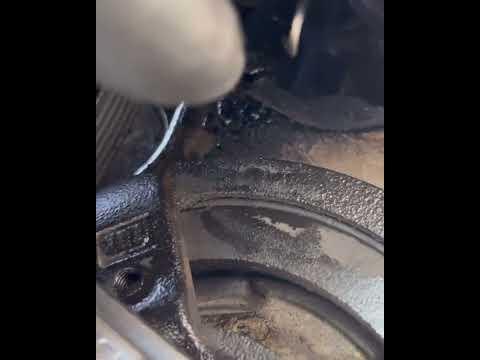
- Use a 15mm wrench or breaker bar on the belt tensioner bolt.
- Rotate the tensioner to release belt tension. A breaker bar gives better leverage.
Step 3: Remove the old belt
- Slide the belt off one accessible pulley while holding the tensioner released with the 15mm wrench or breaker bar.
- Slowly let the tensioner return to its resting position.
- Remove the belt from the remaining pulleys by hand.
Step 4: Inspect the pulleys
- Use a flashlight to check every pulley for cracks, wobble, rust, or rough movement.
- Spin each accessible pulley by hand. Replace any pulley that feels rough or noisy before installing the new belt.
Step 5: Install the new belt
- Route the new belt around all pulleys except the easiest final pulley to reach.
- Use the 15mm wrench or breaker bar to rotate the tensioner again.
- Slip the belt onto the last pulley and make sure every rib is seated in every groove.
- Double-check the routing before releasing tension.
Step 6: Verify alignment
- Inspect the belt from above and below if needed.
- Make sure the belt is centered on each pulley and not riding on a flange edge.
- Release the tensioner slowly with the 15mm wrench or breaker bar.
Step 7: Start and test
- Start the engine and watch the belt for a few seconds.
- Listen for squeal, chirping, or pulley wobble.
- Shut the engine off immediately if the belt is misrouted or walking off a pulley.
✅ After Repair
- Recheck belt tracking after a short test drive.
- Look for any fresh cracks, fraying, or shiny glaze on the new belt.
- Confirm charging system operation and listen for abnormal accessory noise.
💰 DIY vs Shop Cost
Shop Cost: $150-$300 (parts + labor)
DIY Cost: $35-$80 (parts only)
You Save: $115-$220 by doing it yourself!
Shop labor rates vary but typically run $100-$150/hour. This repair takes a shop approximately 0.5-1 hours.
🎯 Ready to get started?
HowToo makes it easy: same-day/2-day shipping on every part, plus all the tools and specialty tools you need! Check out the parts and tools sections below to add everything to your cart.