

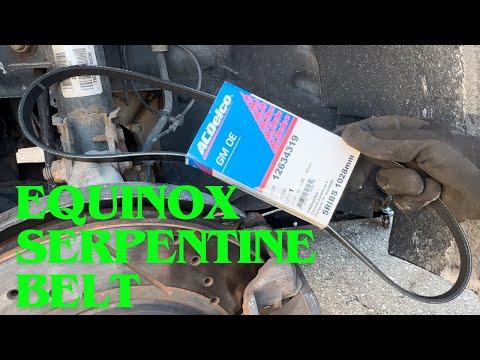





How to Replace the Serpentine Belt on a 2014 Chevrolet Equinox
Step-by-step DIY serpentine belt replacement with tools, parts list, safety tips, and cost savings breakdown for 2010, 2011, 2012
How to Replace the Serpentine Belt on a 2014 Chevrolet Equinox
Step-by-step DIY serpentine belt replacement with tools, parts list, safety tips, and cost savings breakdown for 2010, 2011, 2012


🔧 Equinox - Serpentine Belt Replacement
The serpentine belt on your Equinox drives the alternator, power steering, A/C compressor, and water pump. When it wears or cracks, you should replace it before it breaks and leaves you stranded.
Difficulty Level: Beginner | Estimated Time: 1-1.5 hours
⚠️ Safety & Precautions
- ⚠️ Always work with the engine completely off and the key removed from the ignition.
- ⚠️ Never put your fingers between the belt and pulleys while moving the tensioner.
- ⚠️ Let the engine bay cool down if the vehicle has been running. Hot parts can burn you.
- ⚠️ Do not start the engine until all tools are out of the engine bay.
- ⚠️ Battery disconnect is not required, but you can remove the negative cable with a 10mm wrench if you want extra safety.
🔧 Required Tools
You'll need the following tools for this repair:
- 🛠️ 3/8" drive ratchet
- 🛠️ 1/2" drive breaker bar
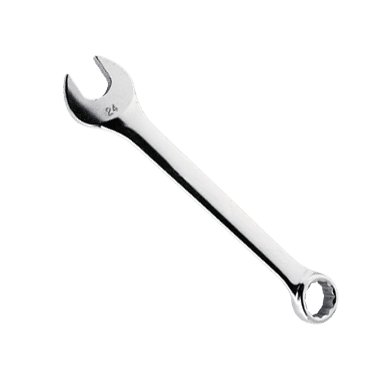
- 🛠️ 15mm combination wrench
- 🛠️ 15mm socket (3/8" or 1/2" drive)
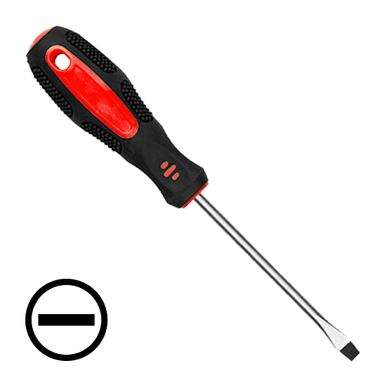
- 🛠️ Flathead screwdriver (medium)
- 🛠️ Serpentine belt tool kit (long-handle) (specialty)
- 🛠️ Work light or flashlight
- 🛠️ Mechanic gloves
- 🛠️ Safety glasses
- 🛠️ Fender cover or old towel
🔩 Required Parts
HowToo sells all the parts you need for this repair:
- 🔩 Serpentine drive belt (accessory drive belt) - Qty: 1
- 🔩 Belt tensioner assembly - Qty: 1 (optional but recommended if original)
- 🔩 Idler pulley - Qty: 1 (optional but recommended if noisy or worn)
- 🔩 Dielectric grease or light silicone spray - Qty: 1 (for pulley noise diagnosis only, not required)
📋 Before You Begin
- Park the Equinox on level ground, put the transmission in Park, and set the parking brake.
- Open the hood and secure it with the hood prop rod.
- Locate the belt routing diagram sticker, usually on the radiator support or underside of the hood. If it’s missing, plan to take a clear photo of the belt routing before removal.
- If you choose to disconnect the battery: use a 10mm wrench to remove the negative (-) terminal and tuck it aside so it cannot spring back.
🔨 Step-by-Step Instructions
Follow these steps in order:
Step 1: Remove engine cover for better access
- The plastic engine cover simply lifts off; it is held by rubber grommets.
- Grab it firmly at the front corners and pull straight up to pop it loose.
- If it feels stuck, use a flathead screwdriver to gently pry near the grommets while pulling upward. Don’t force or crack the cover
Step 2: Identify the belt path and components
- Use your work light to look down the front of the engine (passenger side of the bay).
- Identify the following:
- Main crankshaft pulley (largest pulley at bottom).
- Alternator pulley (upper front, with electrical wiring going to it).
- A/C compressor pulley (lower front, connected to A/C lines).
- Power steering / accessory pulleys.
- Belt tensioner (spring-loaded arm with a pulley, usually near the middle).
- Idler pulley (smooth pulley used to guide the belt).
- Take a clear photo of the belt routing from above and from the side. Photos are your backup diagram
Step 3: Locate the belt tensioner and tool engagement point
- Use the work light and find the tensioner arm and its pulley.
- On this engine, the tensioner usually has a 15mm bolt head at the center of the tensioner pulley where your tool will go.
- Some tensioners also have a square hole that fits a 3/8" drive ratchet for leverage. If you see that, you can use it instead of the 15mm bolt head.
- Only rotate the tensioner; do not remove its mounting bolts
Step 4: Relieve belt tension
- Place the 15mm socket on the center bolt of the tensioner pulley and attach the 1/2" breaker bar or serpentine belt tool for extra length.
- Rotate the tensioner in the direction that makes the belt loosen. Typically this means pulling the handle towards the front of the car or upwards; you will feel the spring resist you.
- Before you move it far, practice a short movement so you know the direction it wants to go.
- Keep fingers clear of all pulleys while moving the tensioner
Step 5: Slide the belt off one pulley
- With one hand holding the breaker bar or serpentine belt tool to keep the tensioner rotated, use your other hand to slip the belt off the easiest upper pulley (usually the alternator or idler pulley).
- Once the belt is off that one pulley, slowly let the tensioner return to its rest position by easing the tool back.
- Do not release the tensioner suddenly; that can damage the tensioner or your tools.
Step 6: Remove the old belt completely
- Now that the belt is off one pulley, you can pull it out from the remaining pulleys by hand.
- Note how it snakes around grooved and smooth pulleys as you remove it.
- Lay the old belt flat on the ground or a clean surface for comparison.
Step 7: Compare old belt to new belt
- Place the new serpentine belt next to the old one.
- Make sure:
- The length is the same (ends line up or are extremely close).
- The number of ribs (grooves) on the inside matches.
- Width is the same.
- If there is a big difference in length or rib count, do not install it; you may have the wrong belt.
Step 8: Pre-route the new belt on lower pulleys
- Use your work light and start routing the new belt around the lower pulleys (crankshaft pulley and A/C compressor) as shown in your photo or the diagram.
- Make sure the belt ribs sit fully inside the grooves on each grooved pulley.
- On smooth pulleys, the flat back of the belt should contact the pulley, not the ribbed side.
- Do not worry about the last upper pulley yet; leave one easy pulley for last
Step 9: Route the belt around upper pulleys
- Continue routing the belt over/under the alternator pulley, idler pulley, and any other accessory pulleys as per the diagram.
- Double-check that:
- The belt is centered on each pulley.
- The ribbed side is only on ribbed pulleys.
- The back/flat side is only on smooth pulleys.
- Leave one easy-to-reach upper pulley (usually the idler or alternator) as the last one to slip the belt onto.
Step 10: Use the tensioner to finish installing the belt
- Put the 15mm socket and breaker bar or serpentine belt tool back on the tensioner bolt.
- Rotate the tensioner again in the same direction as before to create slack.
- With the belt already on all other pulleys, slip the belt over the last pulley’s edge.
- Once it is on fully, slowly let the tensioner return to its normal position and remove your tool.
Step 11: Carefully inspect belt alignment
- Use your work light to look at every pulley from as many angles as you can see.
- Check:
- No ribs are hanging off the edge of a pulley.
- The belt sits straight, not twisted.
- The routing matches the diagram or your photo exactly.
- Spin an accessible smooth pulley by hand to ensure the belt moves with it and doesn’t walk sideways.
Step 12: Reinstall engine cover
- Line up the engine cover with its rubber grommets.
- Press down firmly above each grommet until you feel it snap into place.
Step 13: Reconnect battery if you disconnected it
- Place the negative cable back on the battery post.
- Tighten the nut with a 10mm wrench until it is snug. Do not overtighten.
✅ After Repair
- Start the engine and let it idle while you watch the belt from the side and top.
- Confirm:
- The belt runs smoothly with no wobble.
- There are no squealing or chirping noises.
- The belt stays centered on all pulleys.
- Turn on the A/C, headlights, and turn the steering wheel slowly to load the system; the belt should still run quietly.
- Shut the engine off and recheck belt alignment once more.
💰 DIY vs Shop Cost
Shop Cost: $200-$320 (parts + labor)
DIY Cost: $35-$90 (parts only)
You Save: $110-$285 by doing it yourself!
Shop labor rates vary but typically run $100-$150/hour. This repair takes a shop approximately 0.7-1.0 hours.
🎯 Ready to get started?
HowToo makes it easy: same-day/2-day shipping on every part, plus all the tools and specialty tools you need! Check out the parts and tools sections above to add everything to your cart.