







How to Replace the Serpentine Belt on a 2013 Jeep Wrangler (Step-by-Step)
Tools, belt routing tips, tensioner release steps, safety checks, and post-install inspection for 2012, 2013, 2014, 2015, 2016, 2017
How to Replace the Serpentine Belt on a 2013 Jeep Wrangler (Step-by-Step)
Tools, belt routing tips, tensioner release steps, safety checks, and post-install inspection for 2012, 2013, 2014, 2015, 2016, 2017


🔧 Wrangler - Serpentine Belt Replacement
The serpentine belt on your Wrangler drives key accessories like the alternator, power steering pump, and A/C compressor. Replacing it is mostly about safely relieving the spring-loaded belt tensioner, slipping the old belt off, and routing the new belt correctly.
Difficulty Level: Intermediate | Estimated Time: 0.5-1.0 hours
⚠️ Safety & Precautions
- ⚠️ Work on a cold engine; hot pulleys/belt can burn you.
- ⚠️ Keep fingers/tools clear of the tensioner and pulleys; the tensioner is spring-loaded and snaps back.
- ⚠️ Do not start the engine with hands or tools near the belt path.
- ⚠️ If you must reach near the cooling fan, keep the key out of the ignition so the engine can’t be started.
🔧 Required Tools
You'll need the following tools for this repair:
- 15mm socket
- 3/8" drive ratchet
- 3/8" drive breaker bar (18"-24")
- 3" 3/8" drive extension
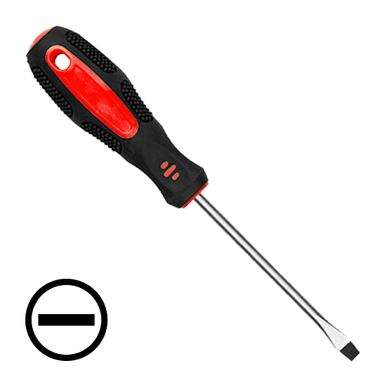
- Flat-blade screwdriver
- Work light
- Mechanic’s gloves
- Safety glasses
🔩 Required Parts
HowToo sells all the parts you need for this repair:
- Serpentine belt (with A/C) - Qty: 1
- Serpentine belt (without A/C) - Qty: 1
- Belt tensioner assembly - Qty: 1 (optional, if noisy/weak)
- Idler pulley - Qty: 1 (optional, if noisy/rough)
📋 Before You Begin
- Park on level ground, transmission in neutral, and set the parking brake.
- Open the hood and locate the belt routing diagram (usually on the upper radiator support/under-hood label). If it’s missing, take a clear photo of the belt routing before removal.
- Pro tip: Sketch the routing on paper first.
🔨 Step-by-Step Instructions
Follow these steps in order:
Step 1: Create working room (if needed)
- Use a flat-blade screwdriver to loosen the intake tube hose clamp(s) if they block access to the belt/tensioner.
- Use your hands to lift the intake tube slightly aside (do not force or crack plastic).
- Use a work light to clearly see the tensioner and belt routing.
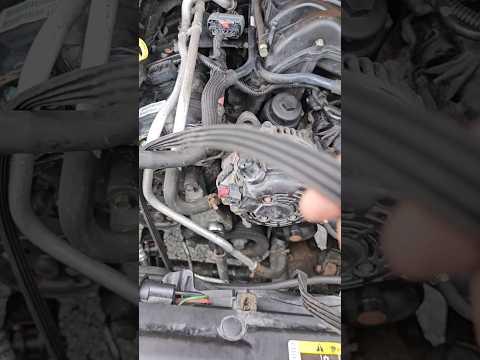
Step 2: Locate the belt tensioner
- Find the belt tensioner (a spring-loaded arm with a smooth pulley). It keeps the belt tight automatically.
- Identify the 15mm hex on the tensioner arm/pivot used to rotate it.
Step 3: Relieve belt tension
- Install a 15mm socket on a 3/8" breaker bar (use a 3" extension if it helps your angle).
- Place the socket on the tensioner hex and rotate the tensioner to relieve tension.
- Hold the tensioner in the released position. With your free hand, slide the belt off the easiest-to-reach upper pulley (commonly the alternator pulley).
- Slowly let the tensioner return to rest. Don’t let it snap back.
Step 4: Remove the old belt
- Pull the belt out of the remaining pulleys by hand.
- Use a work light to inspect the old belt for cracks, missing ribs, or glazing (shiny spots). This confirms replacement was needed.
Step 5: Inspect pulleys and tensioner before installing the new belt
- Spin each pulley by hand (alternator, idlers, tensioner pulley). They should spin smoothly and quietly.
- Wiggle each pulley by hand; there should be no looseness.
- If you feel grinding/roughness or hear squealing, plan to replace the noisy pulley or the tensioner assembly.
Step 6: Route the new belt
- Route the new belt around the pulleys following the under-hood routing diagram (or your photo).
- Make sure the belt ribs sit fully inside the grooved pulleys and the belt sits centered on smooth pulleys.
- Leave the belt off one easy upper pulley for last (again, commonly the alternator pulley).
Step 7: Apply tension and seat the belt
- Use the 15mm socket and 3/8" breaker bar to rotate the tensioner and create slack.
- Slip the belt onto the last pulley.
- Slowly release the tensioner so it applies tension to the belt.
- Use the work light to double-check every pulley: the belt must be fully seated and aligned.
Step 8: Reinstall anything you moved
- Reposition the intake tube if you moved it.
- Use the flat-blade screwdriver to snug the hose clamp(s).
- Do a final visual sweep for any tools left in the engine bay.
✅ After Repair
- Start the engine and let it idle for 20–30 seconds while you watch the belt track on the pulleys (from a safe distance).
- Listen for chirping/squealing. If you hear noise, shut it off and re-check belt seating and routing.
- Turn on the A/C (if equipped) and confirm normal operation with no belt noise.
- Recheck belt alignment one more time after a short test drive.
💰 DIY vs Shop Cost
Shop Cost: $150-$300 (parts + labor)
DIY Cost: $35-$90 (parts only)
You Save: $115-$210 by doing it yourself!
Shop labor rates vary but typically run $100-$150/hour. This repair takes a shop approximately 0.5-1.0 hours.
🎯 Ready to get started?
HowToo makes it easy: same-day/2-day shipping on every part, plus all the tools and specialty tools you need! Check out the parts and tools sections below to add everything to your cart.