





How to Replace the Serpentine Belt on a 2013-2020 Ford Fusion Energi (Engine: Inline 4 2.0L)
Step-by-step hybrid-safe guide with required tools, belt routing tips, and DIY cost for 2013, 2014, 2015, 2016, 2017, 2018, 2019, 2020
How to Replace the Serpentine Belt on a 2013-2020 Ford Fusion Energi (Engine: Inline 4 2.0L)
Step-by-step hybrid-safe guide with required tools, belt routing tips, and DIY cost for 2013, 2014, 2015, 2016, 2017, 2018, 2019, 2020


🔧 Fusion - Serpentine Belt Replacement
The serpentine belt drives the engine accessories, such as the alternator-side accessory drive components and water pump-related belt system on your Fusion. On the Energi plug-in hybrid, access is tighter than a standard gasoline-only Fusion, and hybrid safety precautions matter because the vehicle can start the engine automatically.
Difficulty Level: Intermediate | Estimated Time: 1.0-1.5 hours
⚠️ Safety & Precautions
- ⚠️ Your Fusion is a plug-in hybrid. Make sure the vehicle is fully OFF, not in Ready mode, before working near the belt.
- ⚠️ Keep the key fob at least 15 feet away so the engine cannot wake up unexpectedly.
- ⚠️ Do not touch orange high-voltage cables or high-voltage components.
- ⚠️ Disconnect the 12-volt battery negative terminal before working near the belt. This helps prevent an unexpected engine start.
- ⚠️ Let the engine cool completely before reaching into the belt area.
- ⚠️ Support the vehicle only with jack stands. Never rely on a floor jack by itself.
🔧 Required Tools
You'll need the following tools for this repair:
- 10mm socket
- 8mm socket
- 7mm socket
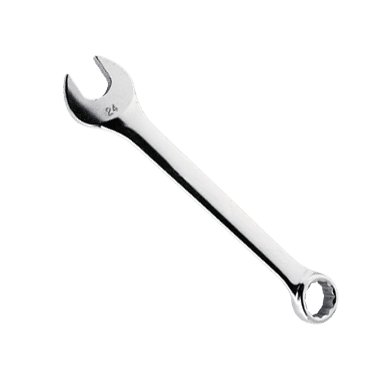
- 15mm wrench
- 3/8-inch drive ratchet
- 3/8-inch drive extension
- Serpentine belt tool (specialty)
- Flat trim clip remover
- Floor jack (rated 2-ton minimum)
- Jack stands (rated 2-ton minimum)
- Wheel chocks
- Safety glasses
- Mechanic gloves
- Flashlight
🔩 Required Parts
HowToo sells all the parts you need for this repair:
- Serpentine belt - Qty: 1
📋 Before You Begin
- Park your Fusion on level ground.
- Shift to Park and set the parking brake.
- Turn the vehicle fully OFF and remove the key fob from the work area.
- Open the hood and allow the engine to cool.
- Disconnect the 12-volt battery negative terminal using a 10mm socket.
- A serpentine belt tool is a long, thin wrench used to move the belt tensioner in tight spaces.
- The belt tensioner is a spring-loaded pulley that keeps the belt tight.
🔨 Step-by-Step Instructions
Follow these steps in order:
Step 1: Raise the Front Passenger Side
- Place wheel chocks behind the rear wheels.
- Use the floor jack at the correct front jacking point to raise the passenger side of your Fusion.
- Place a jack stand under the approved support point.
- Gently lower the vehicle onto the jack stand.
- Shake gently to confirm stability.
Step 2: Remove the Lower Splash Shield Access
- Put on safety glasses and mechanic gloves.
- Use a 7mm socket or 8mm socket to remove the lower splash shield fasteners near the passenger-side belt area.
- Use a flat trim clip remover to release any plastic push clips.
- Move the shield aside enough to see the crank pulley and belt path.
Step 3: Note the Belt Routing
- Use a flashlight to inspect how the belt wraps around each pulley.
- Look for a belt routing decal under the hood or near the radiator support.
- If no decal is visible, take a clear photo with your phone before removing the belt.
- A photo prevents routing mistakes.
Step 4: Release Belt Tension
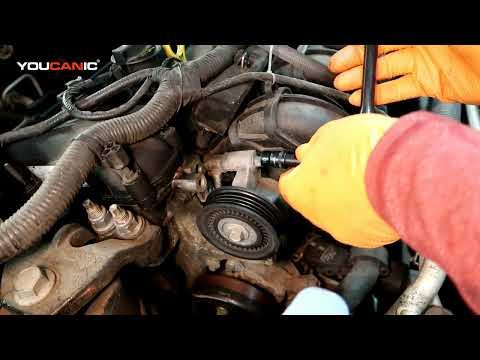
- Place the serpentine belt tool or 15mm wrench on the belt tensioner hex.
- Rotate the tensioner slowly to relieve belt tension.
- While holding the tensioner back, slide the belt off the easiest smooth pulley first.
- Slowly release the tensioner back to its resting position.
- Do not let the tensioner snap back.
Step 5: Remove the Old Belt
- Use your hands to pull the old belt out from around the pulleys.
- Use the flashlight to check for cracks, glazing, missing ribs, or oil contamination.
- If the old belt is shredded, inspect every pulley groove for trapped belt pieces.
Step 6: Inspect the Pulleys and Tensioner
- Spin each accessible pulley by hand.
- Listen for grinding, squeaking, or rough movement.
- Check that the tensioner moves smoothly using the serpentine belt tool or 15mm wrench.
- If a pulley is loose, noisy, or wobbly, replace that part before installing the new belt.
Step 7: Install the New Belt
- Route the new serpentine belt around the pulleys using your photo or the routing decal.
- Make sure the ribbed side of the belt sits in ribbed pulleys.
- Make sure the smooth side of the belt rides on smooth pulleys.
- Leave the easiest smooth pulley for last.
- Use the serpentine belt tool or 15mm wrench to rotate the tensioner again.
- Slip the belt over the final pulley.
- Slowly release the tensioner until it tightens the belt.
Step 8: Verify Belt Alignment
- Use the flashlight to inspect every pulley.
- Confirm the belt ribs are fully seated in each pulley groove.
- Make sure the belt is not hanging off the edge of any pulley.
- If it is misaligned, use the serpentine belt tool or 15mm wrench to relieve tension and reposition it.
Step 9: Reinstall the Splash Shield
- Move the lower splash shield back into position.
- Install the plastic clips by hand.
- Use the 7mm socket or 8mm socket to reinstall the fasteners.
- Tighten the small splash shield fasteners snug only. Do not overtighten plastic fasteners.
Step 10: Lower the Vehicle
- Use the floor jack to lift the vehicle slightly off the jack stand.
- Remove the jack stand.
- Lower your Fusion slowly to the ground.
Step 11: Reconnect the 12-Volt Battery
- Reconnect the 12-volt battery negative terminal.
- Use the 10mm socket to tighten the terminal clamp snugly.
- Do not overtighten the battery terminal.
✅ After Repair
- Start your Fusion and let the engine run when it commands on.
- Watch the belt from a safe distance. Keep hands, hair, and clothing away from moving parts.
- Listen for squealing, chirping, or slapping sounds.
- Turn the vehicle OFF and recheck belt alignment with a flashlight.
- If the battery was disconnected, some auto-up window or clock settings may need to relearn or reset.
- After a short drive, recheck the belt area for proper tracking.
💰 DIY vs Shop Cost
Shop Cost: $180-$320 (parts + labor)
DIY Cost: $25-$70 (parts only)
You Save: $110-$295 by doing it yourself!
Shop labor rates vary but typically run $100-$150/hour. This repair takes a shop approximately 0.8-1.2 hours.
🎯 Ready to get started?
HowToo makes it easy: same-day/2-day shipping on every part, plus all the tools and specialty tools you need! Check out the parts and tools sections below to add everything to your cart.