






How to Replace the Serpentine Belt on a 2012 Toyota Tacoma
Step-by-step DIY guide with belt routing tips, tools, safety checks, and cost savings for 2005, 2006, 2007, 2008, 2009, 2010, 2011, 2012, 2013, 2014, 2015, 2016, 2017, 2018, 2019, 2020, 2021, 2022, 2023
How to Replace the Serpentine Belt on a 2012 Toyota Tacoma
Step-by-step DIY guide with belt routing tips, tools, safety checks, and cost savings for 2005, 2006, 2007, 2008, 2009, 2010, 2011, 2012, 2013, 2014, 2015, 2016, 2017, 2018, 2019, 2020, 2021, 2022, 2023


🔧 Tacoma - Serpentine Belt Replacement
The serpentine belt drives important accessories on your Tacoma, such as the alternator, water pump, and A/C compressor. Replacing it is a good beginner-friendly repair if the belt is cracked, squealing, glazed, or worn.
Difficulty Level: Beginner | Estimated Time: 30-60 minutes
⚠️ Safety & Precautions
- ⚠️ Work only with the engine completely off and cool.
- ⚠️ Keep fingers, sleeves, and tools away from pulleys and the fan area.
- ⚠️ Do not start the engine until the belt is fully seated on every pulley.
- ⚠️ Disconnecting the battery is recommended for first-time DIYers to prevent accidental starting.
🔧 Required Tools
You'll need the following tools for this repair:
- 10mm wrench
- 12mm socket
- 14mm socket
- 3/8-inch drive ratchet
- 6-inch socket extension
- Breaker bar 3/8-inch drive
- Belt routing diagram camera or phone
- Work gloves
- Safety glasses
- Flashlight
🔩 Required Parts
HowToo sells all the parts you need for this repair:
- Serpentine belt - Qty: 1
📋 Before You Begin
- Park your Tacoma on level ground and shift the transmission into Park.
- Set the parking brake and let the engine cool completely.
- Open the hood and locate the belt routing sticker near the radiator support or underside of the hood.
- Take a clear photo of the old belt routing before removal. This is your backup map.
- A pulley is a grooved wheel the belt rides on. The smooth side of the belt rides on smooth pulleys, and the ribbed side rides on grooved pulleys.
🔨 Step-by-Step Instructions
Follow these steps in order:
Step 1: Disconnect the Negative Battery Cable
- Use a 10mm wrench to loosen the negative battery terminal clamp.
- Move the cable away from the battery post so it cannot spring back and touch.
- Black cable means negative.
Step 2: Locate the Belt Tensioner
- Use a flashlight to look at the front of the engine.
- The belt tensioner is the spring-loaded arm that keeps the belt tight.
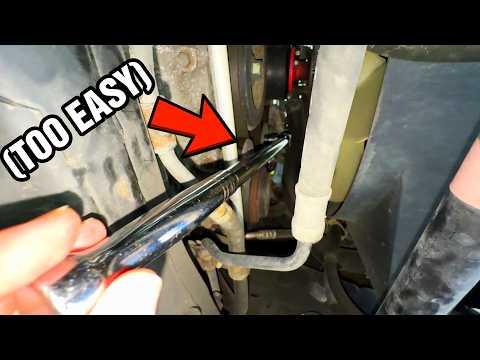
- On your Tacoma, place the tool on the tensioner bolt head to rotate the tensioner and release belt tension.
Step 3: Release Belt Tension
- Fit the 14mm socket onto the belt tensioner bolt.
- Attach the 3/8-inch drive ratchet or breaker bar 3/8-inch drive.
- Rotate the tensioner slowly to relieve belt tension.
- While holding the tensioner released, slide the belt off the easiest smooth pulley first.
- Slowly let the tensioner return to its resting position.
- Move slowly. The spring is strong.
Step 4: Remove the Old Belt
- Use your hands with work gloves to pull the belt off the remaining pulleys.
- If space is tight, use the 6-inch socket extension with your hand to gently guide the belt out. Do not pry hard.
- Compare the old belt to the new serpentine belt. The length and rib count should match.
Step 5: Inspect the Pulleys
- Use your hand to spin each accessible pulley.
- Each pulley should turn smoothly without grinding, wobbling, or rough spots.
- Use the flashlight to check for oil or coolant on the pulleys. Fluid contamination can ruin a new belt.
- If a pulley is noisy, loose, or leaking nearby, fix that issue before installing the new belt.
Step 6: Route the New Belt
- Use your belt routing photo or under-hood diagram as the guide.
- Install the new serpentine belt around the crankshaft pulley first. This is the large lower pulley.
- Route the belt around the remaining pulleys, leaving the easiest smooth pulley for last.
- Make sure the ribbed belt side sits fully inside the grooved pulleys.
- One groove off will shred the belt.
Step 7: Slip the Belt Over the Final Pulley
- Use the 14mm socket and 3/8-inch drive ratchet or breaker bar 3/8-inch drive to rotate the tensioner again.
- Slide the belt over the final pulley by hand while holding the tensioner released.
- Slowly release the tensioner until it tightens the belt.
- Do not let the tensioner snap back.
Step 8: Verify Belt Alignment
- Use the flashlight to inspect every pulley.
- Confirm the belt is centered and fully seated in all pulley grooves.
- Use your routing photo to confirm the belt path is correct.
- No torque spec applies to the belt itself because the spring tensioner sets the belt tension automatically.
Step 9: Reconnect the Battery
- Place the negative battery cable back on the negative battery post.
- Use the 10mm wrench to tighten the clamp snugly.
- Do not overtighten the clamp; it only needs to be secure and unable to twist by hand.
✅ After Repair
- Start your Tacoma and let it idle for 30-60 seconds.
- Watch the belt from a safe distance. It should run smoothly with no wobble, squeal, or jumping.
- Turn the A/C on and check again for smooth belt operation.
- Shut the engine off and recheck that the belt is still seated correctly on every pulley.
- If the belt squeals, shut the engine off immediately and recheck belt routing and pulley condition.
💰 DIY vs Shop Cost
Shop Cost: $120-$220 (parts + labor)
DIY Cost: $25-$60 (parts only)
You Save: $95-$160 by doing it yourself!
Shop labor rates vary but typically run $100-$150/hour. This repair takes a shop approximately 0.5-1.0 hours.
🎯 Ready to get started?
HowToo makes it easy: same-day/2-day shipping on every part, plus all the tools and specialty tools you need! Check out the parts and tools sections below to add everything to your cart.