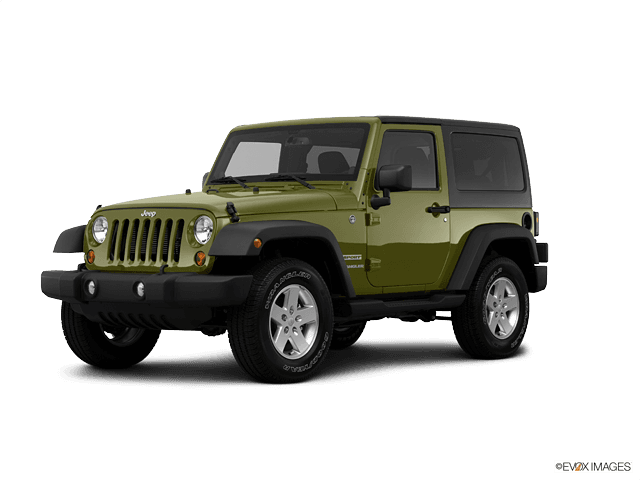







How to Replace the Serpentine Belt on a 2012-2018 Jeep Wrangler (Engine: V6 3.6L)
Step-by-step DIY guide with belt routing, tools, safety tips, and cost savings for 2012, 2013, 2014, 2015, 2016, 2017, 2018
How to Replace the Serpentine Belt on a 2012-2018 Jeep Wrangler (Engine: V6 3.6L)
Step-by-step DIY guide with belt routing, tools, safety tips, and cost savings for 2012, 2013, 2014, 2015, 2016, 2017, 2018


🔧 Wrangler - Serpentine Belt Replacement
The serpentine belt drives important accessories on your Wrangler, including the alternator, power steering pump, water pump, and A/C compressor. Replacing it means releasing the spring-loaded belt tensioner, removing the old belt, routing the new belt correctly, and checking that it sits fully in every pulley groove.
Difficulty Level: Beginner | Estimated Time: 0.5-1 hour
⚠️ Safety & Precautions
- ⚠️ Work only with the engine completely off and cool.
- ⚠️ Keep fingers, clothing, and tools away from the belt path and pulleys.
- ⚠️ The belt tensioner is spring-loaded. Move it slowly and keep a firm grip on your tool.
- ⚠️ Disconnect the negative battery cable if you want extra protection against accidental starting.
- ⚠️ Do not run the engine if the belt is not fully seated in every pulley groove.
🔧 Required Tools
You'll need the following tools for this repair:
- 1/2-inch drive breaker bar
- 15mm socket
- 3/8-inch drive ratchet
- 10mm socket
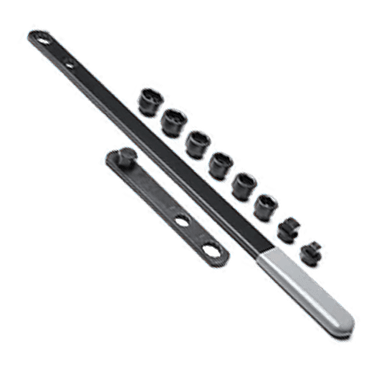
- Serpentine belt tool (specialty)
- Flathead screwdriver
- Work light
- Safety glasses
- Mechanic gloves
🔩 Required Parts
HowToo sells all the parts you need for this repair:
- Serpentine belt - Qty: 1
📋 Before You Begin
- Park your Wrangler on level ground.
- Shift the manual transmission into neutral, then set the parking brake firmly.
- Turn the ignition off and remove the key.
- Let the engine cool before reaching near the belt area.
- Take a clear photo of the belt routing before removal. This helps if the under-hood belt diagram is missing or hard to read.
- The belt tensioner is the spring-loaded arm that keeps the belt tight automatically.
🔨 Step-by-Step Instructions
Follow these steps in order:
Step 1: Open the Hood and Locate the Belt
- Use the hood release inside your Wrangler, then lift and secure the hood.
- Use a work light to look at the front of the engine.
- The serpentine belt is the long ribbed belt wrapped around several pulleys.
- Find the belt routing decal under the hood or near the radiator support.
- Take a photo first.
Step 2: Remove the Engine Cover if Needed
- If the top engine cover limits access, pull it upward by hand to release it from its rubber mounts.
- If an intake resonator or small cover blocks your hand access, use a 10mm socket and 3/8-inch drive ratchet to remove the retaining bolts.
- Set removed hardware in a small cup so nothing gets lost.
Step 3: Inspect the Old Belt Routing
- Use the work light to follow the belt around each pulley.
- Confirm the ribbed side of the belt runs on grooved pulleys.
- Confirm the smooth side of the belt runs on smooth pulleys.
- Compare what you see to the belt routing decal or your photo.
Step 4: Release Belt Tension
- Place the 15mm socket on the bolt head at the belt tensioner pulley.
- Attach the 1/2-inch drive breaker bar or serpentine belt tool to the socket.
- A breaker bar is a long handle that gives extra leverage without using engine power.
- Rotate the tensioner clockwise to loosen the belt.
- Hold the tensioner steady while you slide the belt off the easiest upper pulley.
- Slowly let the tensioner return to its resting position.
- Never let it snap back.
Step 5: Remove the Old Belt
- Use your hands to pull the old belt off the remaining pulleys.
- If the belt catches on a lip or bracket, use a flathead screwdriver gently to guide it free.
- Do not pry against plastic pulleys or electrical connectors.
- Remove the belt from the engine bay.
Step 6: Compare the Old and New Belt
- Lay the old serpentine belt and new serpentine belt side by side.
- Confirm the new belt has the same rib count and nearly the same length.
- A slightly shorter new belt is normal because the old belt may have stretched.
- Do not install the new belt if the rib count is different.
Step 7: Inspect the Pulleys
- Use your hand to spin the smooth idler pulleys and tensioner pulley.
- An idler pulley is a free-spinning guide pulley that helps route the belt.
- Listen for grinding, squeaking, or rough movement.
- Check that each pulley spins straight without wobbling.
- If a pulley feels rough or loose, replace it before installing the new belt.
Step 8: Route the New Belt
- Use your routing photo or the under-hood diagram.
- Install the new belt around the lower pulleys first.
- Leave the easiest smooth upper pulley for last.
- Make sure the ribbed side of the belt sits fully in the grooved pulleys.
- Use your fingers to feel that the belt is centered in each groove.
Step 9: Reapply Tension and Seat the Belt
- Use the 15mm socket with the 1/2-inch drive breaker bar or serpentine belt tool on the tensioner pulley bolt.
- Rotate the tensioner clockwise again.
- Slide the belt over the final pulley.
- Slowly release the tensioner until it tightens the belt.
- Remove the tool carefully.
Step 10: Verify Belt Alignment
- Use the work light to inspect every pulley.
- Make sure the belt is not hanging off the edge of any pulley.
- Make sure all belt ribs are seated in all pulley grooves.
- If the belt is off by even one groove, use the 15mm socket and breaker bar to release tension and reposition it.
- One misaligned groove can shred the belt.
Step 11: Reinstall Any Removed Covers
- Push the engine cover back onto its rubber mounts by hand if removed.
- If bolts were removed, use the 10mm socket and 3/8-inch drive ratchet to reinstall them snugly.
- Torque small 10mm cover fasteners to 5 Nm (44 in-lbs) if applicable.
Step 12: Start and Check Operation
- Start the engine and let it idle.
- Use the work light to watch the belt from a safe distance.
- Check that the belt runs smoothly with no wobble, chirp, squeal, or walking off the pulleys.
- Turn the engine off immediately if the belt is not tracking straight.
✅ After Repair
- ✅ Let your Wrangler idle for 1-2 minutes and listen for squealing or chirping.
- ✅ Turn the steering wheel slightly left and right to load the power steering system, then listen again.
- ✅ Switch the A/C on and confirm the belt still tracks smoothly.
- ✅ Shut the engine off and recheck belt seating after the first short run.
- ✅ After your first drive, inspect the belt again to confirm it has not shifted.
💰 DIY vs Shop Cost
Shop Cost: $120-$250 (parts + labor)
DIY Cost: $25-$65 (parts only)
You Save: $95-$185 by doing it yourself!
Shop labor rates vary but typically run $100-$150/hour. This repair takes a shop approximately 0.5-1 hour.
🎯 Ready to get started?
HowToo makes it easy: same-day/2-day shipping on every part, plus all the tools and specialty tools you need! Check out the parts and tools sections below to add everything to your cart.