







How to Replace the Serpentine Belt on a 2005-2021 Jeep Grand Cherokee (Engine: V8 5.7L)
Step-by-step DIY guide with belt routing tips, required tools, safety checks, and cost savings for 2005, 2006, 2007, 2008, 2016, 2017, 2018, 2019, 2020, 2021
How to Replace the Serpentine Belt on a 2005-2021 Jeep Grand Cherokee (Engine: V8 5.7L)
Step-by-step DIY guide with belt routing tips, required tools, safety checks, and cost savings for 2005, 2006, 2007, 2008, 2016, 2017, 2018, 2019, 2020, 2021


🔧 Grand Cherokee - Serpentine Belt Replacement
The serpentine belt drives important accessories like the alternator, power steering, water pump, and A/C compressor on your Grand Cherokee. Replacing it is usually straightforward, but correct belt routing is critical so every pulley spins the right way.
Difficulty Level: Beginner | Estimated Time: 0.5-1 hour
⚠️ Safety & Precautions
- ⚠️ Work only with the engine completely off and cool.
- ⚠️ Keep hands, hair, sleeves, and tools away from the belt path.
- ⚠️ Do not start the engine until the belt is fully seated in every pulley groove.
- ⚠️ Disconnecting the battery is recommended because you will be working near rotating engine parts. Remove the negative cable first.
- ⚠️ The belt tensioner is spring-loaded. A tensioner is a pulley arm that keeps the belt tight; it can snap back if released suddenly.
🔧 Required Tools
You'll need the following tools for this repair:
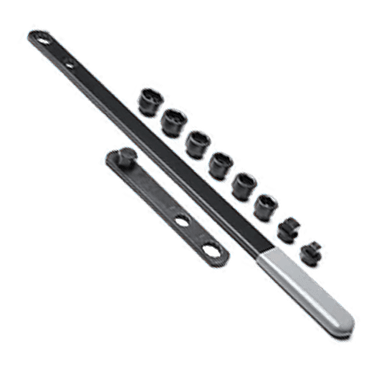
- 3/8-inch drive serpentine belt tool (specialty)
- 3/8-inch drive breaker bar
- 15mm socket
- 10mm socket
- Ratchet wrench with 3/8-inch drive
- Flat-blade screwdriver
- Work light
- Safety glasses
- Mechanic gloves
🔩 Required Parts
HowToo sells all the parts you need for this repair:
- Serpentine drive belt - Qty: 1
📋 Before You Begin
- 🅿️ Park your Grand Cherokee on level ground and shift to Park.
- 🅿️ Set the parking brake firmly.
- ❄️ Let the engine cool completely before reaching near the belt and pulleys.
- 📸 Take a clear photo of the old belt routing before removal. This is your backup map.
- 🔋 Use a 10mm socket to loosen the negative battery terminal, then move the cable aside so it cannot touch the battery post.
🔨 Step-by-Step Instructions
Follow these steps in order:
Step 1: Open the Hood and Locate the Belt
- Use the hood release inside the cabin, then lift the hood and secure it.
- Use a work light to find the serpentine belt at the front of the engine.
- Look for the belt routing decal under the hood or on the radiator support. This diagram shows the belt path around each pulley.
- If the decal is missing or unreadable, use your phone photo as the routing reference.
Step 2: Identify the Belt Tensioner
- Use the work light to locate the automatic belt tensioner. It has a smooth pulley mounted on a spring-loaded arm.
- The tensioner on your Grand Cherokee is released by rotating the tensioner arm with a 3/8-inch drive tool or a socket on the tensioner bolt, depending on access.
- A serpentine belt tool is a long, thin handle that gives extra reach in tight engine spaces.
Step 3: Release Belt Tension
- Put on safety glasses and mechanic gloves.
- Install the 3/8-inch drive serpentine belt tool or 3/8-inch drive breaker bar into the tensioner square-drive opening if equipped.
- If using the tensioner pulley bolt, place the 15mm socket and 3/8-inch drive breaker bar on the tensioner bolt.
- Slowly rotate the tensioner away from the belt to remove belt tension.
- While holding the tensioner back, slide the belt off one easy-to-reach smooth pulley first.
- Slowly release the tensioner back to its resting position. Do not let it snap back.
- Move slowly; the spring is strong.
Step 4: Remove the Old Belt
- Use your hands to pull the belt off the remaining pulleys.
- If the belt is stuck in a pulley groove, use a flat-blade screwdriver gently to lift it free.
- Do not pry hard against plastic pulleys or pulley seals.
- Remove the belt from the engine bay.
Step 5: Inspect the Pulleys Before Installing the New Belt
- Use your hand to spin the smooth idler pulleys and tensioner pulley.
- They should spin smoothly without grinding, wobbling, or rough spots.
- Look at the grooved pulleys. The grooves should be clean and not packed with rubber dust.
- If a pulley wobbles, grinds, or feels loose, replace that pulley before installing the new belt.
Step 6: Compare the New Belt to the Old Belt
- Lay the old and new serpentine belts side by side.
- The new belt should be the same width and very close in length.
- A slightly shorter new belt is normal because the old belt can stretch with age.
Step 7: Route the New Belt Around the Pulleys
- Use your belt routing photo or the under-hood diagram.
- Start by routing the new belt around the lower pulleys first.
- Make sure the ribbed side of the belt sits in grooved pulleys.
- Make sure the smooth back side of the belt rides on smooth pulleys.
- Leave one upper smooth pulley for last because it is usually easiest to slip the belt over.
- Ribs go into grooves.
Step 8: Release the Tensioner Again
- Use the 3/8-inch drive serpentine belt tool, 3/8-inch drive breaker bar, or 15mm socket as used during removal.
- Rotate the tensioner away from the belt path.
- Slide the belt over the final pulley.
- Slowly release the tensioner until it applies tension to the belt.
Step 9: Check Belt Alignment
- Use the work light to inspect every pulley.
- The belt must sit centered on each pulley.
- Each belt rib must sit inside the matching pulley groove.
- If the belt is one rib off, use the tensioner tool again and reposition it before starting the engine.
Step 10: Reconnect the Battery
- Place the negative battery cable back onto the negative battery post.
- Use the 10mm socket and ratchet wrench with 3/8-inch drive to tighten the terminal clamp snugly.
- Do not overtighten the battery terminal clamp.
Step 11: Start and Observe
- Start the engine and let it idle.
- Use the work light to watch the belt from a safe distance.
- The belt should run smoothly with no wobble, squeal, flap, or walking off the pulleys.
- Turn the engine off immediately if the belt jumps, squeals loudly, or appears misaligned.
✅ After Repair
- ✅ Let the engine idle for 1-2 minutes, then shut it off and recheck belt position.
- ✅ Check that the battery warning light is off.
- ✅ Check that steering assist, A/C operation, and charging system behavior are normal.
- ✅ After a short test drive, inspect the belt again with the engine off.
- ✅ If you hear chirping or squealing, recheck belt routing, pulley alignment, and tensioner condition.
💰 DIY vs Shop Cost
Shop Cost: $160-$300 USD equivalent (parts + labor)
DIY Cost: $35-$85 USD equivalent (parts only)
You Save: $125-$215 USD equivalent by doing it yourself!
Shop labor rates vary but typically run $100-$150/hour. This repair takes a shop approximately 0.5-1.0 hour.
🎯 Ready to get started?
HowToo makes it easy: same-day/2-day shipping on every part, plus all the tools and specialty tools you need! Check out the parts and tools sections below to add everything to your cart.