






How to Replace the Serpentine (Accessory Drive) Belts on a 2010 Subaru Outback
Step-by-step alternator/power steering and A/C belt replacement with tools, routing tips, and torque specs for 2005, 2006, 2007, 2008, 2009, 2010, 2011
How to Replace the Serpentine (Accessory Drive) Belts on a 2010 Subaru Outback
Step-by-step alternator/power steering and A/C belt replacement with tools, routing tips, and torque specs for 2005, 2006, 2007, 2008, 2009, 2010, 2011


🔧 Outback - Serpentine Belt Replacement
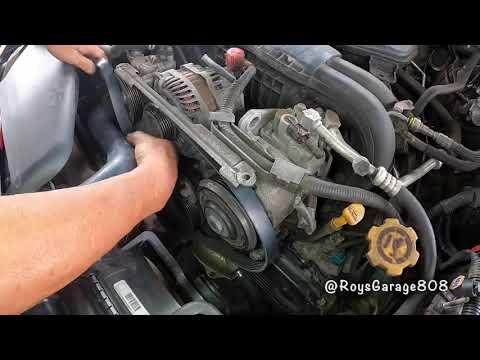
On your Outback, the “serpentine belt” term is often used loosely—many 2.5L setups use two accessory drive belts: one for alternator/power steering and one for A/C. Replacing them is mainly about loosening the adjusters, swapping the belt(s), then setting correct tension so you don’t get squeal or premature bearing wear.
Difficulty Level: Beginner | Estimated Time: 0.5-1.5 hours
⚠️ Safety & Precautions
- ⚠️ Work on a cool engine; keep hands clear of the radiator fans.
- ⚠️ Remove the key and make sure the engine cannot start while your fingers are near pulleys.
- ⚠️ If you jack the front up for access, support with jack stands on solid ground.
- ⚠️ Avoid over-tightening belts—too tight can damage alternator/power steering bearings.
- ⚠️ Battery disconnect is not required, but it’s safer if you’ll be near the alternator wiring: use a 10mm wrench to remove the negative terminal.
🔧 Required Tools
You'll need the following tools for this repair:
- Safety glasses
- Mechanic gloves
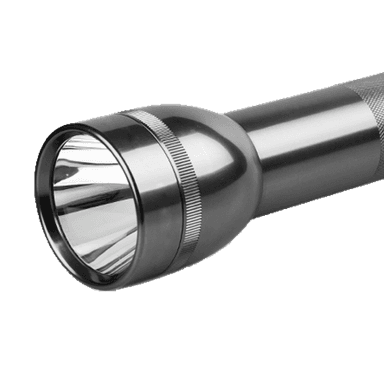
- Flashlight
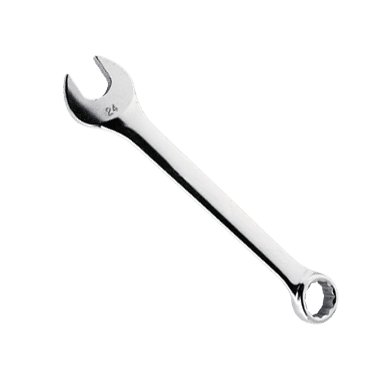
- 10mm wrench
- 10mm socket
- 12mm socket
- 14mm socket
- 3/8" ratchet
- 3/8" breaker bar
- Torque wrench (10-80 ft-lbs)
- Trim clip tool
- Floor jack (rated 3-ton minimum)
- Jack stands (rated 3-ton minimum)
- Wheel chocks
🔩 Required Parts
HowToo sells all the parts you need for this repair:
- Alternator/Power steering drive belt - Qty: 1
- A/C drive belt - Qty: 1
📋 Before You Begin
- Park on level ground, transmission in neutral, and set the parking brake.
- Chock the rear wheels using wheel chocks.
- If you want extra room, raise the front and support with jack stands using a floor jack.
- Take a quick photo of belt routing.
🔨 Step-by-Step Instructions
Follow these steps in order:
Step 1: Get access to the front of the engine
- Open the hood and use a flashlight to locate the belts and pulleys at the front of the engine.
- If your air intake snorkel blocks access, remove its clips using a trim clip tool and any bolts using a 10mm socket.
Step 2: Identify which belt(s) you’re replacing
- The alternator/power steering belt runs around the alternator and power steering pump pulleys.
- The A/C belt runs lower around the A/C compressor and an idler pulley.
- If one belt is cracked, replace both.
Step 3: Loosen the alternator (alternator/power steering belt)
- Use a 12mm socket to loosen (do not remove) the alternator lock bolt.
- Use a 12mm socket to loosen (do not remove) the alternator pivot bolt.
- Use a 10mm socket to turn the alternator adjuster screw counterclockwise until the belt is loose.
Step 4: Remove and install the alternator/power steering belt
- Slip the old belt off the pulleys by hand. If it’s stubborn, use a breaker bar to slightly relieve tension by backing off the 10mm socket adjuster more.
- Route the new belt over the pulleys in the same path as the old belt.
- Use the 10mm socket on the adjuster screw to tension the belt until it has about 1/4"-3/8" (6-10mm) of deflection at the longest straight span using firm finger pressure.
- Tighten the alternator bolts using a torque wrench:
- Alternator pivot bolt: Torque to 44 Nm (32 ft-lbs)
- Alternator lock bolt: Torque to 23 Nm (17 ft-lbs)
Step 5: Loosen the A/C belt idler (A/C belt)
- Locate the A/C belt idler pulley (lower front area).
- Use a 12mm socket to loosen the idler lock bolt.
- Use a 10mm socket to turn the idler adjuster screw counterclockwise to relieve belt tension.
Step 6: Remove and install the A/C belt
- Slip the old A/C belt off the pulleys by hand.
- Route the new A/C belt onto the crank and A/C compressor pulleys.
- Use the 10mm socket on the adjuster screw to tension the belt until it has about 1/4"-3/8" (6-10mm) of deflection at the longest straight span using firm finger pressure.
- Tighten the idler bolts using a torque wrench:
- Idler lock bolt: Torque to 39 Nm (29 ft-lbs)
Step 7: Double-check alignment and tension
- Use a flashlight to confirm each belt is fully seated in every pulley groove (not riding on an edge).
- Spin-check by hand: with engine off, rotate a pulley carefully to confirm the belt tracks straight.
Step 8: Reinstall anything you removed
- Reinstall the intake snorkel/clips using a trim clip tool and 10mm socket.
- If you disconnected the battery, reconnect the negative terminal using a 10mm wrench.
- If you lifted the vehicle, lower it safely using a floor jack and remove the jack stands.
✅ After Repair
- Start the engine and listen for belt squeal or slapping.
- Turn on electrical loads (headlights, rear defogger) and confirm no squeal.
- Turn the steering wheel lock-to-lock and confirm the power steering feels normal (no squeal).
- Turn the A/C on and confirm the A/C belt runs smoothly.
- Recheck belt tension after a short 10-15 minute drive; belts can “seat” and loosen slightly.
💰 DIY vs Shop Cost
Shop Cost: $180-$350 (parts + labor)
DIY Cost: $30-$90 (parts only)
You Save: $150-$260 by doing it yourself!
Shop labor rates vary but typically run $100-$150/hour. This repair takes a shop approximately 0.7-1.2 hours.
🎯 Ready to get started?
HowToo makes it easy: same-day/2-day shipping on every part, plus all the tools and specialty tools you need! Check out the parts and tools sections below to add everything to your cart.