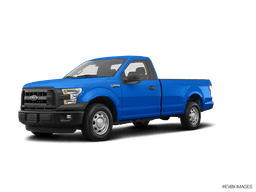






How to Replace the Rear Door Lock Actuator on a 2016 Ford F-150
Step-by-step instructions with tools, parts, torque specs, safety tips, and testing guidance for 2014, 2015, 2016, 2017, 2018, 2019
How to Replace the Rear Door Lock Actuator on a 2016 Ford F-150
Step-by-step instructions with tools, parts, torque specs, safety tips, and testing guidance for 2014, 2015, 2016, 2017, 2018, 2019


🔧 Rear Door Lock Actuator - Replacement
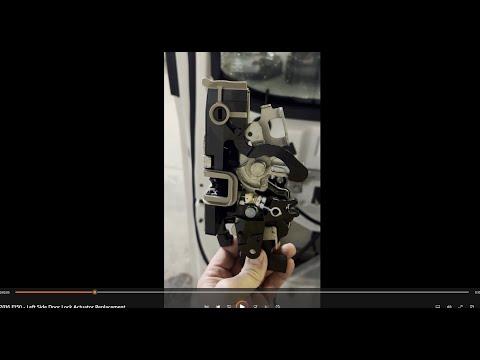
The rear door lock actuator is built into the latch assembly on your F-150, so the repair usually means removing the inner door trim, unplugging the electrical connector, and swapping the latch/actuator unit. If the door locks click but the lock will not move, this is the most likely fix.
Difficulty Level: Intermediate | Estimated Time: 1.5-3 hours
⚠️ Safety & Precautions
- Disconnect the negative battery cable before unplugging door electronics.
- The door panel has sharp edges and hidden clips; wear gloves and safety glasses.
- Be careful around the side-impact airbag area in the door. Do not probe yellow connectors.
- Support the door trim panel as you remove it so it does not tear wiring.
- Use a trim tool instead of a screwdriver when possible to avoid breaking clips.
🔧 Required Tools
You'll need the following tools for this repair:
- 7mm socket
- 8mm socket
- Ratchet
- Short extension
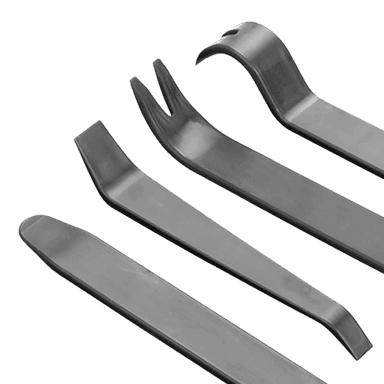
- Trim panel removal tool
- Torx T20 screwdriver
- Torx T30 screwdriver
- Flat plastic pry tool
- Needle-nose pliers
- Pick tool
- Torque wrench
- Safety glasses
- Gloves
🔩 Required Parts
HowToo sells all the parts you need for this repair:
- Rear door lock actuator / latch assembly - Qty: 1
- Door panel clip set - Qty: 1 set
- Foam vapor barrier adhesive - Qty: 1
📋 Before You Begin
- Park on level ground and set the parking brake.
- Lower the rear window if possible before disconnecting the battery.
- Turn the ignition off and remove the key/fob from the vehicle.
- Disconnect the negative battery cable and wait at least 5 minutes before working.
🔨 Step-by-Step Instructions
Follow these steps in order:
Step 1: Remove the door handle trim and switch trim
- Use a flat plastic pry tool to remove the small trim covers around the inner handle and switch area.
- Use a 7mm socket to remove the visible screws behind the trim pieces.
- Keep screws organized by location.
Step 2: Remove the door panel
- Use a trim panel removal tool to pop the clips around the lower and side edges of the panel.
- Lift the panel upward to unhook it from the top window ledge.
- Disconnect the electrical connectors for the switch panel, speaker, and courtesy light.
- If equipped, disconnect the door release cable carefully from the handle lever.
Step 3: Remove the water shield
- Peel back the vapor barrier slowly by hand or with a plastic pry tool.
- Do not tear it. You will need it to reseal the door.
- Warm adhesive releases easier.
Step 4: Disconnect the latch and actuator linkages
- Use a pick tool or needle-nose pliers to release the rod retainers from the latch.
- Disconnect the electrical connector from the actuator/latch assembly.
- Note the routing of each rod before removal.
Step 5: Remove the latch/actuator assembly
- Use a Torx T30 screwdriver to remove the latch mounting screws on the door edge.
- Slide the latch assembly out through the access opening.
- If needed, use a Torx T20 screwdriver for any small bracket fasteners attached to the assembly.
- Torque on installation: 8 Nm (71 in-lbs)
Step 6: Install the new actuator/latch assembly
- Compare the new part to the old one before installing it.
- Slide the new assembly into place and reconnect the electrical connector.
- Reconnect all lock and handle rods exactly as removed.
- Use a Torx T30 screwdriver to tighten the mounting screws.
- Torque to 8 Nm (71 in-lbs)
Step 7: Test the lock before reassembly
- Reconnect the battery temporarily.
- Use the key fob and the interior lock switch to test lock and unlock operation.
- Verify the inside handle and outside handle both open the door correctly.
- Disconnect the battery again before finishing reassembly.
Step 8: Reinstall the vapor barrier and door panel
- Press the vapor barrier back into place. Use foam vapor barrier adhesive if needed.
- Reconnect all electrical connectors and the handle cable.
- Hang the panel on the top edge first, then press the clips back into place.
- Reinstall the screws with the 7mm socket.
- Torque to 2.5 Nm (22 in-lbs) for trim screws if applicable.
Step 9: Final check
- Reconnect the negative battery cable.
- Test the rear door lock, unlock, inside handle, and outside handle several times.
- Confirm the door closes securely and the lock cycles normally.
✅ After Repair
- Cycle the lock at least 10 times to confirm consistent operation.
- Check for any loose trim clips or rattles after a short test drive.
- If the lock still does not work, inspect the wiring harness in the door jamb for breaks.
💰 DIY vs Shop Cost
Shop Cost: $350-$700 (parts + labor)
DIY Cost: $80-$220 (parts only)
You Save: $270-$480 by doing it yourself!
Shop labor rates vary but typically run $100-$150/hour. This repair takes a shop approximately 1.5-3 hours.
🎯 Ready to get started?
HowToo makes it easy: same-day/2-day shipping on every part, plus all the tools and specialty tools you need! Check out the parts and tools sections below to add everything to your cart.