






How to Replace the Rear Door Lock Actuator on a 2012 Toyota Corolla
Step-by-step instructions with tools, parts, safety tips, and reassembly guidance for 2009, 2010, 2011, 2012, 2013
How to Replace the Rear Door Lock Actuator on a 2012 Toyota Corolla
Step-by-step instructions with tools, parts, safety tips, and reassembly guidance for 2009, 2010, 2011, 2012, 2013


🔧 Corolla - Rear Door Lock Actuator Replacement
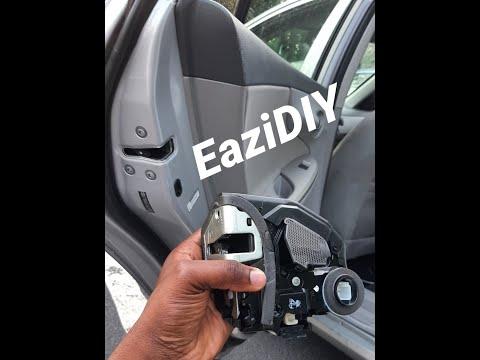
The rear door lock actuator sits inside the door latch assembly and controls the power lock movement. To replace it, you remove the interior trim panel, disconnect the latch hardware and wiring, then install the new actuator and reassemble the door.
Difficulty Level: Intermediate | Estimated Time: 1.5-3 hours
⚠️ Safety & Precautions
- Disconnect the negative battery cable before unplugging door wiring. This helps prevent short circuits and airbag warning lights.
- Wait at least 90 seconds after battery disconnect before working near the door wiring harness.
- Keep the key out of the vehicle so the power locks do not cycle while your hands are inside the door.
- Use care around the door panel clips. They break easily if pulled at the wrong angle.
- If the window is in the way, support it so it cannot drop unexpectedly.
🔧 Required Tools
You'll need the following tools for this repair:
- 10mm socket
- 1/4-inch ratchet
- 1/4-inch extension
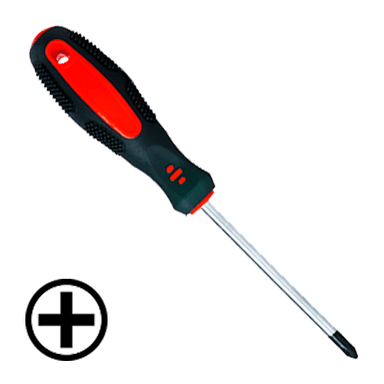
- Phillips screwdriver
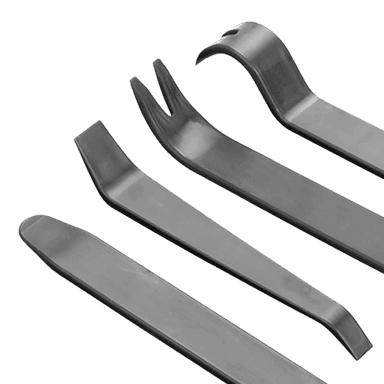
- Trim panel clip tool
- Small flat-blade screwdriver
- Needle-nose pliers
- Torque wrench
- Safety glasses
- Mechanic gloves
🔩 Required Parts
HowToo sells all the parts you need for this repair:
- Rear door lock actuator assembly - Qty: 1
- Door panel clip set - Qty: 1 set
- Door handle vapor barrier adhesive - Qty: 1
📋 Before You Begin
- Park on level ground and open the rear door fully.
- Turn the ignition off and remove the key.
- Disconnect the negative battery cable using a 10mm socket.
- Lower the window slightly if needed so the glass is easier to manage during panel removal.
🔨 Step-by-Step Instructions
Follow these steps in order:
Step 1: Remove the rear door trim panel
- Use a Phillips screwdriver to remove the screws hidden behind the interior handle bezel and armrest area.
- Use a trim panel clip tool to pop the door panel clips loose around the perimeter.
- Lift the panel upward to release it from the window ledge.
- Disconnect the switch connector and any courtesy light connectors.
Step 2: Remove the moisture barrier
- Use a small flat-blade screwdriver to gently lift the plastic barrier away from the door shell.
- Peel it back slowly so it can be reused.
- Keep the adhesive clean.
Step 3: Access the latch and actuator
- Use a 10mm socket with a 1/4-inch ratchet and extension to remove the access fasteners if equipped.
- Unplug the actuator electrical connector.
- Use needle-nose pliers to unclip the lock rod and handle rod retainers.
- Mark rod positions first if needed so reassembly is easier.
Step 4: Remove the latch/actuator assembly
- Use a 10mm socket to remove the latch mounting bolts from the door edge.
- Support the latch while removing the last bolt so it does not drop inside the door.
- Pull the assembly out through the access opening.
- Torque on installation: tighten the latch bolts to factory specification.
Step 5: Install the new actuator assembly
- Transfer any brackets, rods, or clips from the old unit to the new one if they are not included.
- Install the new actuator/latch assembly into the door.
- Use the 10mm socket to start the mounting bolts by hand first.
- Reconnect the lock rod, handle rod, and electrical connector.
- Torque on installation: tighten all fasteners to factory specification.
- Make sure every rod clip fully snaps shut.
Step 6: Test the actuator before reassembly
- Reconnect the negative battery cable with a 10mm socket.
- Lock and unlock the rear door several times using the key fob and interior switch.
- Check that the inside handle, outside handle, and child lock all operate correctly.
- If the latch does not move smoothly, stop and recheck the rod connections.
Step 7: Reassemble the door
- Reinstall the moisture barrier and press the adhesive back into place.
- Reconnect all electrical plugs in the door panel.
- Set the top edge of the panel on the window ledge first, then press the clips in with your hands.
- Install the screws with a Phillips screwdriver.
- Press around the panel edge to make sure all clips are seated.
✅ After Repair
- Lock and unlock the door from inside and outside.
- Confirm the door opens and closes normally.
- Check that the key fob locks all doors if equipped with central locking.
- Listen for any rubbing or binding inside the door.
💰 DIY vs Shop Cost
Shop Cost: $250-$500 (parts + labor)
DIY Cost: $60-$180 (parts only)
You Save: $190-$320 by doing it yourself!
Shop labor rates vary but typically run $100-$150/hour. This repair takes a shop approximately 1.5-2.5 hours.
🎯 Ready to get started?
HowToo makes it easy: same-day/2-day shipping on every part, plus all the tools and specialty tools you need! Check out the parts and tools sections below to add everything to your cart.