

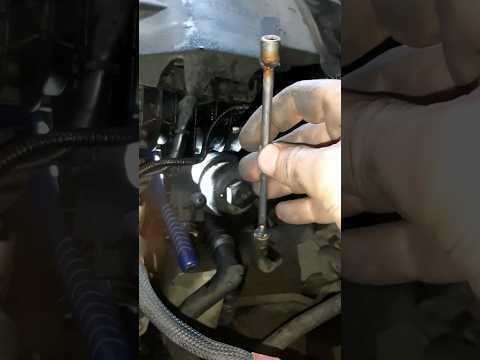







How to Replace the Radiator Hose on a 2016 BMW X5 (Upper Hose Guide)
Step-by-step DIY instructions with tools, parts list, coolant drain/refill, and bleed procedure for 2011, 2012, 2013, 2014, 2015, 2016, 2017, 2018
How to Replace the Radiator Hose on a 2016 BMW X5 (Upper Hose Guide)
Step-by-step DIY instructions with tools, parts list, coolant drain/refill, and bleed procedure for 2011, 2012, 2013, 2014, 2015, 2016, 2017, 2018


🔧 X5 - Radiator Hose Replacement
Replacing a radiator hose fixes coolant leaks and helps prevent overheating. On your X5, many hoses use quick-connect fittings and spring clamps, so the job is mostly careful removal and correct seating of the new hose.
Assumption: Replacing the most common hose (upper radiator hose). The same method applies to the lower hose, but access and routing differ.
Difficulty Level: Intermediate | Estimated Time: 1.5-3.0 hours
⚠️ Safety & Precautions
- ⚠️ Never open the coolant cap on a hot engine; let it cool fully.
- ⚠️ Support the X5 with jack stands before going underneath.
- ⚠️ Keep hands clear of the electric fan; it can run unexpectedly.
- ⚠️ Clean spilled coolant immediately; it’s toxic and slippery.
🔧 Required Tools
You'll need the following tools for this repair:
- Floor jack (rated 3-ton minimum)
- Jack stands (rated 3-ton minimum)
- Wheel chocks
- Safety glasses
- Nitrile gloves
- Drain pan (at least 10 liters)
- Socket set with ratchet
- 8mm socket
- 10mm socket
- E-Torx socket set
- Torx bit set
- Flat-blade screwdriver
- Pick tool set
- Hose clamp pliers
- Trim clip removal tool
- Funnel
- Shop rags
- Flashlight
🔩 Required Parts
HowToo sells all the parts you need for this repair:
- Upper radiator hose assembly - Qty: 1
- Hose O-rings/seals (if not included with hose) - Qty: 1 set
- Coolant (BMW-approved) - Qty: 2 gallons
- Distilled water - Qty: 2 gallons
- New hose clamps (if your hose uses replaceable clamps) - Qty: 1-2
📋 Before You Begin
- Park on level ground, set the parking brake, and let the engine cool completely.
- Chock the rear wheels with wheel chocks.
- Plan for coolant: place a drain pan under the front of the X5 before loosening anything.
- Know the connector type: a BMW quick-connect uses a retaining clip; you pull the clip up, then twist and pull the hose off.
🔨 Step-by-Step Instructions
Follow these steps in order:
Step 1: Raise and support the front
- Use a floor jack (rated 3-ton minimum) to lift the front at the approved front center jack point.
- Set the X5 down onto jack stands (rated 3-ton minimum) placed at the front side jack points.
Step 2: Remove the lower splash shield/undertray
- Use an 8mm socket and Torx bit set to remove the undertray fasteners.
- Use a trim clip removal tool for any plastic push-clips.
- Keep fasteners grouped by location.
Step 3: Drain coolant (controlled drain)
- Place the drain pan (at least 10 liters) under the radiator area.
- Slowly loosen the coolant expansion tank cap by hand to release any leftover pressure, then remove it.
- Use a flat-blade screwdriver (or appropriate Torx bit, depending on your drain fitting) to open the radiator drain and drain coolant.
- If your X5 does not have an accessible radiator drain, you can drain by removing the lower hose connection (expect a faster gush).
Step 4: Locate the radiator hose and clear access
- Use a flashlight to follow the upper hose from the top of the radiator to the engine-side connection.
- Remove any small air ducting or covers blocking access using a 10mm socket and ratchet.
Step 5: Release the hose connection at the radiator
- If it’s a spring clamp: use hose clamp pliers to compress the clamp and slide it back on the hose.
- If it’s a BMW quick-connect: use a pick tool set to lift the retaining clip to the “unlocked” position (do not remove the clip completely unless it’s designed to come off).
- Twist the hose gently to break it free, then pull it straight off.
- Twist first; pulling hard can crack plastic.
Step 6: Release the hose connection at the engine side
- Repeat the same clamp/quick-connect process using hose clamp pliers and/or a pick tool set.
- Use shop rags to catch remaining coolant when the hose comes off.
Step 7: Remove the old hose and compare parts
- Lift the hose out, noting the exact routing and any mounting clips.
- Compare the new hose to the old hose: same bends, same connector style, same port angles.
- Transfer any brackets/holders using a socket set with ratchet or Torx bit set if needed.
Step 8: Install the new hose (important seating step)
- Lightly wet the new O-ring with fresh coolant (do not use oil/grease).
- Push the hose fully onto the fitting until it bottoms out.
- For quick-connect: push the retaining clip down to “locked,” then pull back on the hose to confirm it is locked.
- For spring clamp: use hose clamp pliers to position the clamp back in its original spot.
- No torque spec: Spring clamps and quick-connects lock by design.
Step 9: Reinstall removed covers and undertray
- Reinstall any covers/ducts using a 10mm socket and ratchet.
- Reinstall the undertray using an 8mm socket and Torx bit set.
- Torque: Underbody small fasteners are typically light-tight; do not overtighten into plastic.
Step 10: Refill coolant
- Mix BMW-approved coolant with distilled water (commonly 50/50 unless your coolant label specifies otherwise).
- Use a funnel to slowly fill the expansion tank to the MAX mark.
Step 11: Bleed the cooling system (electric water pump bleed)
- Turn ignition ON without starting the engine (dash on).
- Set the climate control to maximum temperature and the fan to the lowest speed.
- Press and hold the accelerator pedal down for about 10 seconds to trigger the bleed routine (you may hear the electric pump cycling).
- Let the bleed routine run; keep an eye on coolant level and top off as needed using the funnel.
- Do not open cap while pump is cycling.
Step 12: Warm-up check (leaks + level)
- Start the engine and let it idle while you inspect the hose connections with a flashlight.
- Watch for drips and for any “sweet” coolant smell.
- After the engine cools again, recheck level and top off to the correct mark.
✅ After Repair
- Check for warning messages related to coolant level/temperature on the instrument cluster.
- Do a short 10–15 minute drive, then park and recheck for leaks underneath.
- Recheck coolant level the next morning when fully cold.
- Dispose of old coolant properly; most parts stores accept it for recycling.
💰 DIY vs Shop Cost
Shop Cost: $350-$750 (parts + labor)
DIY Cost: $80-$220 (parts only)
You Save: $270-$530 by doing it yourself!
Shop labor rates vary but typically run $100-$150/hour. This repair takes a shop approximately 1.5-3.0 hours.
🎯 Ready to get started?
HowToo makes it easy: same-day/2-day shipping on every part, plus all the tools and specialty tools you need! Check out the parts and tools sections below to add everything to your cart.