

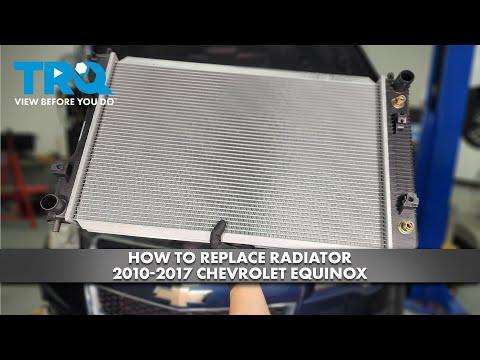




How to Replace the Radiator Hose on a 2015 Chevrolet Equinox
Step-by-step instructions with tools, parts, coolant refill, and leak-check tips
How to Replace the Radiator Hose on a 2015 Chevrolet Equinox
Step-by-step instructions with tools, parts, coolant refill, and leak-check tips


Assumption: This covers the main radiator hose replacement on your Equinox. Upper and lower hose service is very similar, but clamp and routing details can differ.
🔧 Radiator Hose - Replacement
The radiator hose carries hot coolant between the engine and radiator. If it is cracked, swollen, leaking, or soft, replacement is the right fix before it fails and causes overheating.
Difficulty Level: Beginner | Estimated Time: 1-2 hours
⚠️ Safety & Precautions
- Never open the cooling system on a hot engine. Hot coolant can spray out and cause burns.
- Let the engine cool completely before starting.
- Use a drain pan and keep coolant away from pets and children. Coolant is toxic.
- Battery disconnect is not required for this repair.
- If your hose runs near the cooling fan, keep hands clear and make sure the key is off.
🔧 Required Tools
You'll need the following tools for this repair:
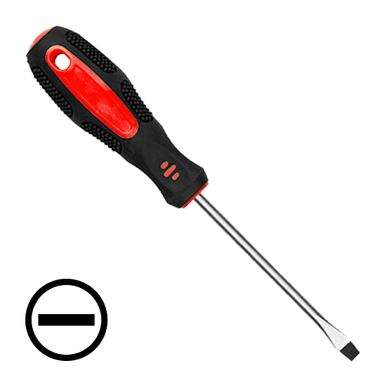
- Flat-blade screwdriver
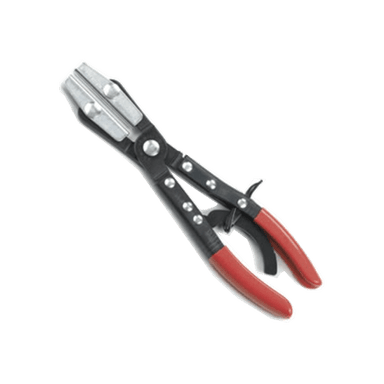
- Hose clamp pliers (specialty)
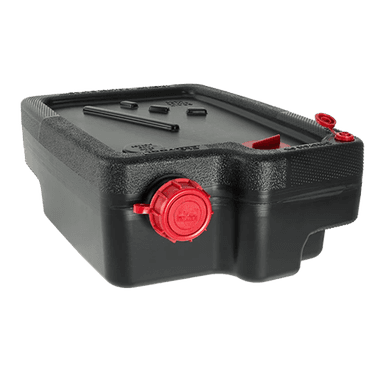
- Catch pan
- Funnel
- Shop towels
- Gloves
- Safety glasses
- Jack and jack stands (rated 3-ton minimum)
🔩 Required Parts
HowToo sells all the parts you need for this repair:
- Radiator hose - Qty: 1
- Hose clamps - Qty: 2
- DEX-COOL coolant - Qty: 1-2 gallons
📋 Before You Begin
- Park on a level surface and set the parking brake.
- Let the engine cool fully.
- Place a drain pan under the radiator area before opening any hose connection.
- If the hose is hard to reach from above, raise the front of the vehicle and support it with jack stands.
🔨 Step-by-Step Instructions
Follow these steps in order:
Step 1: Drain the coolant level
- Use a drain pan under the radiator.
- Open the radiator drain if accessible, or remove the radiator cap only after the engine is fully cool.
- Drain enough coolant so the level is below the hose you are replacing.
- Torque: No torque spec for draining.
Step 2: Remove the old hose
- Use hose clamp pliers or a flat-blade screwdriver to release the hose clamps.
- Slide the clamps back on the hose.
- Twist the hose gently to break it loose, then pull it off the radiator neck and engine fitting.
- Twist first, then pull.
Step 3: Clean the hose connections
- Use a shop towel to clean the radiator neck and engine fitting.
- Remove any old rubber residue or corrosion.
- Make sure the sealing surfaces are smooth and clean.
- Torque: No torque spec for cleaning.
Step 4: Install the new hose
- Slide the new clamps onto the hose first.
- Push the hose fully onto each fitting until it seats against the stop.
- Position each clamp over the raised bead on the fitting.
- Use hose clamp pliers or a flat-blade screwdriver to secure the clamps.
- Torque: No bolt torque spec; clamp should be snug and evenly seated.
Step 5: Refill the cooling system
- Use a funnel to refill with the correct coolant.
- Fill slowly to avoid trapping air.
- Install the cap when full.
- Torque: No torque spec for the cap; tighten by hand until fully seated.
Step 6: Bleed air from the system
- Start the engine and let it idle with the heater set to hot.
- Watch the coolant level and top off as needed.
- Look for bubbles in the reservoir as air purges out.
- Check that warm air comes from the vents once the engine reaches operating temperature.
- Top off only when cool.
Step 7: Check for leaks
- Inspect both hose ends while the engine is running.
- Look for drips at the radiator neck, engine fitting, and clamp area.
- Shut the engine off and recheck the coolant level after it cools.
- Torque: No torque spec for leak checking.
✅ After Repair
- Drive the vehicle short distance and recheck coolant level after it cools fully.
- Watch the temperature gauge for normal operation.
- Inspect again the next day for any seepage at the hose ends.
- If the coolant was very low, recheck the reservoir over the next few heat cycles.
💰 DIY vs Shop Cost
Shop Cost: $180-$450 (parts + labor)
DIY Cost: $35-$90 (parts only)
You Save: $145-$360 by doing it yourself!
Shop labor rates vary but typically run $100-$150/hour. This repair takes a shop approximately 1-2 hours.
🎯 Ready to get started?
HowToo makes it easy: same-day/2-day shipping on every part, plus all the tools and specialty tools you need! Check out the parts and tools sections below to add everything to your cart.