

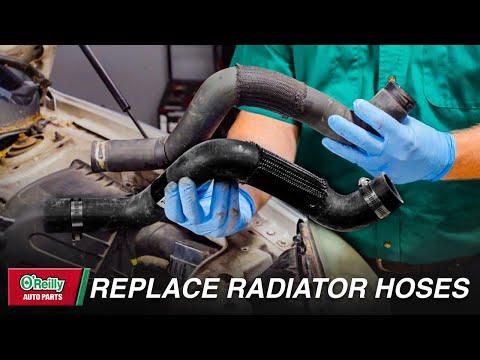



How to Replace the Radiator Hose on a 2014 Chevrolet Equinox
Step-by-step instructions with tools, parts, coolant refill, bleeding, and safety tips for 2014, 2015, 2016, 2017
How to Replace the Radiator Hose on a 2014 Chevrolet Equinox
Step-by-step instructions with tools, parts, coolant refill, bleeding, and safety tips for 2014, 2015, 2016, 2017


Assumption: This guide covers replacing a single radiator hose on your Equinox, either the upper or lower hose. The basic removal and installation process is the same.
🔧 Radiator Hose - Replacement
The radiator hose carries engine coolant between the engine and radiator. If it is leaking, cracked, swollen, or soft, replace it before it fails and causes overheating. On your Equinox, access is usually straightforward, but you must refill and bleed the cooling system correctly afterward.
Difficulty Level: Beginner | Estimated Time: 1-2 hours
⚠️ Safety & Precautions
- Let the engine cool completely before touching the cooling system. Hot coolant can cause severe burns.
- Do not remove the radiator cap when the engine is hot.
- Use jack stands if you need extra access under the vehicle. Never rely on a jack alone.
- Keep coolant away from pets and children. It is toxic.
- No battery disconnect is required for this repair.
🔧 Required Tools
You'll need the following tools for this repair:
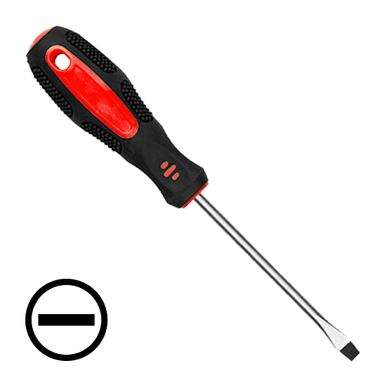
- Flat-blade screwdriver
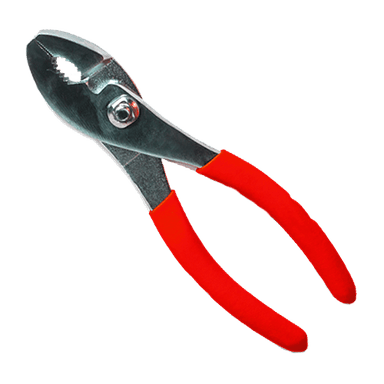
- Pliers
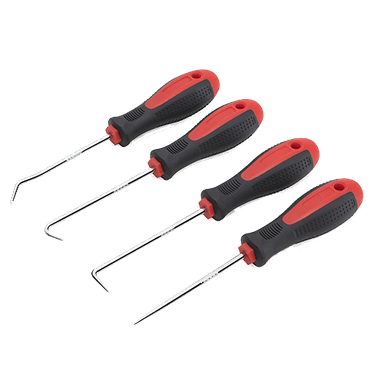
- Pick tool
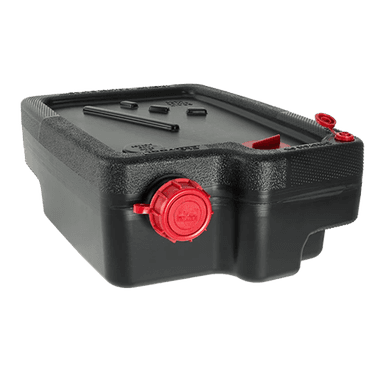
- Drain pan
- Funnel
- Trim clip tool
- Gloves
- Safety glasses
- Jack stands
🔩 Required Parts
HowToo sells all the parts you need for this repair:
- Radiator hose - Qty: 1
- Radiator hose clamps - Qty: 2
- DEX-COOL coolant - Qty: 1-2 gallons
📋 Before You Begin
- Park on level ground and set the parking brake.
- Let the engine cool fully.
- Place a drain pan under the radiator area.
- If equipped with a splash shield, remove it for access.
🔨 Step-by-Step Instructions
Follow these steps in order:
Step 1: Relieve pressure and drain coolant
- With the engine fully cold, slowly remove the coolant reservoir cap.
- Use a drain pan under the radiator and open the radiator drain if accessible, or disconnect the lower hose carefully to drain coolant.
- Open the cap slowly.
Step 2: Gain access to the hose
- Use a trim clip tool to remove any splash shield fasteners blocking access.
- If needed, raise the front of the vehicle and support it with jack stands.
Step 3: Remove the old hose
- Use pliers to squeeze the spring clamps and slide them back on the hose.
- Use a flat-blade screwdriver or pick tool to gently break the hose loose from the radiator and engine fitting.
- Twist the hose to free it, then pull it off.
- Work the hose gently.
Step 4: Inspect the fittings
- Check the radiator neck and engine pipe for cracks, rust, or leftover rubber.
- Clean the sealing surfaces so the new hose seats fully.
Step 5: Install the new hose
- Slide the new clamps onto the hose before installation.
- Push the hose fully onto the radiator and engine fittings until it seats against the stop.
- Position the clamps over the hose bead in the same location as the old ones.
- Double-check clamp placement.
Step 6: Refill the cooling system
- Use a funnel to refill with the correct DEX-COOL coolant mixture.
- Fill the reservoir to the proper mark.
- If your system has an air bleed point, open it until coolant flows without bubbles, then close it.
Step 7: Bleed and verify
- Start the engine and let it idle with the heater set to hot.
- Watch for coolant level drops and top off as needed.
- Inspect the hose connections for leaks.
- When the engine reaches operating temperature, recheck the coolant level.
✅ After Repair
- Check the hose again after your first drive.
- Watch the temperature gauge for normal operation.
- Look under the vehicle for any coolant drips.
- Recheck coolant level the next day when the engine is cold.
💰 DIY vs Shop Cost
Shop Cost: $180-$420 (parts + labor)
DIY Cost: $35-$110 (parts only)
You Save: $145-$310 by doing it yourself!
Shop labor rates vary but typically run $100-$150/hour. This repair takes a shop approximately 1-2 hours.
🎯 Ready to get started?
HowToo makes it easy: same-day/2-day shipping on every part, plus all the tools and specialty tools you need! Check out the parts and tools sections below to add everything to your cart.