

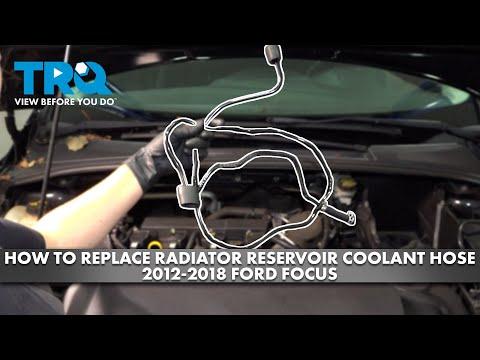




How to Replace the Radiator Hose on a 2012-2018 Ford Focus
Step-by-step coolant hose repair guide with tools, parts, bleeding, and leak checks for 2012, 2013, 2014, 2015, 2016, 2017, 2018
How to Replace the Radiator Hose on a 2012-2018 Ford Focus
Step-by-step coolant hose repair guide with tools, parts, bleeding, and leak checks for 2012, 2013, 2014, 2015, 2016, 2017, 2018


🔧 Focus - Radiator Hose Replacement
Replacing a radiator hose on your Focus means draining some coolant, removing the leaking or worn hose, installing a new hose and clamps, then refilling and bleeding the cooling system. This prevents coolant leaks, overheating, and possible engine damage.
Difficulty Level: Beginner | Estimated Time: 1-2 hours
Assumption: These steps apply to either the upper or lower radiator hose.
⚠️ Safety & Precautions
- ⚠️ Work only when the engine is completely cold. Hot coolant can spray out and burn you.
- ⚠️ Never remove the coolant reservoir cap on a hot engine.
- ⚠️ Coolant is toxic. Keep it away from children, pets, and open containers.
- ⚠️ If you raise the front of your Focus, always use jack stands. Never work under a vehicle held only by a jack.
- ⚠️ Battery disconnect is not required for this repair.
🔧 Required Tools
You'll need the following tools for this repair:
- Safety glasses
- Nitrile gloves
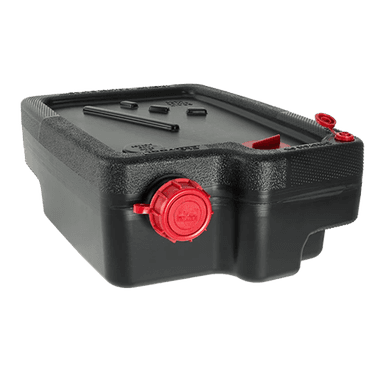
- Drain pan 2-gallon minimum
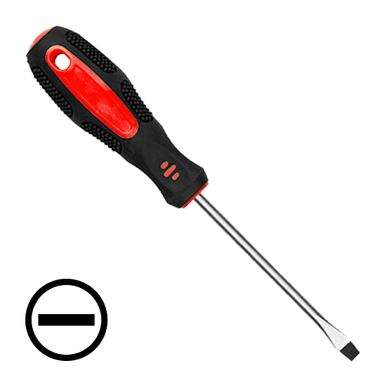
- Flat-blade screwdriver 6mm tip
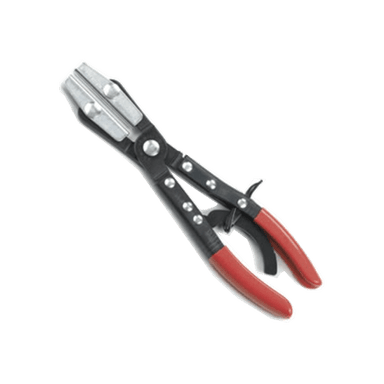
- Hose clamp pliers (specialty)
- Slip-joint pliers 10-inch
- Pick tool 90-degree (specialty)
- 10mm socket
- 3/8-inch drive ratchet
- 3/8-inch drive extension 6-inch
- Floor jack rated 2-ton minimum
- Jack stands rated 2-ton minimum
- Funnel with narrow spout
- Clean shop towels
- Cooling system pressure tester (specialty)
🔩 Required Parts
HowToo sells all the parts you need for this repair:
- Radiator hose - Qty: 1
- Radiator hose clamps - Qty: 2
- Motorcraft-compatible orange coolant concentrate or premixed coolant - Qty: 1 gallon
- Distilled water - Qty: 1 gallon if using coolant concentrate
📋 Before You Begin
- Park your Focus on level ground and set the parking brake.
- Let the engine cool completely, preferably for several hours.
- Open the hood and locate the coolant reservoir on the passenger side of the engine bay.
- A hose clamp is the metal band that squeezes the hose tightly onto the radiator or engine fitting.
- A pick tool is a small hooked tool used to gently loosen a stuck rubber hose without cutting it.
- If replacing the lower radiator hose, raise the front with a floor jack and support it with jack stands.
🔨 Step-by-Step Instructions
Follow these steps in order:
Step 1: Relieve Cooling System Pressure
- Put on safety glasses and nitrile gloves.
- Make sure the engine is fully cold before touching the coolant reservoir cap.
- Slowly loosen the coolant reservoir cap by hand, then remove it.
- Cold engine only.
Step 2: Raise the Front if Needed
- If you are replacing the lower radiator hose, use the floor jack rated 2-ton minimum to lift the front of your Focus.
- Place jack stands rated 2-ton minimum under the front support points.
- Lower the vehicle gently onto the jack stands before working underneath.
Step 3: Place the Drain Pan
- Slide the drain pan 2-gallon minimum under the radiator hose connection you are removing.
- The lower hose will drain more coolant than the upper hose.
- Keep clean shop towels nearby for spills.
Step 4: Remove the Lower Shield if It Blocks Access
- If the lower splash shield is in the way, use a 10mm socket, 3/8-inch drive ratchet, and 3/8-inch drive extension 6-inch to remove the fasteners.
- Set the fasteners aside in order so they go back in the same locations.
- No major torque is required for the splash shield fasteners; reinstall them snugly later.
Step 5: Move the Hose Clamps Back
- Use hose clamp pliers (specialty) to squeeze the spring clamp tabs together.
- Slide each clamp several inches back onto the hose.
- If your hose has screw-style clamps, use a flat-blade screwdriver 6mm tip to loosen each clamp.
Step 6: Remove the Old Hose
- Twist the hose by hand to break it loose from the fitting.
- If the hose is stuck, use the pick tool 90-degree (specialty) to gently lift the hose edge.
- Do not scratch, gouge, or pry hard against the plastic radiator neck or thermostat housing.
- If needed, use slip-joint pliers 10-inch lightly to rotate the hose, not crush it.
- Pull the hose off and allow coolant to drain into the pan.
- Twist first, then pull.
Step 7: Inspect the Fittings
- Use clean shop towels to wipe the radiator and engine-side fittings clean.
- Check for cracks, broken plastic, corrosion, or leftover pieces of old hose.
- If a plastic fitting is cracked, stop and replace that part before installing the new hose.
Step 8: Install the New Hose
- Compare the new radiator hose to the old one to confirm the shape and length match.
- Slide the new radiator hose clamps onto the hose before installing it.
- Push the hose fully onto each fitting until it passes the raised bead.
- The raised bead is the small ridge on the fitting that helps keep the hose from slipping off.
- Use hose clamp pliers (specialty) to move spring clamps into position just behind the raised bead.
- If using screw-style clamps, tighten them with a flat-blade screwdriver 6mm tip until snug.
- Torque to snug only; do not overtighten hose clamps on plastic fittings.
Step 9: Reinstall the Splash Shield
- If removed, hold the shield in place by hand.
- Use the 10mm socket, 3/8-inch drive ratchet, and 3/8-inch drive extension 6-inch to reinstall the fasteners.
- Torque to snug only; do not strip the small shield fasteners.
Step 10: Refill the Coolant
- Place the funnel with narrow spout into the coolant reservoir opening.
- Add Motorcraft-compatible orange coolant. If using concentrate, mix it 50/50 with distilled water.
- Fill the reservoir to the MAX line.
- Install the coolant reservoir cap by hand.
Step 11: Bleed Air from the Cooling System
- Start the engine and let it idle.
- Set the heater to full hot and the fan to low.
- Watch the temperature gauge closely.
- Let the engine warm up until the upper radiator hose gets warm and the heater blows warm air.
- Shut the engine off and let it cool completely.
- Remove the coolant reservoir cap by hand only after it is cold, then top off to the MAX line if needed.
- Air pockets can cause overheating.
Step 12: Pressure Check and Leak Check
- Use clean shop towels to dry both hose ends.
- Use a cooling system pressure tester (specialty) if available to pressurize the system and check for leaks.
- If you do not have a pressure tester, let the engine idle and inspect both hose connections carefully.
- If you see a leak, shut the engine off, let it cool fully, then reposition the clamp with hose clamp pliers (specialty).
✅ After Repair
- Drive your Focus for 10-15 minutes while watching the temperature gauge.
- Park on level ground and check for drips under the front of the vehicle.
- After the engine cools completely, recheck the coolant level.
- Top off the reservoir to the MAX line if needed.
- Recycle the old coolant at an approved coolant disposal or recycling location.
💰 DIY vs Shop Cost
Shop Cost: $180-$350 (parts + labor)
DIY Cost: $35-$95 (parts only)
You Save: $145-$255 by doing it yourself!
Shop labor rates vary but typically run $100-$150/hour. This repair takes a shop approximately 1-1.5 hours.
🎯 Ready to get started?
HowToo makes it easy: same-day/2-day shipping on every part, plus all the tools and specialty tools you need! Check out the parts and tools sections below to add everything to your cart.