




How to Replace the Power Steering Pump on a 2012-2017 Jeep Wrangler
Step-by-step DIY guide with ATF+4 fluid, pulley tool tips, torque specs, and bleeding procedure for 2012, 2013, 2014, 2015, 2016, 2017
How to Replace the Power Steering Pump on a 2012-2017 Jeep Wrangler
Step-by-step DIY guide with ATF+4 fluid, pulley tool tips, torque specs, and bleeding procedure for 2012, 2013, 2014, 2015, 2016, 2017


🔧 Wrangler - Power Steering Pump Replacement
This repair replaces the belt-driven power steering pump on your Wrangler. The pump supplies hydraulic pressure to help you steer; common failure signs include whining noise, heavy steering, fluid leaks, or foamy power steering fluid.
Difficulty Level: Intermediate | Estimated Time: 2-3 hours
⚠️ Safety & Precautions
- ⚠️ Work on a cool engine. The serpentine belt, pulley, and fluid lines are close to hot engine parts.
- ⚠️ Power steering fluid is slippery and flammable. Wipe spills immediately and keep it away from exhaust parts.
- ⚠️ Do not start the engine with the power steering pump empty. Running it dry can damage the new pump.
- ⚠️ Disconnect the negative battery cable before working near the belt drive.
- ⚠️ Use eye protection. Fluid may drip when the hoses are removed.
🔧 Required Tools
You'll need the following tools for this repair:
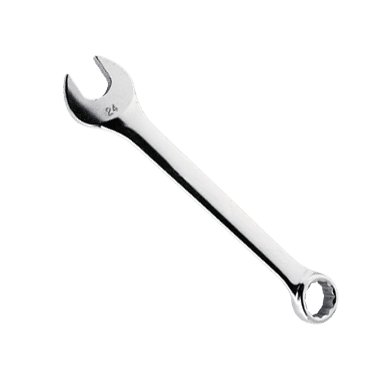
- 10mm socket
- 13mm socket
- 15mm socket
- 16mm line wrench
- 3/8-inch drive ratchet
- 1/2-inch drive breaker bar
- Serpentine belt tool (specialty)
- Power steering pulley remover and installer kit (specialty)
- Flat-blade screwdriver
- Hose clamp pliers
- Drain pan
- Shop towels
- Torque wrench rated 10-100 ft-lbs
- Fender cover
- Nitrile gloves
- Safety glasses
🔩 Required Parts
HowToo sells all the parts you need for this repair:
- Power steering pump - Qty: 1
- Power steering pump pulley - Qty: 1 if damaged or not transferable
- Power steering fluid ATF+4 - Qty: 2 quarts
- Power steering pressure hose sealing O-ring - Qty: 1
- Power steering return hose clamp - Qty: 1 if original clamp is weak or damaged
- Serpentine belt - Qty: 1 if cracked, glazed, or oil-soaked
📋 Before You Begin
- 🅿️ Park your Wrangler on level ground, shift to neutral, apply the parking brake, and chock the wheels.
- 🔋 Use a 10mm socket to disconnect the negative battery cable and move it aside so it cannot touch the terminal.
- 🧴 Confirm you have ATF+4 fluid. Your Wrangler uses ATF+4 in the power steering system, not generic power steering fluid.
- 🧰 A power steering pulley remover and installer is a specialty tool that pulls the pulley off and presses it back on without bending it.
- 🧰 A line wrench grips more sides of a fluid-line fitting than a regular wrench, helping prevent rounded fittings.
🔨 Step-by-Step Instructions
Follow these steps in order:
Step 1: Remove the Engine Cover Area Access
- Put on safety glasses and nitrile gloves.
- Place a fender cover over the front fender to protect the paint.
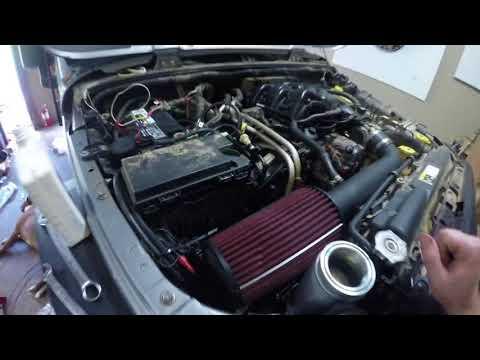
- Use a flat-blade screwdriver to loosen the intake tube clamp if extra room is needed near the power steering pump.
- Move any loose intake ducting gently out of the way.
Step 2: Relieve Belt Tension
- Take a clear photo of the serpentine belt routing before removal.
- Use a serpentine belt tool or 1/2-inch drive breaker bar on the belt tensioner.
- Rotate the tensioner to release belt tension, then slide the belt off the power steering pump pulley.
- Slowly release the tensioner. Do not let it snap back.
- Tip: Keep fingers away from pulleys.
Step 3: Drain the Power Steering Reservoir
- Place a drain pan below the power steering pump.
- Use shop towels around the pump and hoses to catch fluid.
- Use hose clamp pliers to compress the return hose clamp.
- Slide the clamp back on the hose, then carefully twist and pull the return hose off the pump reservoir nipple.
- Let the fluid drain into the drain pan.
Step 4: Disconnect the Pressure Hose
- Use a 16mm line wrench to loosen the high-pressure power steering line fitting at the pump.
- Turn the fitting slowly so the line does not twist.
- Remove the pressure line and catch any leaking fluid with shop towels.
- Remove and discard the old sealing O-ring from the pressure hose fitting.
- Tip: Do not reuse flattened O-rings.
Step 5: Remove the Power Steering Pump Pulley
- Install the power steering pulley remover from the specialty kit onto the pump pulley hub.
- Use the pulley remover tool exactly as supplied to pull the pulley straight off the pump shaft.
- Do not pry on the pulley with a screwdriver. It can bend and cause belt noise.
- Set the pulley aside if it will be reused.
Step 6: Remove the Pump Mounting Bolts
- Use a 13mm socket and 3/8-inch drive ratchet to remove the power steering pump mounting bolts.
- Support the pump with one hand while removing the final bolt.
- Lift the pump out of the engine bay carefully so remaining fluid does not spill.
Step 7: Compare the New Pump
- Place the old and new pump side by side on a clean surface.
- Confirm the hose ports, mounting ears, reservoir shape, and pulley shaft match.
- Transfer any required brackets using a 13mm socket if your replacement pump does not include them.
- If a bracket bolt is removed and reinstalled, tighten it securely with the torque wrench when specification is available from the bracket hardware type.
Step 8: Install the New Pump
- Position the new pump in the bracket by hand.
- Start all mounting bolts by hand first to avoid cross-threading.
- Use a 13mm socket to snug the bolts evenly.
- Use a torque wrench to tighten the pump mounting bolts to Torque to 28 Nm (21 ft-lbs).
Step 9: Install the Pulley
- Use the power steering pulley installer from the specialty kit to press the pulley onto the new pump shaft.
- Press the pulley on slowly until the pulley face aligns with the other belt pulleys.
- Use a straight visual check across the pulley grooves to confirm alignment.
- Do not hammer the pulley onto the shaft.
- Tip: Misalignment causes belt squeal.
Step 10: Reconnect the Pressure Hose
- Install a new power steering pressure hose sealing O-ring on the line fitting.
- Lightly coat the O-ring with clean ATF+4 fluid using a gloved finger.
- Thread the pressure line fitting into the pump by hand first.
- Use a 16mm line wrench to tighten the fitting.
- Tighten the pressure hose fitting to Torque to 31 Nm (23 ft-lbs).
Step 11: Reconnect the Return Hose
- Push the return hose fully onto the pump reservoir nipple.
- Use hose clamp pliers to move the clamp back into its original position.
- Replace the clamp if it feels weak, rusty, or does not hold tightly.
Step 12: Reinstall the Serpentine Belt
- Route the serpentine belt around all pulleys using your photo as a guide.
- Use the serpentine belt tool or 1/2-inch drive breaker bar to rotate the tensioner.
- Slip the belt over the power steering pump pulley last.
- Release the tensioner slowly.
- Check that the belt ribs are seated correctly in every pulley groove.
Step 13: Refill the System
- Remove the power steering reservoir cap by hand.
- Add ATF+4 fluid until the level reaches the cold fill range on the reservoir dipstick or mark.
- Do not overfill. Fluid expands when hot.
Step 14: Bleed Air From the System
- Reconnect the negative battery cable using a 10mm socket.
- With the engine OFF, turn the steering wheel slowly from full left to full right 15-20 times.
- Check the fluid level and add ATF+4 as needed.
- Start the engine and let it idle.
- Turn the steering wheel slowly left and right several more times without holding it against the stop.
- Shut the engine off and recheck the fluid level.
- If the fluid is foamy, let it sit for 10-15 minutes, then repeat the bleeding process.
- Tip: Never hold steering at full lock.
Step 15: Check for Leaks and Final Fit
- Use a flashlight to inspect the pressure hose fitting, return hose, pump body, and reservoir area.
- Use shop towels to wipe any spilled fluid clean.
- If the intake duct was moved, reinstall it and tighten the clamp with a flat-blade screwdriver.
- Confirm the belt tracks smoothly while the engine idles.
✅ After Repair
- ✅ Test drive your Wrangler at low speed first and confirm steering assist feels smooth and quiet.
- ✅ Recheck the power steering fluid level after the test drive and top off with ATF+4 if needed.
- ✅ Inspect again for leaks after the engine reaches operating temperature.
- ✅ A slight whine may happen briefly if tiny air bubbles remain, but it should fade after proper bleeding.
- ✅ Dispose of used power steering fluid safely at a local fluid recycling or service facility.
💰 DIY vs Shop Cost
Shop Cost: $450-$750 (parts + labor)
DIY Cost: $180-$350 (parts only)
You Save: $270-$400 by doing it yourself!
Shop labor rates vary but typically run $100-$150/hour. This repair takes a shop approximately 1.5-2.5 hours.
🎯 Ready to get started?
HowToo makes it easy: same-day/2-day shipping on every part, plus all the tools and specialty tools you need! Check out the parts and tools sections below to add everything to your cart.