





How to Replace the Power Steering Pump on a 2011-2013 Subaru Forester (Engine: Flat 4 2.5L)
Step-by-step DIY guide with tools, parts, torque specs, bleeding tips, and leak checks for 2011, 2012, 2013
How to Replace the Power Steering Pump on a 2011-2013 Subaru Forester (Engine: Flat 4 2.5L)
Step-by-step DIY guide with tools, parts, torque specs, bleeding tips, and leak checks for 2011, 2012, 2013


🔧 Forester - Power Steering Pump Replacement
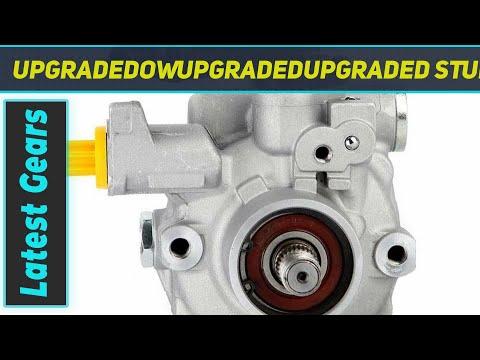
This repair replaces the hydraulic power steering pump on your Forester. The pump creates pressure to help turn the steering wheel, and a failing pump can cause whining noise, heavy steering, fluid leaks, or foamy fluid.
Difficulty Level: Intermediate | Estimated Time: 2-3 hours
⚠️ Safety & Precautions
- ⚠️ Power steering fluid can damage paint, so wipe spills right away with shop towels.
- ⚠️ Work only with the engine off and cool before removing hoses.
- ⚠️ Do not start the engine with the pump empty, or the new pump can be damaged.
- ⚠️ Keep hands, tools, and clothing away from the belt and pulleys when checking for leaks.
- ⚠️ Battery disconnect is not required for this repair, but keep the key out of the ignition while working.
🔧 Required Tools
You'll need the following tools for this repair:
- 10mm socket
- 12mm socket
- 14mm socket
- 17mm wrench
- 3/8-inch ratchet
- 3/8-inch drive extension
- Torque wrench 10-80 ft-lbs
- Flat-blade screwdriver
- Pliers
- Hose pinch-off pliers
- Drain pan
- Fluid transfer pump
- Shop towels
- Fender cover
- Nitrile gloves
- Safety glasses
🔩 Required Parts
HowToo sells all the parts you need for this repair:
- Power steering pump - Qty: 1
- Power steering pump O-ring seal kit - Qty: 1
- Power steering fluid or Dexron III/Mercon ATF equivalent - Qty: 1-2 quarts
- Accessory drive belt - Qty: 1
- Power steering return hose clamp - Qty: 1-2
📋 Before You Begin
- 🅿️ Park your Forester on level ground, set the parking brake, and let the engine cool.
- 🧤 Put on safety glasses and gloves before opening the power steering system.
- 🧽 Place a fender cover over the left front fender to protect the paint.
- 🧰 A hose pinch-off plier gently squeezes a rubber hose closed to reduce fluid spills.
- 💧 Use clean fluid only. Dirt inside the power steering system can damage the new pump.
🔨 Step-by-Step Instructions
Follow these steps in order:
Step 1: Remove Fluid From The Reservoir
- Use a fluid transfer pump to remove as much old power steering fluid as possible from the reservoir.
- Direct the old fluid into a drain pan.
- Use shop towels around the reservoir to catch drips.
- Less fluid means less mess.
Step 2: Remove The Engine Cover Area Obstructions
- Use a 10mm socket to remove any small brackets or covers blocking access to the power steering pump.
- Set the bolts aside in order so they go back in the same places.
Step 3: Loosen The Accessory Belt
- Use a 12mm socket to loosen the power steering belt adjuster lock bolt.
- Use a 12mm socket to turn the adjuster bolt counterclockwise until the belt is loose.
- Remove the belt by hand from the power steering pump pulley.
- Inspect the belt. If it is cracked, glazed, noisy, or oil-soaked, replace it now.
Step 4: Disconnect The Return Hose
- Place a drain pan under the pump area.
- Use hose pinch-off pliers to gently clamp the rubber return hose.
- Use pliers to slide the spring clamp back from the pump nipple.
- Use a flat-blade screwdriver gently to break the hose loose if it is stuck.
- Pull the hose off by hand and aim it into the drain pan.
Step 5: Disconnect The Pressure Hose
- Use a 17mm wrench to loosen the high-pressure hose fitting at the pump.
- Remove the fitting carefully so you do not bend the metal line.
- Remove and discard the old sealing O-ring or washer from the fitting if equipped.
- Use shop towels to plug or cover the open line ends to keep dirt out.
Step 6: Remove The Power Steering Pump
- Use a 12mm socket and 14mm socket to remove the pump mounting bolts and adjuster bracket bolts.
- Support the pump by hand while removing the last bolt.
- Lift the pump out of the engine bay carefully.
- Do not spill remaining fluid onto the alternator or belt area.
Step 7: Transfer Parts To The New Pump
- Compare the old and new pump side by side before installation.
- If the pulley must be transferred, use the correct 12mm socket or 14mm socket as applicable to remove the pulley fastener.
- Install new O-rings from the power steering pump O-ring seal kit.
- Lightly coat new O-rings with fresh power steering fluid before assembly.
- Never reuse flattened O-rings.
Step 8: Install The New Pump
- Position the new pump on the bracket by hand.
- Use a 12mm socket and 14mm socket to install the mounting bolts finger-tight first.
- Use a torque wrench 10-80 ft-lbs to tighten the pump mounting bolts to Torque to 25 Nm (18 ft-lbs).
- Make sure the pump sits flat against the bracket before final tightening.
Step 9: Reconnect The Pressure Hose
- Install the new seal on the pressure hose fitting.
- Thread the fitting into the pump by hand first to avoid cross-threading.
- Use a 17mm wrench to snug the fitting.
- Use a torque wrench 10-80 ft-lbs with the correct adapter if available and tighten the pressure fitting to Torque to 39 Nm (29 ft-lbs).
Step 10: Reconnect The Return Hose
- Push the return hose fully onto the pump nipple by hand.
- Use pliers to position the clamp behind the raised bead on the nipple.
- Remove the hose pinch-off pliers.
- Replace the clamp if it feels weak or rusty.
Step 11: Reinstall And Tension The Belt
- Route the accessory belt over the correct pulleys by hand.
- Use a 12mm socket to turn the adjuster bolt clockwise until the belt is properly tensioned.
- At the longest belt span, press with your thumb. A used belt should deflect about 7-9 mm, and a new belt should deflect about 5-7 mm.
- Use a 12mm socket to tighten the adjuster lock bolt.
- Use a torque wrench 10-80 ft-lbs to tighten the lock bolt to Torque to 18 Nm (13 ft-lbs).
Step 12: Fill The Reservoir
- Use fresh power steering fluid or Dexron III/Mercon ATF equivalent.
- Fill the reservoir to the COLD MAX mark.
- Use shop towels to wipe spilled fluid from the pump, hoses, and belt area.
Step 13: Bleed Air From The System
- Leave the engine off.
- Turn the steering wheel slowly from full left to full right 10-15 times.
- Do not hold the wheel hard against the stop.
- Check the fluid level and add fluid as needed.
- Start the engine and let it idle.
- Use your eyes only to check for leaks around both hose connections.
- Turn the steering wheel slowly left and right several more times.
- If the fluid looks foamy, shut the engine off and let the air bubbles settle for 10-15 minutes.
Step 14: Final Leak Check
- Use a flashlight if available to inspect the pump body, pressure fitting, return hose, and reservoir area.
- Use shop towels to clean any remaining fluid.
- Confirm the belt tracks straight on the pulley while the engine idles.
✅ After Repair
- ✅ Recheck the power steering fluid level after the first short drive.
- ✅ Listen for whining noise while turning. A brief noise at first can be trapped air, but it should go away after bleeding.
- ✅ Check for leaks again after the engine reaches normal operating temperature.
- ✅ Recheck belt tension after a few days, especially if a new belt was installed.
- ✅ Properly recycle the old fluid according to local waste rules.
💰 DIY vs Shop Cost
Shop Cost: $450-$850 (parts + labor)
DIY Cost: $180-$450 (parts only)
You Save: $270-$400 by doing it yourself!
Shop labor rates vary but typically run $100-$150/hour. This repair takes a shop approximately 1.5-2.5 hours.
🎯 Ready to get started?
HowToo makes it easy: same-day/2-day shipping on every part, plus all the tools and specialty tools you need! Check out the parts and tools sections below to add everything to your cart.