

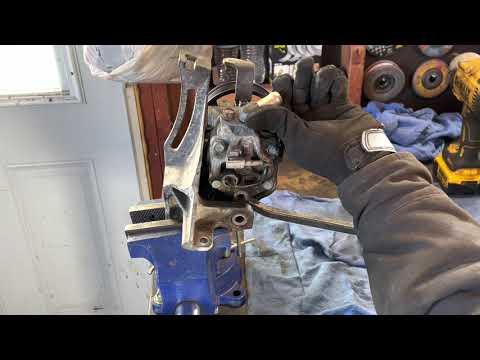





How to Replace the Power Steering Pump on a 2010-2014 Subaru Outback (Engine: Flat 6 3.6L)
Step-by-step DIY guide with tools, parts, torque specs, bleeding tips, and safety checks for 2010, 2011, 2012
How to Replace the Power Steering Pump on a 2010-2014 Subaru Outback (Engine: Flat 6 3.6L)
Step-by-step DIY guide with tools, parts, torque specs, bleeding tips, and safety checks for 2010, 2011, 2012


🔧 Power Steering Pump - Replacement
This job replaces the hydraulic power steering pump on your Outback. The pump creates the fluid pressure that makes steering easy, so a failing pump can cause whining noise, heavy steering, leaks, or foamy fluid.
Difficulty Level: Intermediate | Estimated Time: 2-3 hours
⚠️ Safety & Precautions
- ⚠️ Work only with the engine completely cool to avoid burns from nearby exhaust and engine parts.
- ⚠️ Power steering fluid is slippery and flammable. Wipe spills immediately and keep it off belts, pulleys, and hot parts.
- ⚠️ Never run the engine with fingers, clothing, or tools near the serpentine belt or pulleys.
- ⚠️ Use eye protection because fluid can spray when hoses are removed.
- ⚠️ Battery disconnect is not normally required for this repair, but keep the key out of the ignition while working near the belt.
🔧 Required Tools
You'll need the following tools for this repair:
- 10mm socket
- 12mm socket
- 14mm socket
- 3/8-inch drive ratchet
- 3/8-inch drive torque wrench
- 12mm wrench
- 14mm wrench
- 19mm wrench
- Flat-blade screwdriver
- Hose pinch-off pliers (specialty)
- Drain pan
- Turkey baster or fluid syringe
- Shop towels
- Fender cover
- Safety glasses
- Nitrile gloves
🔩 Required Parts
HowToo sells all the parts you need for this repair:
- Power steering pump - Qty: 1
- Power steering pump O-ring kit - Qty: 1
- Power steering fluid or automatic transmission fluid meeting Subaru specification - Qty: 2 quarts
- Power steering hose clamps - Qty: 2
- Serpentine belt - Qty: 1
📋 Before You Begin
- 🅿️ Park your Outback on level ground and set the parking brake.
- 🧊 Let the engine cool fully before touching hoses or the pump.
- 🧽 Clean the area around the power steering pump cap and hoses with shop towels so dirt does not enter the system.
- 📌 Place a fender cover over the passenger-side front fender to protect paint while you lean over the engine bay.
- 💡 A hose pinch-off plier gently squeezes a rubber hose closed to reduce fluid loss without damaging the hose.
- 💡 A torque wrench tightens bolts to the correct tightness so they are not too loose or too tight.
🔨 Step-by-Step Instructions
Follow these steps in order:
Step 1: Remove Fluid From Reservoir
- Open the hood and locate the power steering fluid reservoir at the front of the engine near the pump.
- Use a turkey baster or fluid syringe to remove as much old fluid as possible from the reservoir.
- Drain the fluid into a drain pan.
- Use shop towels to wipe the reservoir cap and surrounding area clean.
- Less fluid now means less mess later.
Step 2: Loosen The Serpentine Belt
- Locate the serpentine belt at the front of the engine. This belt drives the power steering pump and other accessories.
- Use a 14mm socket and 3/8-inch drive ratchet on the belt tensioner pulley bolt.
- Rotate the tensioner slowly to release belt tension.
- Slide the belt off the power steering pump pulley by hand.
- If replacing the belt, remove it fully from all pulleys and note the belt routing before removal.
- Take a photo before removing the belt.
Step 3: Disconnect The Return Hose
- Place a drain pan under the power steering pump area.
- Use hose pinch-off pliers on the low-pressure return hose to reduce fluid loss.
- Use pliers or a flat-blade screwdriver to move the hose clamp away from the pump fitting.
- Twist the hose gently by hand to break it loose.
- Pull the hose off the pump fitting and let remaining fluid drain into the pan.
- Plug the hose end with a clean shop towel to keep dirt out.
Step 4: Disconnect The High-Pressure Line
- Locate the metal high-pressure line attached to the power steering pump.
- Use a 19mm wrench to loosen the high-pressure line fitting.
- Hold the line steady while loosening so the metal tube does not bend.
- Remove the fitting by hand once loose.
- Remove and discard the old sealing O-ring if equipped on the fitting.
- Cover the open line with a clean shop towel.
Step 5: Remove Pump Mounting Bolts
- Use a 12mm socket and 3/8-inch drive ratchet to remove the front power steering pump mounting bolts.
- Use a 14mm socket and 3/8-inch drive ratchet to remove any larger rear or bracket bolts holding the pump to the engine bracket.
- Support the pump with one hand while removing the final bolt.
- Lift the pump out of the engine bay carefully.
- If a bracket must be transferred, use a 12mm socket to remove it from the old pump.
Step 6: Transfer Brackets And Pulley If Needed
- Compare the old pump and new pump side by side.
- If the mounting bracket is not included on the new pump, use a 12mm socket to transfer the bracket from the old pump to the new one.
- If your replacement pump does not include a pulley, use the correct pulley service tool from the pump supplier. Do not hammer the pulley on or off.
- Install transferred bracket bolts with a 12mm socket and torque wrench.
- Torque to 18 Nm (13 ft-lbs) unless the replacement pump instructions specify otherwise.
Step 7: Install The New Pump
- Lower the new power steering pump into position by hand.
- Start all mounting bolts by hand first to prevent cross-threading.
- Use a 12mm socket and 14mm socket to snug the pump mounting bolts.
- Use a 3/8-inch drive torque wrench to tighten the smaller pump bolts.
- Torque to 18 Nm (13 ft-lbs)
- Use a 3/8-inch drive torque wrench to tighten larger bracket bolts if removed.
- Torque to 33 Nm (24 ft-lbs)
Step 8: Reconnect The High-Pressure Line
- Install the new O-ring from the power steering pump O-ring kit on the pressure fitting.
- Lightly wet the O-ring with clean power steering fluid using a gloved finger.
- Thread the high-pressure line fitting into the pump by hand.
- Use a 19mm wrench to tighten the fitting.
- Torque to 34 Nm (25 ft-lbs)
- Do not overtighten the fitting because the aluminum pump housing can be damaged.
Step 9: Reconnect The Return Hose
- Remove the shop towel from the return hose.
- Slide the hose fully onto the pump fitting by hand.
- Install a new hose clamp if the old clamp is weak or rusty.
- Use pliers or a flat-blade screwdriver to position the clamp behind the raised bead on the pump fitting.
- Remove the hose pinch-off pliers.
Step 10: Reinstall The Serpentine Belt
- Route the serpentine belt over the pulleys using your routing photo.
- Use a 14mm socket and 3/8-inch drive ratchet to rotate the belt tensioner.
- Slide the belt onto the power steering pump pulley by hand.
- Slowly release the tensioner.
- Check that the belt ribs are fully seated in every pulley groove.
- A mis-seated belt can shred quickly.
Step 11: Refill The Reservoir
- Use clean power steering fluid or Subaru-approved automatic transmission fluid and fill the reservoir to the cold mark.
- Keep the cap off for the bleeding step.
- Use shop towels to wipe spilled fluid from the pump, hoses, belt area, and frame rail.
Step 12: Bleed Air From The System
- With the engine off, slowly turn the steering wheel from full left to full right 10 times.
- Do not hold the wheel hard against the stops.
- Check the reservoir level and add fluid as needed.
- Start the engine and let it idle.
- Use safety glasses and watch the reservoir. Foamy fluid means air is still present.
- Slowly turn the steering wheel left and right several more times.
- Shut the engine off and recheck the fluid level.
- Repeat until the fluid is clear, quiet, and no longer foamy.
✅ After Repair
- ✅ Start the engine and listen for whining, squealing, or grinding from the pump area.
- ✅ Turn the steering wheel slowly in both directions and confirm assist feels smooth.
- ✅ Inspect the high-pressure fitting, return hose, and pump body for leaks.
- ✅ Recheck the serpentine belt alignment with a flashlight.
- ✅ Road test your Outback at low speed first, then recheck the fluid level after the test drive.
- ✅ If fluid looks foamy after several bleed cycles, shut the engine off and let the vehicle sit 20-30 minutes before bleeding again.
- ♻️ Dispose of old power steering fluid properly at a recycling center or parts store that accepts used fluids.
💰 DIY vs Shop Cost
Shop Cost: $550-$950 (parts + labor)
DIY Cost: $180-$450 (parts only)
You Save: $370-$500 by doing it yourself!
Shop labor rates vary but typically run $100-$150/hour. This repair takes a shop approximately 2-3 hours.
🎯 Ready to get started?
HowToo makes it easy: same-day/2-day shipping on every part, plus all the tools and specialty tools you need! Check out the parts and tools sections below to add everything to your cart.