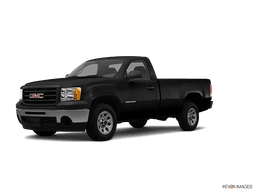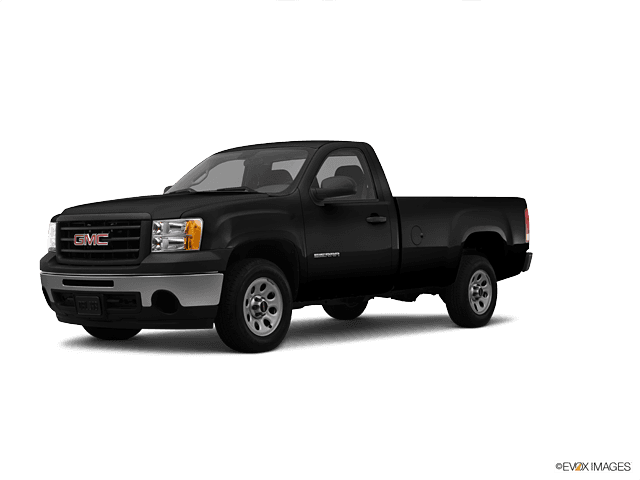





How to Replace the Power Steering Pump on a 2007-2013 GMC Sierra 1500 (Trim: WT | Engine: V8 5.3L)
Step-by-step DIY guide with tools, parts, torque specs, bleeding tips, and safety checks for 2007, 2008, 2009, 2010, 2011, 2012, 2013
How to Replace the Power Steering Pump on a 2007-2013 GMC Sierra 1500 (Trim: WT | Engine: V8 5.3L)
Step-by-step DIY guide with tools, parts, torque specs, bleeding tips, and safety checks for 2007, 2008, 2009, 2010, 2011, 2012, 2013


🔧 Sierra 1500 - Power Steering Pump Replacement
Replacing the power steering pump on your Sierra 1500 involves removing the serpentine belt, disconnecting the power steering lines, transferring or replacing the pump pulley, then refilling and bleeding the system. The pump supplies hydraulic pressure to help you steer, so leaks, whining noise, or heavy steering are common reasons for replacement.
Difficulty Level: Intermediate | Estimated Time: 2-4 hours
⚠️ Safety & Precautions
- ⚠️ Work with the engine off and cool. Hot fluid and moving belts can injure you.
- ⚠️ Power steering fluid is slippery and flammable. Wipe spills right away.
- ⚠️ Do not start the engine with the power steering pump empty. It can damage the new pump quickly.
- ⚠️ Support the truck securely with jack stands if lifting the front wheels. Never rely on a jack alone.
- ⚠️ Battery disconnect is not normally required for this repair, but keep hands and tools away from the battery positive terminal.
🔧 Required Tools
You'll need the following tools for this repair:
- 3/8-inch drive ratchet
- 1/2-inch drive ratchet
- 15mm socket
- 10mm socket
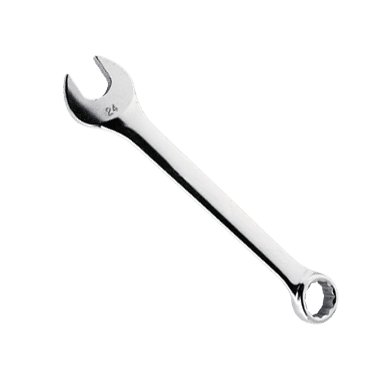
- 18mm flare nut wrench
- 16mm flare nut wrench
- Power steering pulley remover and installer kit (specialty)
- Serpentine belt tool (specialty)
- Flat-blade screwdriver
- Pliers
- Torque wrench rated 10-100 ft-lbs
- Drain pan
- Fluid transfer pump
- Shop towels
- Floor jack rated 3-ton minimum
- Jack stands rated 3-ton minimum
- Wheel chocks
- Nitrile gloves
- Safety glasses
🔩 Required Parts
HowToo sells all the parts you need for this repair:
- Power steering pump - Qty: 1
- Power steering fluid - Qty: 2 quarts
- Power steering pressure hose O-ring or seal kit - Qty: 1
- Power steering return hose clamp - Qty: 1
- Serpentine belt - Qty: 1
📋 Before You Begin
- Park your Sierra 1500 on level ground, shift to Park, and set the parking brake.
- Place wheel chocks behind the rear wheels.
- Let the engine cool before working near the belt, fan, and hoses.
- If you lift the front of the truck for bleeding, use a floor jack and place jack stands under the frame.
- A flare nut wrench is a line wrench that grips more sides of a fluid fitting, helping prevent rounded power steering line nuts.
- A pulley remover and installer is a specialty tool used to press the pulley off and back onto the pump without bending it.
🔨 Step-by-Step Instructions
Follow these steps in order:
Step 1: Remove Fluid From Reservoir
- Put on safety glasses and nitrile gloves.
- Use a fluid transfer pump to remove as much old power steering fluid as possible from the reservoir.
- Place a drain pan under the pump area to catch remaining fluid.
- Less fluid now means less mess later.
Step 2: Remove The Serpentine Belt
- Find the belt routing diagram sticker under the hood. Take a picture with your phone if it is hard to read.
- Use a serpentine belt tool or 1/2-inch drive ratchet on the belt tensioner.
- Rotate the tensioner to release belt tension, then slide the belt off the power steering pump pulley.
- Slowly release the tensioner. Do not let it snap back.
Step 3: Remove The Power Steering Pulley
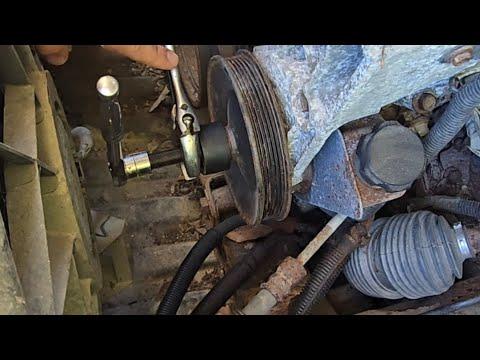
- Use the power steering pulley remover and installer kit to pull the pulley off the pump shaft.
- Follow the tool kit instructions closely. The puller grabs the groove in the pulley hub and draws it off straight.
- Do not pry on the pulley with a screwdriver. It bends easily.
- Keep the pulley straight during removal.
Step 4: Disconnect The Return Hose
- Use pliers to squeeze the return hose clamp and slide it back on the hose.
- Use a flat-blade screwdriver gently to break the hose loose if it is stuck.
- Pull the return hose off the pump fitting and aim it into the drain pan.
- Plug or raise the hose to reduce dripping.
Step 5: Disconnect The Pressure Line
- Use an 18mm flare nut wrench or 16mm flare nut wrench, depending on the line fitting installed, to loosen the high-pressure power steering line at the pump.
- Turn slowly and keep the wrench square on the fitting to avoid rounding it.
- Remove the line and old seal or O-ring from the pump fitting area.
- Do not reuse a damaged pressure line seal.
Step 6: Remove The Pump Mounting Bolts
- Use a 15mm socket and 3/8-inch drive ratchet to remove the power steering pump mounting bolts through the pulley opening area.
- Support the pump by hand as the last bolt comes out.
- Remove the pump from the bracket.
- Keep the bolts organized so they go back in the same locations.
Step 7: Prepare The New Pump
- Compare the new pump to the old pump on the bench.
- Use shop towels to clean the mounting bracket area.
- If the new pump does not include a reservoir, transfer the reservoir only if the replacement pump instructions allow it.
- Install a new pressure line seal or O-ring from the power steering pressure hose O-ring or seal kit.
Step 8: Install The New Pump
- Position the new pump in the bracket by hand.
- Start all mounting bolts by hand first to avoid cross-threading.
- Use a 15mm socket and torque wrench rated 10-100 ft-lbs to tighten the pump mounting bolts.
- Torque to 50 Nm (37 ft-lbs).
Step 9: Reconnect The Pressure Line And Return Hose
- Thread the pressure line fitting into the pump by hand first.
- Use an 18mm flare nut wrench or 16mm flare nut wrench to snug the pressure line fitting.
- Torque to 27 Nm (20 ft-lbs) if your torque wrench and crowfoot adapter setup allows accurate access.
- Push the return hose fully onto the pump nipple.
- Use pliers to install the new return hose clamp behind the raised bead on the fitting.
Step 10: Install The Pulley On The New Pump
- Use the power steering pulley remover and installer kit in installer mode to press the pulley onto the new pump shaft.
- Press the pulley on until the pulley face aligns with the other belt pulleys.
- Do not hammer the pulley. Hammering can ruin the new pump bearing.
- Use a straightedge from the pulley kit if included to verify alignment.
Step 11: Reinstall The Serpentine Belt
- Route the belt according to the under-hood belt diagram.
- Use the serpentine belt tool or 1/2-inch drive ratchet to rotate the tensioner.
- Slip the belt over the power steering pump pulley last, then slowly release the tensioner.
- Check that the belt ribs sit correctly in every pulley groove.
Step 12: Fill The System
- Remove the power steering reservoir cap.
- Add power steering fluid until the level reaches the cold mark on the dipstick or reservoir indicator.
- Keep the cap off for the first part of bleeding.
- Do not overfill. The fluid level will change while air comes out.
Step 13: Bleed The Power Steering System
- Use a floor jack rated 3-ton minimum to lift the front of the truck enough that both front tires are off the ground.
- Place jack stands rated 3-ton minimum securely under the frame.
- With the engine off, turn the steering wheel slowly from left stop to right stop 15-20 times.
- Check the fluid level often and add power steering fluid as needed.
- Start the engine for 2-3 seconds, then shut it off and check fluid level.
- Restart the engine and slowly turn the wheel left and right. Do not hold it against the stop.
- Continue until the fluid is not foamy and the pump is quiet.
- Foamy fluid means air is still trapped.
Step 14: Final Leak Check
- Use shop towels to dry the pump, hoses, and fittings.
- With the engine running, inspect the pressure line, return hose, reservoir area, and pump body for leaks.
- Turn the steering wheel slowly while watching for leaks.
- Recheck the fluid level and install the reservoir cap.
✅ After Repair
- ✅ Road test your Sierra 1500 at low speed first. Steering should feel smooth and even.
- ✅ Recheck the power steering fluid level after the first drive and again the next day.
- ✅ Inspect for leaks around the pressure line fitting, return hose, and pump shaft seal.
- ✅ If the pump whines after bleeding, shut the engine off and let the fluid sit for 20-30 minutes, then bleed again.
- ✅ If steering assist is still weak, do not keep driving until the system is checked for trapped air, a restricted hose, or steering gear issue.
💰 DIY vs Shop Cost
Shop Cost: $450-$850 (parts + labor)
DIY Cost: $120-$300 (parts only)
You Save: $330-$550 by doing it yourself!
Shop labor rates vary but typically run $100-$150/hour. This repair takes a shop approximately 2-3 hours.
🎯 Ready to get started?
HowToo makes it easy: same-day/2-day shipping on every part, plus all the tools and specialty tools you need! Check out the parts and tools sections below to add everything to your cart.