







How to Replace the Oxygen Sensors on a 2018 Honda CR-V
Step-by-step instructions with tools, parts, torque specs, and safety tips for 2017, 2018, 2019, 2020, 2021, 2022
How to Replace the Oxygen Sensors on a 2018 Honda CR-V
Step-by-step instructions with tools, parts, torque specs, and safety tips for 2017, 2018, 2019, 2020, 2021, 2022


🔧 Oxygen Sensors - Replacement
Your CR-V uses an upstream air/fuel ratio sensor and a downstream oxygen sensor. Replacing both restores fuel control and catalyst monitoring if the sensors are slow, aged, or setting heater/signal codes.
Difficulty Level: Intermediate | Estimated Time: 1.5-2.5 hours
⚠️ Safety & Precautions
- Let the exhaust cool fully before starting. The exhaust and sensors get very hot.
- Disconnect the negative battery cable if you will be working near wiring connectors for a long time.
- Do not twist the sensor wiring. Unplug the connector before loosening the sensor.
- Use jack stands if you raise the vehicle. Never work under a vehicle supported only by a jack.
- Use penetrating oil on stubborn threads.
🔧 Required Tools
You'll need the following tools for this repair:
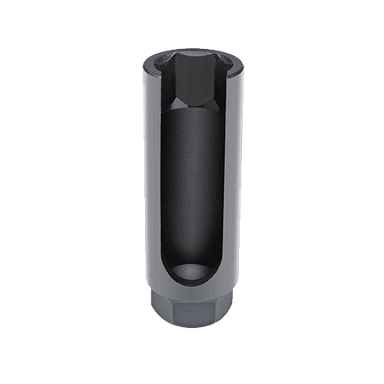
- 22mm oxygen sensor socket
- 3/8-inch ratchet
- 3/8-inch breaker bar
- Torque wrench
- Penetrating oil
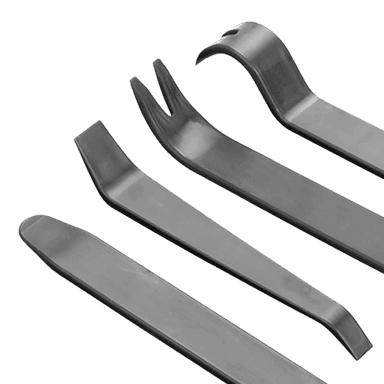
- Flat trim tool
- Gloves
- Safety glasses
- Jack stands
- Floor jack
- Wheel chocks
🔩 Required Parts
HowToo sells all the parts you need for this repair:
- Upstream air/fuel ratio sensor - Qty: 1
- Downstream oxygen sensor - Qty: 1
📋 Before You Begin
- Park on level ground and set the parking brake.
- Let the exhaust cool completely.
- If the vehicle has been run recently, wait until the catalytic converter and exhaust pipes are safe to touch.
- If you disconnect the battery, you may need to reset radio and window settings afterward.
🔨 Step-by-Step Instructions
Follow these steps in order:
Step 1: Access the sensors
- Open the hood for the upstream sensor.
- Raise the front of the vehicle with a floor jack and support it with jack stands for the downstream sensor.
- Use wheel chocks at the rear wheels.
Step 2: Disconnect the upstream sensor
- Locate the upstream air/fuel ratio sensor on the exhaust stream ahead of the catalytic converter.
- Use a flat trim tool to release any harness clips if needed.
- Unplug the electrical connector by pressing the lock tab and separating the connector.
- Unplug first, then loosen the sensor.
Step 3: Remove the upstream sensor
- Spray penetrating oil on the sensor threads if they are rusted.
- Use a 22mm oxygen sensor socket and 3/8-inch breaker bar to loosen the sensor.
- Remove the sensor by hand once it breaks free.
- Install the new upstream sensor by hand first to avoid cross-threading.
- Use a torque wrench to tighten the sensor to 33 Nm (24 ft-lbs).
Step 4: Reconnect the upstream sensor
- Route the wire exactly like the original so it will not touch the exhaust.
- Reconnect the electrical connector until it clicks.
- Reinstall any harness clips with the trim tool.
Step 5: Remove the downstream sensor
- Go under the vehicle and locate the downstream oxygen sensor behind the catalytic converter.
- Disconnect the sensor connector first.
- Spray penetrating oil on the threads if needed.
- Use a 22mm oxygen sensor socket, 3/8-inch ratchet, and breaker bar to remove the sensor.
- Install the new downstream sensor by hand first.
- Use a torque wrench to tighten the sensor to 33 Nm (24 ft-lbs).
Step 6: Reconnect the downstream sensor
- Route the harness away from the exhaust and moving parts.
- Reconnect the connector until it locks.
- Make sure the wire clips are secure.
Step 7: Reassemble and lower the vehicle
- Check both sensor wires for proper routing and clearance.
- Lower the vehicle carefully from the jack stands.
- Remove the wheel chocks.
✅ After Repair
- Start the engine and let it idle.
- Check for exhaust leaks or warning lights.
- If the check engine light was on, clear codes with a scan tool.
- Road test the vehicle and confirm no new codes return.
💰 DIY vs Shop Cost
Shop Cost: $350-$700 (parts + labor)
DIY Cost: $140-$320 (parts only)
You Save: $210-$380 by doing it yourself!
Shop labor rates vary but typically run $100-$150/hour. This repair takes a shop approximately 1.5-2.5 hours.
🎯 Ready to get started?
HowToo makes it easy: same-day/2-day shipping on every part, plus all the tools and specialty tools you need! Check out the parts and tools sections below to add everything to your cart.