






How to Replace the Oxygen Sensor on a 2017-2022 Ford Escape (Engine: Inline 4 2.0L)
Step-by-step DIY guide with sensor location, tools, torque specs, and code clearing for 2017, 2018, 2019, 2020, 2021, 2022
How to Replace the Oxygen Sensor on a 2017-2022 Ford Escape (Engine: Inline 4 2.0L)
Step-by-step DIY guide with sensor location, tools, torque specs, and code clearing for 2017, 2018, 2019, 2020, 2021, 2022


🔧 Escape - Oxygen Sensor Replacement
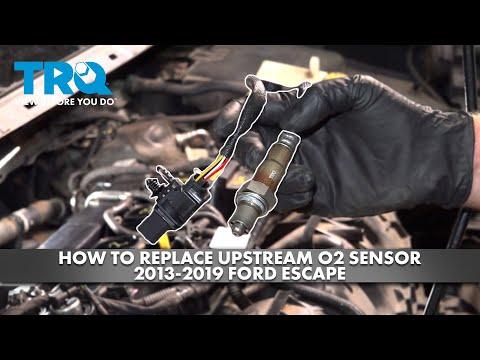
Your Escape uses heated oxygen sensors in the exhaust system to help the engine computer control fuel mixture and monitor catalytic converter efficiency. Replacing a failed oxygen sensor usually involves unplugging the sensor wiring, removing the sensor from the exhaust, installing the new one, and clearing any stored fault codes.
Assumption: This guide covers replacing a conventional upstream or downstream oxygen sensor on your Escape; exact access depends on which sensor has failed.
Difficulty Level: Intermediate | Estimated Time: 1-2 hours
⚠️ Safety & Precautions
- ⚠️ Work only on a completely cool exhaust. Oxygen sensors thread into exhaust parts that can cause severe burns.
- ⚠️ Support your Escape with jack stands before going underneath. Never rely on a floor jack alone.
- ⚠️ Disconnect the negative battery cable before unplugging oxygen sensor wiring to reduce the chance of electrical shorts.
- ⚠️ Wear safety glasses. Rust and debris can fall when working under the vehicle.
- ⚠️ Do not use impact tools on oxygen sensors. The exhaust bung threads can be damaged.
🔧 Required Tools
You'll need the following tools for this repair:
- 3/8-inch drive ratchet
- 3/8-inch drive 6-inch extension
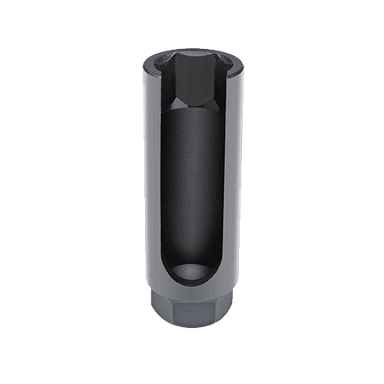
- 22mm oxygen sensor socket (specialty)
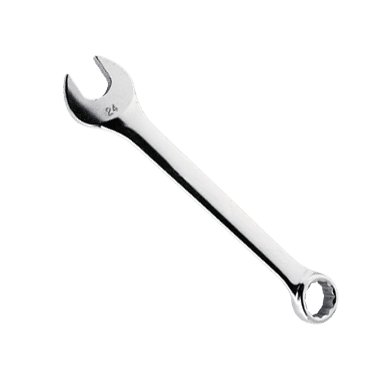
- 22mm open-end wrench
- 10mm socket
- Torque wrench rated 10-80 Nm
- OBD-II scan tool
- Trim clip removal tool
- Floor jack rated 3-ton minimum
- Jack stands rated 3-ton minimum
- Wheel chocks
- Nitrile gloves
- Safety glasses
- Work light
🔩 Required Parts
HowToo sells all the parts you need for this repair:
- Direct-fit oxygen sensor - Qty: 1
- Nickel anti-seize compound - Qty: 1 small packet
📋 Before You Begin
- Park your Escape on level ground, shift to Park, and apply the parking brake.
- Place wheel chocks behind the rear wheels if lifting the front.
- Let the exhaust cool for at least 1 hour before touching the sensor area.
- Use an OBD-II scan tool to identify the failed sensor location before replacing it. “Bank 1 Sensor 1” is upstream before the catalytic converter; “Bank 1 Sensor 2” is downstream after the catalytic converter.
- An oxygen sensor socket is a slotted 22mm socket that fits over the sensor wire while turning the sensor body.
- If the replacement sensor already has anti-seize on the threads, do not add more.
🔨 Step-by-Step Instructions
Follow these steps in order:
Step 1: Read the Trouble Code
- Use an OBD-II scan tool to read the stored diagnostic trouble code.
- Confirm whether the failed part is Bank 1 Sensor 1 or Bank 1 Sensor 2.
- Do not replace both sensors unless both are confirmed faulty.
- Tip: Match the code to the sensor location.
Step 2: Disconnect the Battery
- Open the hood and locate the battery.
- Use a 10mm socket to loosen the negative battery terminal clamp.
- Move the negative cable aside so it cannot spring back onto the battery post.
Step 3: Raise and Support the Vehicle
- Place wheel chocks behind the rear wheels.
- Use a floor jack rated 3-ton minimum at the front jacking point to raise your Escape.
- Place jack stands rated 3-ton minimum under the approved front support points.
- Gently lower the vehicle onto the jack stands and lightly shake the vehicle to confirm it is stable.
Step 4: Access the Oxygen Sensor
- Use a work light to locate the oxygen sensor in the exhaust.
- For Sensor 1, look near the turbocharger/downpipe area before the catalytic converter.
- For Sensor 2, look after the catalytic converter in the exhaust pipe.
- If an underbody shield blocks access, use a trim clip removal tool and 10mm socket to remove the fasteners.
- Set the shield and fasteners aside in order.
Step 5: Unplug the Sensor Connector
- Follow the oxygen sensor wire from the sensor body to the electrical connector.
- Press the locking tab by hand and unplug the connector.
- If the connector is clipped to a bracket, release it carefully with a trim clip removal tool.
- Do not pull on the wires.
Step 6: Remove the Old Oxygen Sensor
- Slide the wire through the slot of the 22mm oxygen sensor socket.
- Attach the 3/8-inch drive ratchet and 3/8-inch drive 6-inch extension if needed.
- Turn the sensor counterclockwise to loosen it.
- If space is tight, use a 22mm open-end wrench instead.
- Remove the sensor by hand once loose.
- Tip: Slow steady pressure works best.
Step 7: Prepare the New Oxygen Sensor
- Compare the new direct-fit oxygen sensor with the old one.
- Make sure the connector shape, wire length, and thread size match.
- If the threads are dry, apply a very small amount of nickel anti-seize compound only to the threads.
- Keep anti-seize away from the sensor tip. The tip is the small sensing end that sits inside the exhaust stream.
Step 8: Install the New Oxygen Sensor
- Thread the new sensor into the exhaust by hand first.
- Use the 22mm oxygen sensor socket and torque wrench rated 10-80 Nm to tighten it.
- Torque to 48 Nm (35 ft-lbs).
- Do not overtighten it. The exhaust threads can strip.
Step 9: Reconnect and Route the Wiring
- Plug the oxygen sensor connector back in until it clicks.
- Use your hands to route the wire exactly like the original.
- Keep the wire away from the exhaust, driveshaft, axle, and sharp edges.
- Reattach any connector clips to their brackets.
Step 10: Reinstall Any Removed Shielding
- Position the underbody shield if it was removed.
- Use a 10mm socket to reinstall the shield bolts.
- Use a trim clip removal tool by hand to seat any plastic clips.
- Tighten shield bolts snugly; do not overtighten plastic or thin shield fasteners.
Step 11: Lower the Vehicle and Reconnect the Battery
- Use the floor jack rated 3-ton minimum to raise the front slightly off the jack stands.
- Remove the jack stands rated 3-ton minimum.
- Lower your Escape slowly to the ground.
- Use a 10mm socket to reconnect the negative battery cable.
- Torque to 5 Nm (44 in-lbs).
Step 12: Clear Codes
- Turn the ignition on without starting the engine.
- Use the OBD-II scan tool to clear the stored oxygen sensor code.
- Start the engine and let it idle.
✅ After Repair
- ✅ Check that the engine idles smoothly and the check engine light stays off.
- ✅ Listen for exhaust leaks near the sensor. A ticking noise can mean the sensor is loose.
- ✅ Take a 10-15 minute test drive with gentle acceleration and steady cruising.
- ✅ Recheck for pending codes with the OBD-II scan tool after the drive.
- ✅ Some emissions monitors may need several drive cycles before showing “ready.”
💰 DIY vs Shop Cost
Shop Cost: $250-$550 (parts + labor)
DIY Cost: $60-$180 (parts only)
You Save: $190-$370 by doing it yourself!
Shop labor rates vary but typically run $100-$150/hour. This repair takes a shop approximately 0.7-1.5 hours.
🎯 Ready to get started?
HowToo makes it easy: same-day/2-day shipping on every part, plus all the tools and specialty tools you need! Check out the parts and tools sections below to add everything to your cart.