





How to Replace the Oxygen Sensor on a 2015-2018 Ford Mustang
Step-by-step DIY guide with sensor locations, tools, torque specs, and safety tips for 2015, 2016, 2017, 2018
How to Replace the Oxygen Sensor on a 2015-2018 Ford Mustang
Step-by-step DIY guide with sensor locations, tools, torque specs, and safety tips for 2015, 2016, 2017, 2018


🔧 Mustang - Oxygen Sensor Replacement
Replacing an oxygen sensor on your Mustang involves locating the correct sensor in the exhaust, unplugging its connector, removing the old sensor, and installing the new one. Oxygen sensors help the engine computer adjust fuel mixture, so a failing sensor can cause a check engine light, poor fuel economy, rough running, or failed emissions testing.
Difficulty Level: Beginner to Intermediate | Estimated Time: 1-2 hours
⚠️ Safety & Precautions
- ⚠️ Let the exhaust cool completely before starting. Oxygen sensors thread into the exhaust and can burn you badly.
- ⚠️ Work on level ground and support your Mustang with jack stands. Never rely on a floor jack alone.
- ⚠️ Disconnect the negative battery cable before unplugging sensor connectors.
- ⚠️ Do not pull on the sensor wiring. Pull only on the connector body.
- ⚠️ Use only oxygen-sensor-safe anti-seize if the new sensor does not already have coating on the threads.
🔧 Required Tools
You'll need the following tools for this repair:
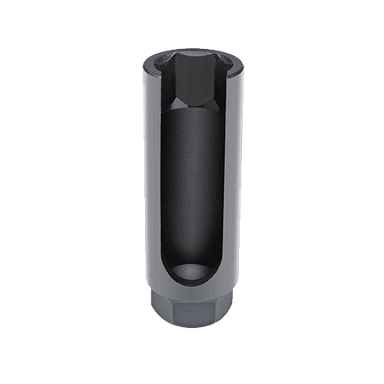
- 7/8 inch oxygen sensor socket (specialty)
- 3/8 inch drive ratchet
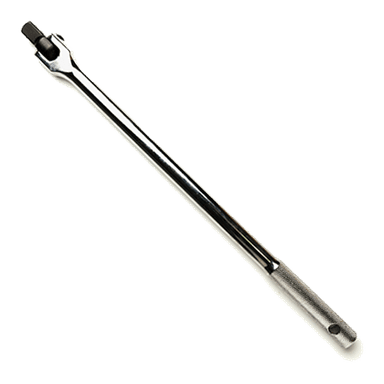
- 3/8 inch drive breaker bar
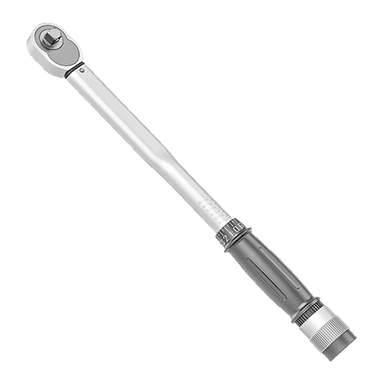
- 3/8 inch drive torque wrench
- 10mm socket
- Flat-head screwdriver
- Trim clip removal tool
- Floor jack (rated 3-ton minimum)
- Jack stands (rated 3-ton minimum)
- Wheel chocks
- Penetrating oil
- Safety glasses
- Mechanic gloves
- Shop light
- OBD-II scan tool
🔩 Required Parts
HowToo sells all the parts you need for this repair:
- Oxygen sensor - Qty: 1 per failed sensor
- Oxygen-sensor-safe anti-seize compound - Qty: 1 small packet
- Dielectric grease - Qty: 1 small packet
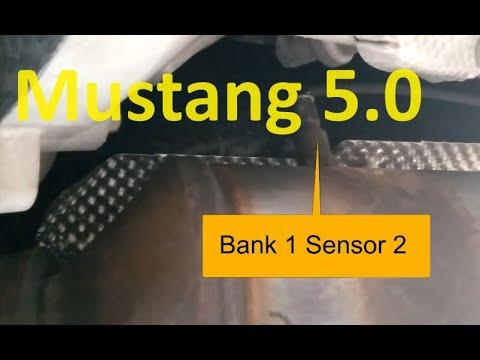
Note: Your Mustang has multiple oxygen sensors. Bank 1 is the passenger-side cylinder bank. Bank 2 is the driver-side cylinder bank. Sensor 1 is before the catalytic converter. Sensor 2 is after the catalytic converter.
📋 Before You Begin
- 🅿️ Park your Mustang on level ground, place the transmission in gear, and set the parking brake.
- 🧱 Place wheel chocks behind the rear wheels before lifting the front.
- 🔋 Use a 10mm socket to disconnect the negative battery cable.
- 🧰 If you have a check engine light, use an OBD-II scan tool first to identify which oxygen sensor has failed.
- 📍 Common code locations: P0131/P0132/P0133/P0135 usually relate to Bank 1 Sensor 1; P0151/P0152/P0153/P0155 usually relate to Bank 2 Sensor 1; P0136/P0141 relate to Bank 1 Sensor 2; P0156/P0161 relate to Bank 2 Sensor 2.
- 💡 An oxygen sensor socket is a special 7/8 inch socket with a slot cut into the side so the wire can pass through it.
🔨 Step-by-Step Instructions
Follow these steps in order:
Step 1: Lift and Support the Front
- Use wheel chocks behind the rear wheels to keep your Mustang from rolling.
- Use a floor jack to lift the front of the car at the approved front jacking point.
- Place jack stands under the approved front support points.
- Gently lower the car onto the jack stands and shake the car lightly to confirm it is stable.
- Never work under only a jack.
Step 2: Disconnect the Battery
- Open the hood.
- Use a 10mm socket to loosen the negative battery terminal clamp.
- Move the negative cable aside so it cannot spring back and touch the battery post.
Step 3: Identify the Correct Oxygen Sensor
- Use a shop light to look along the exhaust pipes underneath your Mustang.
- Bank 1 is the passenger side of the engine and exhaust.
- Bank 2 is the driver side of the engine and exhaust.
- Sensor 1 is mounted before the catalytic converter, closer to the engine.
- Sensor 2 is mounted after the catalytic converter, farther back in the exhaust.
- Use the OBD-II scan tool code to match the failed sensor location before removing anything.
Step 4: Remove Any Access Panel if Needed
- If an underbody shield or small access panel blocks the sensor connector, use a trim clip removal tool to remove plastic clips.
- Use a 10mm socket to remove any small shield fasteners if equipped.
- Set the clips and fasteners aside in order so they go back in the same place.
Step 5: Unplug the Oxygen Sensor Connector
- Follow the sensor wire from the exhaust sensor up to its electrical connector.
- Use a flat-head screwdriver to gently release the connector lock tab if your fingers cannot press it.
- Pull the connector halves apart by the plastic connector body, not by the wires.
- Release the wiring from any retaining clips by hand or with the trim clip removal tool.
Step 6: Loosen the Old Oxygen Sensor
- Spray penetrating oil where the oxygen sensor threads into the exhaust bung.
- Wait 5-10 minutes so the oil can soak into the threads.
- Slide the 7/8 inch oxygen sensor socket over the sensor wire and onto the sensor hex.
- Use a 3/8 inch drive breaker bar to turn the sensor counterclockwise.
- If it is very tight, apply more penetrating oil and work it loose slowly.
- Slow pressure beats sudden force.
Step 7: Remove the Old Oxygen Sensor
- Once loose, use the 3/8 inch drive ratchet and 7/8 inch oxygen sensor socket to unscrew the sensor fully.
- Remove the sensor and guide the wiring out without twisting nearby harnesses.
- Compare the old sensor to the new oxygen sensor to make sure the connector shape, wire length, and sensor style match.
Step 8: Prepare the New Oxygen Sensor
- Check the new oxygen sensor threads.
- If the threads already have a gray or silver coating, do not add anti-seize.
- If the threads are bare, apply a tiny amount of oxygen-sensor-safe anti-seize compound only to the threads.
- Keep anti-seize away from the sensor tip.
- Apply a very small amount of dielectric grease to the connector seal only, not the metal terminals.
Step 9: Install the New Oxygen Sensor
- Thread the new oxygen sensor into the exhaust by hand first.
- Make sure it turns smoothly for several turns before using a tool.
- Use the 7/8 inch oxygen sensor socket and 3/8 inch drive torque wrench to tighten the sensor.
- Torque to 48 Nm (35 ft-lbs)
- If access prevents a torque wrench from fitting, tighten the sensor snugly without over-tightening.
Step 10: Route and Plug In the Sensor Wiring
- Route the wiring the same way the original wiring was routed.
- Use your hands to clip the wiring back into its retaining clips.
- Keep the wire away from the exhaust pipe, catalytic converter, driveshaft, and steering shaft.
- Push the connector together until it clicks.
- Use a shop light to confirm the wiring is not stretched or touching anything hot.
Step 11: Reinstall Any Removed Shields
- Use the trim clip removal tool by hand to reinstall plastic clips.
- Use a 10mm socket to reinstall any shield fasteners.
- Tighten small shield fasteners snugly only.
Step 12: Lower the Vehicle
- Use the floor jack to raise the front slightly off the jack stands.
- Remove the jack stands.
- Lower your Mustang slowly to the ground with the floor jack.
- Remove the wheel chocks after the car is fully on the ground.
Step 13: Reconnect the Battery and Clear Codes
- Use a 10mm socket to reconnect the negative battery cable.
- Tighten the terminal clamp snugly.
- Use an OBD-II scan tool to clear the oxygen sensor trouble code.
- Start the engine and let it idle while you check for exhaust leaks or warning lights.
✅ After Repair
- ✅ Start your Mustang and let it idle for several minutes.
- ✅ Check that the check engine light stays off after clearing codes.
- ✅ Listen near the repaired area for ticking or puffing sounds, which can indicate an exhaust leak.
- ✅ Take a 10-15 minute test drive with gentle acceleration and steady cruising.
- ✅ Re-scan with the OBD-II scan tool after the drive to confirm no oxygen sensor codes returned.
- ✅ Some emissions monitors may need several drive cycles before they show “ready.”
💰 DIY vs Shop Cost
Shop Cost: $250-$550 (parts + labor)
DIY Cost: $60-$220 (parts only)
You Save: $190-$330 by doing it yourself!
Shop labor rates vary but typically run $100-$150/hour. This repair takes a shop approximately 0.8-1.5 hours.
🎯 Ready to get started?
HowToo makes it easy: same-day/2-day shipping on every part, plus all the tools and specialty tools you need! Check out the parts and tools sections below to add everything to your cart.