

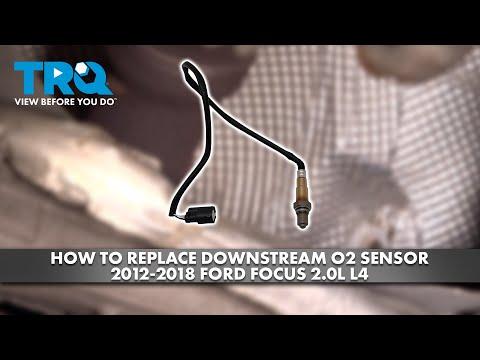






How to Replace the Oxygen Sensor on a 2012-2018 Ford Focus (Engine: Inline 4 2.0L)
Step-by-step DIY guide with tools, parts, torque specs, safety tips, and OBD-II checks for 2012, 2013, 2014, 2015, 2016, 2017, 2018
How to Replace the Oxygen Sensor on a 2012-2018 Ford Focus (Engine: Inline 4 2.0L)
Step-by-step DIY guide with tools, parts, torque specs, safety tips, and OBD-II checks for 2012, 2013, 2014, 2015, 2016, 2017, 2018


🔧 Focus - Oxygen Sensor Replacement
Your Focus uses oxygen sensors in the exhaust to help the engine computer control fuel mixture and monitor catalytic converter efficiency. Replacing a failed sensor usually involves unplugging the sensor connector, removing the sensor from the exhaust, and installing the new one carefully so the threads and wiring are not damaged.
Difficulty Level: Beginner to Intermediate | Estimated Time: 1-2 hours
Assumption: These steps apply to either upstream or downstream oxygen sensor replacement; identify the failed sensor from the diagnostic trouble code before replacing it.
⚠️ Safety & Precautions
- ⚠️ Let the exhaust cool completely before touching it. Oxygen sensors thread into the hot exhaust and can cause severe burns.
- 🧤 Wear gloves and safety glasses. Rust, road debris, and penetrating oil can fall while you work.
- 🚗 Support your Focus with jack stands before going underneath. Never rely on a floor jack alone.
- 🔋 Disconnect the negative battery cable before unplugging the oxygen sensor connector to reduce the chance of electrical faults.
- 🧪 Use only oxygen-sensor-safe anti-seize if the new sensor does not already have coating on the threads.
🔧 Required Tools
You'll need the following tools for this repair:
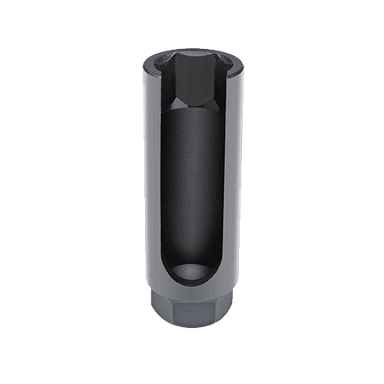
- 7/8 inch oxygen sensor socket (specialty)
- 3/8 inch drive ratchet
- 3/8 inch drive extension set
- 10mm socket
- Torque wrench, 3/8 inch drive
- Flathead screwdriver
- Trim clip removal tool
- Floor jack rated 2-ton minimum
- Jack stands rated 2-ton minimum
- Wheel chocks
- Penetrating oil
- Safety glasses
- Mechanic gloves
- OBD-II scan tool
🔩 Required Parts
HowToo sells all the parts you need for this repair:
- Oxygen sensor - Qty: 1
- Oxygen-sensor-safe anti-seize compound - Qty: 1 small packet
- Replacement exhaust heat shield clips - Qty: As needed
📋 Before You Begin
- Park your Focus on level ground and set the parking brake.
- Place wheel chocks behind the rear wheels before lifting the front.
- Use an OBD-II scan tool to read the code and identify the failed sensor location. “Bank 1 Sensor 1” is the upstream sensor before the catalytic converter. “Bank 1 Sensor 2” is the downstream sensor after the catalytic converter.
- An oxygen sensor socket is a deep socket with a side slot that fits around the sensor wire.
- Spray penetrating oil on the sensor threads and let it soak for 10-15 minutes if the sensor is rusty.
🔨 Step-by-Step Instructions
Follow these steps in order:
Step 1: Read the Fault Code
- Use an OBD-II scan tool to read the stored engine code.
- Confirm whether the code points to Bank 1 Sensor 1 or Bank 1 Sensor 2.
- Do not replace both sensors unless both are confirmed faulty.
- Match the code before buying parts.
Step 2: Disconnect the Battery
- Open the hood and locate the battery.
- Use a 10mm socket to loosen the negative battery terminal clamp.
- Move the negative cable away from the battery post so it cannot spring back.
Step 3: Raise and Support the Vehicle
- Use wheel chocks behind the rear wheels.
- Use a floor jack rated 2-ton minimum to lift the front of your Focus at the front jacking point.
- Place jack stands rated 2-ton minimum under the approved front support points.
- Gently lower the vehicle onto the jack stands and shake the car lightly to confirm it is stable.
Step 4: Locate the Oxygen Sensor
- Use safety glasses and mechanic gloves before working under the vehicle.
- For Bank 1 Sensor 1, look at the exhaust manifold area before the catalytic converter.
- For Bank 1 Sensor 2, look in the exhaust pipe after the catalytic converter.
- Follow the sensor wire from the exhaust body to its electrical connector.
Step 5: Remove Any Shield or Clip Blocking Access
- If a plastic splash shield or heat shield blocks access, use a trim clip removal tool to remove push clips.
- Use a flathead screwdriver to gently release retaining tabs if needed.
- Set clips aside in order so they go back in the same spots.
Step 6: Unplug the Oxygen Sensor Connector
- Use a flathead screwdriver to gently lift the connector lock tab if it is stuck.
- Pull on the connector body, not the wires.
- Note how the wire is routed through clips before removing it.
- Take a phone photo first.
Step 7: Loosen the Old Oxygen Sensor
- Spray penetrating oil at the base of the oxygen sensor where it threads into the exhaust.
- Let it soak for 10-15 minutes if corrosion is present.
- Slide the 7/8 inch oxygen sensor socket over the sensor wire and onto the sensor hex.
- Use a 3/8 inch drive ratchet and 3/8 inch drive extension if extra reach is needed.
- Turn counterclockwise to loosen the sensor.
Step 8: Remove the Old Sensor
- Once loose, continue turning the sensor counterclockwise by hand if possible.
- Keep the wire from twisting tightly as the sensor comes out.
- Compare the old sensor and new sensor to confirm the connector shape, wire length, and mounting threads match.
Step 9: Prepare the New Sensor
- Check the new sensor threads. Many new oxygen sensors come with anti-seize already applied.
- If the threads are dry, apply a small amount of oxygen-sensor-safe anti-seize compound to the threads only.
- Do not get anti-seize on the sensor tip.
Step 10: Install the New Oxygen Sensor
- Start the new sensor by hand to avoid cross-threading.
- Turn it clockwise several full turns by hand before using tools.
- Use the 7/8 inch oxygen sensor socket and torque wrench, 3/8 inch drive to tighten the sensor.
- Torque to 40 Nm (30 ft-lbs).
- If access prevents using a torque wrench, tighten snugly with the 3/8 inch drive ratchet without over-tightening.
Step 11: Route and Connect the Sensor Wire
- Route the wire exactly like the original so it stays away from the exhaust, axle, and steering parts.
- Push the connector together by hand until it clicks.
- Use a flathead screwdriver only if needed to help seat a wire retainer clip.
- Make sure the wire is not stretched or touching hot metal.
Step 12: Reinstall Shields and Lower the Vehicle
- Reinstall any splash shield or heat shield using the original clips.
- Use a trim clip removal tool or your fingers to seat push clips squarely.
- Use the floor jack rated 2-ton minimum to lift slightly, remove the jack stands rated 2-ton minimum, and lower the vehicle slowly.
Step 13: Reconnect the Battery
- Place the negative battery cable back onto the battery post.
- Use a 10mm socket to tighten the terminal clamp.
- Torque to 5 Nm (44 in-lbs).
Step 14: Clear Codes and Check Operation
- Use the OBD-II scan tool to clear the stored fault code.
- Start the engine and let it idle.
- Check that the check engine light stays off after the initial bulb check.
- Listen for exhaust leaks near the sensor.
✅ After Repair
- Drive your Focus for 10-20 minutes with a mix of idle, steady cruising, and gentle acceleration.
- Recheck for stored or pending codes with the OBD-II scan tool.
- If the same oxygen sensor code returns, inspect wiring, connector pins, exhaust leaks, and fuel trim data before replacing more parts.
- The engine computer may need a few drive cycles to complete emissions readiness monitors.
💰 DIY vs Shop Cost
Shop Cost: $180-$420 (parts + labor)
DIY Cost: $45-$180 (parts only)
You Save: $135-$240 by doing it yourself!
Shop labor rates vary but typically run $100-$150/hour. This repair takes a shop approximately 0.5-1.2 hours.
🎯 Ready to get started?
HowToo makes it easy: same-day/2-day shipping on every part, plus all the tools and specialty tools you need! Check out the parts and tools sections below to add everything to your cart.