

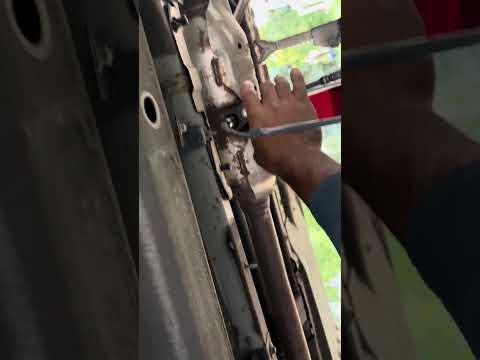






How to Replace the Oxygen Sensor on a 2010-2013 Hyundai Tucson (Engine: Inline 4 2.4L)
Step-by-step DIY guide with tools, parts, torque specs, safety tips, and code clearing for 2010, 2011, 2012, 2013
How to Replace the Oxygen Sensor on a 2010-2013 Hyundai Tucson (Engine: Inline 4 2.4L)
Step-by-step DIY guide with tools, parts, torque specs, safety tips, and code clearing for 2010, 2011, 2012, 2013


🔧 Tucson - Oxygen Sensor Replacement
Your Tucson uses oxygen sensors in the exhaust to help the engine computer control fuel mixture and monitor catalytic converter performance. Replacing a faulty oxygen sensor usually involves unplugging the sensor, removing it from the exhaust, installing the new one, and clearing any stored fault codes.
Difficulty Level: Beginner to Intermediate | Estimated Time: 1-2 hours
Assumption: These steps cover either upstream or downstream oxygen sensor replacement on your Tucson.
⚠️ Safety & Precautions
- ⚠️ Let the exhaust cool completely before starting. Oxygen sensors thread into the hot exhaust and can cause severe burns.
- ⚠️ Work on level ground and support your Tucson with jack stands if you raise it. Never rely on a jack alone.
- ⚠️ Disconnect the negative battery cable before unplugging the sensor to reduce the chance of electrical shorts.
- ⚠️ Do not twist the vehicle wiring harness. Turn only the oxygen sensor body.
- ⚠️ Use oxygen-sensor-safe anti-seize only if the new sensor threads are not already coated.
🔧 Required Tools
You'll need the following tools for this repair:
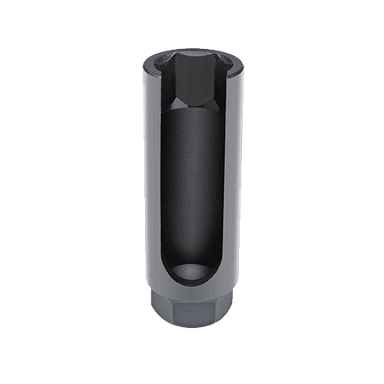
- 7/8 inch oxygen sensor socket (specialty)
- 3/8 inch ratchet
- 3/8 inch breaker bar
- 3/8 inch extension set
- 10mm socket
- Torque wrench rated 10-80 Nm
- OBD2 scan tool (specialty)
- Floor jack rated 3-ton minimum
- Jack stands rated 3-ton minimum
- Wheel chocks
- Penetrating oil
- Nitrile gloves
- Safety glasses
🔩 Required Parts
HowToo sells all the parts you need for this repair:
- Oxygen sensor - Qty: 1
- Oxygen-sensor-safe anti-seize compound - Qty: 1 small packet
- Exhaust sensor harness clip - Qty: As needed
📋 Before You Begin
- Park your Tucson on a level surface, shift to Park, and set the parking brake.
- Place wheel chocks behind the rear wheels if working near the front of the exhaust.
- If the sensor is under the vehicle, raise your Tucson with a floor jack and place it securely on jack stands.
- Use an OBD2 scan tool to identify which sensor is faulty before replacement. “Bank 1 Sensor 1” is the upstream sensor before the catalytic converter. “Bank 1 Sensor 2” is the downstream sensor after the catalytic converter.
- An oxygen sensor socket is a slotted socket that fits over the sensor wire while gripping the sensor hex.
🔨 Step-by-Step Instructions
Follow these steps in order:
Step 1: Cool and Prepare the Vehicle
- Let your Tucson sit until the exhaust is fully cool to the touch.
- Put on safety glasses and nitrile gloves.
- Use wheel chocks to secure the wheels before lifting.
- If needed, use a floor jack rated 3-ton minimum to raise the vehicle, then support it with jack stands rated 3-ton minimum.
Step 2: Disconnect the Battery
- Open the hood and locate the battery.
- Use a 10mm socket to loosen the negative battery terminal clamp.
- Move the negative cable aside so it cannot spring back onto the battery post.
- Black cable is negative.
Step 3: Locate the Oxygen Sensor
- Use your OBD2 scan tool code result to choose the correct sensor.
- For Bank 1 Sensor 1, look at the exhaust manifold area near the engine before the catalytic converter.
- For Bank 1 Sensor 2, look farther downstream in the exhaust after the catalytic converter.
- Trace the sensor wire from the exhaust sensor to its electrical connector.
Step 4: Unplug the Sensor Connector
- Press the connector lock tab by hand and unplug the oxygen sensor harness.
- If a harness clip is attached, gently release it by hand or with light finger pressure.
- Do not pull on the wires. Pull only on the plastic connector body.
- Take a photo before unplugging.
Step 5: Loosen the Old Oxygen Sensor
- Spray penetrating oil where the oxygen sensor threads into the exhaust.
- Let it soak for 10-15 minutes.
- Slide the 7/8 inch oxygen sensor socket over the sensor wire and onto the sensor hex.
- Use a 3/8 inch breaker bar to loosen the sensor counterclockwise.
- If space is tight, use a 3/8 inch extension set with the oxygen sensor socket.
Step 6: Remove the Old Sensor
- Once loose, use the 3/8 inch ratchet and 7/8 inch oxygen sensor socket to unscrew the sensor fully.
- Remove the sensor carefully so the wire does not snag on heat shields or brackets.
- Compare the old and new sensor connector shape and wire length before installation.
Step 7: Prepare the New Sensor
- Check the new oxygen sensor threads.
- If the threads already have a gray or silver coating, do not add more anti-seize.
- If the threads are bare, apply a very small amount of oxygen-sensor-safe anti-seize compound to the threads only.
- Keep anti-seize away from the sensor tip. The tip is the measuring end that sits inside the exhaust.
Step 8: Install the New Oxygen Sensor
- Start the new sensor by hand to avoid cross-threading. Cross-threading means the threads are started crooked and can damage the exhaust bung.
- Use the 7/8 inch oxygen sensor socket and 3/8 inch ratchet to snug the sensor.
- Use a torque wrench rated 10-80 Nm with the 7/8 inch oxygen sensor socket.
- Torque to 40-50 Nm (30-37 ft-lbs)
Step 9: Route and Plug In the Harness
- Route the new sensor wire the same way the original wire was routed.
- Keep the wire away from the exhaust pipe, driveshaft, and sharp edges.
- Plug the connector in by hand until it clicks.
- Secure the harness clip by hand. Replace any broken clip with a new exhaust sensor harness clip.
Step 10: Reconnect the Battery
- Place the negative battery cable back onto the battery post.
- Use a 10mm socket to tighten the terminal clamp.
- Do not overtighten the clamp. It only needs to be snug and unable to twist by hand.
Step 11: Clear Codes and Check Operation
- Use the OBD2 scan tool to clear stored engine codes.
- Start your Tucson and let it idle.
- Listen for exhaust leaks near the sensor. A leak may sound like a sharp ticking or puffing noise.
- If the vehicle was raised, use the floor jack rated 3-ton minimum to lift slightly, remove the jack stands rated 3-ton minimum, then lower it slowly.
✅ After Repair
- Drive your Tucson for 10-20 minutes with a mix of city and steady-speed driving.
- Use the OBD2 scan tool to check that no oxygen sensor codes return.
- If the check engine light comes back, recheck the connector, wire routing, and that the correct sensor position was replaced.
- Some emissions readiness monitors may need several drive cycles before showing complete.
💰 DIY vs Shop Cost
Shop Cost: $220-$450 (parts + labor)
DIY Cost: $60-$180 (parts only)
You Save: $160-$270 by doing it yourself!
Shop labor rates vary but typically run $100-$150/hour. This repair takes a shop approximately 0.7-1.5 hours.
🎯 Ready to get started?
HowToo makes it easy: same-day/2-day shipping on every part, plus all the tools and specialty tools you need! Check out the parts and tools sections below to add everything to your cart.