






How to Replace the Oxygen Sensor on a 2010-2013 Hyundai Tucson (Engine: Inline 4 2.0L)
Step-by-step O2 sensor guide with tools, parts, torque specs, safety tips, and code clearing for 2010, 2011, 2012, 2013
How to Replace the Oxygen Sensor on a 2010-2013 Hyundai Tucson (Engine: Inline 4 2.0L)
Step-by-step O2 sensor guide with tools, parts, torque specs, safety tips, and code clearing for 2010, 2011, 2012, 2013


🔧 Tucson - Oxygen Sensor Replacement
This repair replaces a faulty oxygen sensor, also called an O2 sensor. The O2 sensor measures oxygen in the exhaust so the engine computer can adjust fuel mixture and keep emissions under control.
Assumption: This guide covers the upstream air/fuel oxygen sensor and the downstream oxygen sensor locations on your Tucson; replace only the sensor identified by your trouble code or diagnosis.
Difficulty Level: Beginner | Estimated Time: 1-2 hours
⚠️ Safety & Precautions
- ⚠️ Exhaust parts get extremely hot. Let the engine and exhaust cool for at least 1 hour before starting.
- 🧤 Wear safety glasses and gloves to protect your hands from rust, sharp heat shields, and penetrating oil.
- 🚗 If raising your Tucson, support it with jack stands only. Never work under a vehicle held up by a jack alone.
- 🔋 Disconnect the negative battery cable before unplugging the sensor to reduce the chance of electrical shorts.
- 🧯 Use penetrating oil carefully. Keep it away from hot exhaust parts, flames, and sparks.
🔧 Required Tools
You'll need the following tools for this repair:
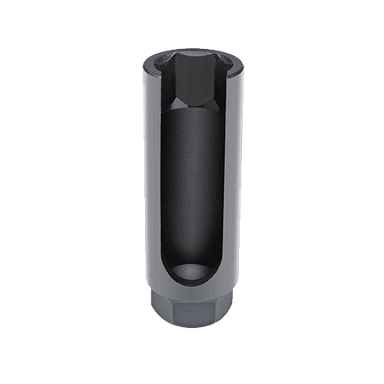
- 22mm oxygen sensor socket (specialty)
- 3/8-inch drive ratchet
- 3/8-inch drive 6-inch extension
- 10mm socket
- 10mm wrench
- Torque wrench rated 10-80 Nm
- Flat-blade screwdriver
- Trim clip removal tool
- Penetrating oil
- Floor jack rated 2-ton minimum
- Jack stands rated 2-ton minimum
- Wheel chocks
- Safety glasses
- Mechanic gloves
- OBD2 scan tool
🔩 Required Parts
HowToo sells all the parts you need for this repair:
- Oxygen sensor - Qty: 1
- Anti-seize compound - Qty: 1 small packet
- Replacement exhaust heat shield clips - Qty: As needed
📋 Before You Begin
- Park your Tucson on a flat, solid surface and set the parking brake.
- Place wheel chocks behind the rear wheels if you are lifting the front of the vehicle.
- Let the exhaust cool completely before touching the sensor or exhaust pipe.
- Read the diagnostic code with an OBD2 scan tool. An OBD2 scan tool is a plug-in reader that shows engine fault codes.
- Identify which sensor is being replaced:
- Bank 1 Sensor 1 is the upstream sensor, located before the catalytic converter near the exhaust manifold.
- Bank 1 Sensor 2 is the downstream sensor, located after the catalytic converter under the vehicle.
- Bank 1 means the only cylinder bank on your inline 4-cylinder engine.
🔨 Step-by-Step Instructions
Follow these steps in order:
Step 1: Disconnect the Battery
- Use a 10mm wrench to loosen the negative battery cable clamp.
- Lift the negative cable off the battery terminal and move it aside so it cannot spring back.
- Black cable is negative.
Step 2: Raise the Vehicle if Needed
- If replacing Bank 1 Sensor 2, use a floor jack rated 2-ton minimum to lift the front jacking point.
- Place jack stands rated 2-ton minimum under the approved front support points.
- Gently lower your Tucson onto the stands and shake the vehicle lightly to confirm it is stable.
- If replacing Bank 1 Sensor 1, you may be able to access it from the engine bay without lifting.
Step 3: Locate the Oxygen Sensor
- Use a flashlight if needed, but do not use an open flame.
- For Bank 1 Sensor 1, look at the exhaust manifold area at the front of the engine and follow the sensor wire to its connector.
- For Bank 1 Sensor 2, slide under the front of the vehicle and locate the sensor threaded into the exhaust pipe after the catalytic converter.
- If a lower splash shield blocks access, use a 10mm socket and trim clip removal tool to remove the fasteners and clips.
Step 4: Unplug the Sensor Connector
- Use your fingers to press the connector lock tab and unplug the oxygen sensor wiring connector.
- If the connector is stuck, use a flat-blade screwdriver gently to lift the lock tab.
- Do not pull on the wires. Pull only on the plastic connector body.
- Take a photo before removal.
Step 5: Free the Wiring from Clips
- Use a trim clip removal tool to release the sensor harness from any brackets or plastic retainers.
- Note the original wire routing. The new wire must stay away from the exhaust pipe.
Step 6: Loosen the Old Oxygen Sensor
- Spray a small amount of penetrating oil on the sensor threads where it enters the exhaust bung. The bung is the threaded fitting welded into the exhaust.
- Wait 5-10 minutes for the oil to soak in.
- Slide the 22mm oxygen sensor socket over the sensor wire and onto the sensor hex.
- Use a 3/8-inch drive ratchet and 3/8-inch drive 6-inch extension to turn the sensor counterclockwise.
- If it feels stuck, tighten it slightly, then loosen it again. This helps break rust loose.
Step 7: Remove the Old Sensor
- Once loose, spin the sensor out by hand while keeping the wire from twisting around nearby parts.
- Compare the old sensor to the new sensor to confirm the connector shape, wire length, and thread size match.
Step 8: Prepare the New Sensor
- If the new sensor threads already have gray anti-seize on them, do not add more.
- If the threads are bare, apply a tiny amount of anti-seize compound only to the metal threads.
- Keep anti-seize away from the sensor tip. The tip is the small exposed end that reads exhaust gas.
Step 9: Install the New Oxygen Sensor
- Thread the new sensor into the exhaust by hand first to avoid cross-threading.
- Use the 22mm oxygen sensor socket, 3/8-inch drive ratchet, and torque wrench rated 10-80 Nm to tighten it.
- Torque to 40-50 Nm (30-37 ft-lbs)
- Do not overtighten. The exhaust bung threads can be damaged.
Step 10: Route and Connect the Wiring
- Route the new sensor harness the same way the old one was routed.
- Use your hands and the trim clip removal tool as needed to secure the wire into the original clips.
- Push the connector together until it clicks.
- Make sure the wire is not touching the exhaust, axle, steering components, or sharp brackets.
Step 11: Reinstall Any Shields
- If you removed a lower splash shield, reinstall it using the 10mm socket and trim clip removal tool.
- Tighten small shield bolts snugly by hand with the ratchet.
- Torque to 7-10 Nm (62-89 in-lbs)
Step 12: Lower the Vehicle and Reconnect Battery
- Use the floor jack rated 2-ton minimum to lift your Tucson slightly off the jack stands.
- Remove the jack stands rated 2-ton minimum and lower the vehicle slowly.
- Use a 10mm wrench to reconnect the negative battery cable.
- Torque to 4-6 Nm (35-53 in-lbs)
Step 13: Clear the Code
- Plug the OBD2 scan tool into the diagnostic port under the driver side dash.
- Turn the ignition on without starting the engine.
- Use the OBD2 scan tool to clear the engine code.
- Start the engine and confirm the check engine light stays off.
✅ After Repair
- Start the engine and listen for exhaust leaks near the sensor. A leak may sound like ticking or puffing.
- Let the engine idle for several minutes and confirm it runs smoothly.
- Take a 10-15 minute test drive with steady cruising and light acceleration.
- Use the OBD2 scan tool after the drive to check for pending codes.
- If the check engine light returns, do not keep replacing sensors. Check for exhaust leaks, wiring damage, fuel trim issues, or catalytic converter faults.
💰 DIY vs Shop Cost
Shop Cost: $180-$450 (parts + labor)
DIY Cost: $45-$180 (parts only)
You Save: $135-$270 by doing it yourself!
Shop labor rates vary but typically run $100-$150/hour. This repair takes a shop approximately 0.7-1.5 hours.
🎯 Ready to get started?
HowToo makes it easy: same-day/2-day shipping on every part, plus all the tools and specialty tools you need! Check out the parts and tools sections below to add everything to your cart.