







How to Replace the Mass Air Flow (MAF) Sensor on a 2022 Honda Accord
Step-by-step DIY MAF sensor replacement with tools, parts list, safety tips, and post-repair checks for 2003, 2004, 2005
How to Replace the Mass Air Flow (MAF) Sensor on a 2022 Honda Accord
Step-by-step DIY MAF sensor replacement with tools, parts list, safety tips, and post-repair checks for 2003, 2004, 2005


🔧 Accord - Mass Air Flow (MAF) Sensor Replacement
The MAF sensor on your Accord measures how much air enters the engine so the computer can adjust fuel correctly. A faulty MAF can cause rough running, bad fuel economy, or warning lights. You’ll remove the air intake tube cover, unplug the sensor, and swap it with a new one.
Difficulty Level: Beginner | Estimated Time: 0.5–1 hour
⚠️ Safety & Precautions
- 🛑 Make sure the power mode is fully OFF and key fob is away from the car so the hybrid system does not wake up.
- 🛑 Let the engine and engine bay cool before starting to avoid burns.
- 🛑 Do not spray cleaners directly onto the new MAF sensor; they are very sensitive.
- 🛑 Avoid touching the tiny sensing element inside the MAF opening; oils from your skin can damage it.
- 🛑 Keep dirt out of the air intake tube while the sensor is removed.
- 🛑 Battery disconnect is not strictly required for this job, but you may disconnect the 12V negative terminal for extra safety if you wish.
🔧 Required Tools
You'll need the following tools for this repair:
- 🧰 10mm socket
- 🧰 1/4" drive ratchet
- 🧰 1/4" drive extension (3–6")
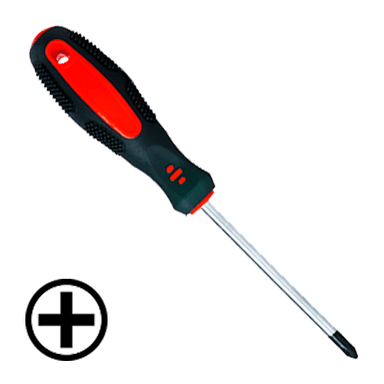
- 🧰 Phillips #2 screwdriver
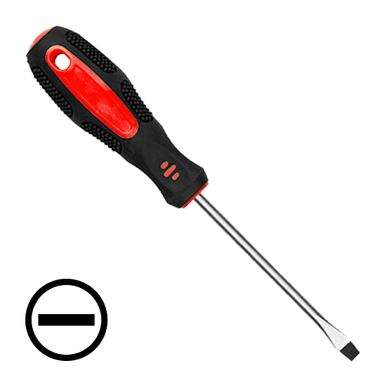
- 🧰 Flat blade screwdriver (6–8mm tip)
- 🧰 Trim clip removal tool
- 🧰 Digital multimeter (specialty)
- 🧰 OBD2 scan tool (specialty)
- 🧰 Mechanic’s gloves
- 🧰 Safety glasses
- 🧰 Shop towels
🔩 Required Parts
HowToo sells all the parts you need for this repair:
- 🔩 Mass air flow (MAF) sensor (for 2.0L Hybrid) - Qty: 1
- 🔩 MAF sensor sealing gasket or O-ring - Qty: 1
- 🔩 Replacement MAF mounting screws (if corroded) - Qty: 2
- 🔩 Electrical contact cleaner (sensor-safe) - Qty: 1
- 🔩 Dielectric grease (for connector terminals) - Qty: 1
📋 Before You Begin
- 🚗 Park your Accord on level ground, shift to P, and set the parking brake.
- 🔌 Turn the ignition fully OFF and open the hood using the interior hood release and then the hood latch under the front edge of the hood.
- 🔋 Optional: Disconnect the 12V battery negative cable using a 10mm socket and wrap the terminal so it cannot touch the post. This is not mandatory but prevents any chance of the engine starting.
- 📱 If any engine warning lights are on, note them before starting so you can confirm they clear later.
🔨 Step-by-Step Instructions
Follow these steps in order:
Step 1: Locate the MAF sensor
- Lift the hood and secure it with the hood prop.
- The MAF sensor on your Accord is mounted on the intake tube just after the air filter box, on the driver’s side of the engine bay.
- Look for a small rectangular plastic sensor with a wire connector plugged into it on the plastic intake duct.
- Compare new part to be sure you found it.
Step 2: Gain clear access (if covers are in the way)
- If there is a plastic engine cover blocking access, pull up firmly at the corners to pop it off its rubber mounts. No tools are usually required.
- If needed, remove any intake snorkel plastic clips using a trim clip removal tool.
- Set any removed covers or clips aside where they won’t get lost.
Step 3: Disconnect the MAF electrical connector
- Put on your mechanic’s gloves and safety glasses.
- Locate the small locking tab on the MAF connector.
- Press down on the tab with your thumb or gently lift it with a flat blade screwdriver while pulling the connector straight back.
- Do not pull on the wires themselves; only pull on the plastic body.
- If the connector is stuck, spray a small amount of electrical contact cleaner around it and wait a minute, then try again.
Step 4: Remove the MAF sensor
- Identify the two screws holding the MAF sensor to the intake tube.
- Use a Phillips #2 screwdriver (or the appropriate bit in your 1/4" drive ratchet if they are machine screws) to loosen and remove both screws.
- Keep the screws in a small tray so they don’t fall into the engine bay.
- Gently pull the MAF sensor straight out of the intake tube. Wiggle slightly if needed, but do not twist hard.
- Note the orientation (which way the sensor’s arrow or airflow marking points).
Step 5: Inspect the mounting area
- Look into the opening where the MAF was installed and make sure there is no dirt or debris.
- Use a clean shop towel around the outer surface only. Do not push cloth or anything down the intake.
- Check the old gasket or O-ring on the sensor or in the housing; remove it if it’s stuck in place.
- Good seal prevents air leaks and false readings.
Step 6: Prepare the new MAF sensor
- Unbox the new MAF sensor and compare it to the old one to confirm same shape, connector, and mounting holes.
- Install the new MAF sensor sealing gasket or O-ring on the new sensor if it is separate.
- Do not spray any cleaner on the new sensor element.
Step 7: Install the new MAF sensor
- Align the new MAF sensor with the opening in the intake tube in the same orientation as the original (airflow arrow pointing toward the engine).
- Slide the sensor straight into the housing, ensuring the gasket seats evenly all around.
- Install the mounting screws by hand to avoid cross-threading.
- Use the Phillips #2 screwdriver (or 1/4" drive ratchet with correct bit) to tighten the screws evenly, alternating between them.
- Torque to manufacturer specification (do not overtighten; just snug).
- Stop as soon as the sensor stops moving.
Step 8: Reconnect the electrical connector
- If the connector terminals look dirty or slightly corroded, spray a small amount of electrical contact cleaner and let it dry.
- Optional: Apply a tiny dab of dielectric grease around the rubber seal of the connector (not on the metal pins) to help keep moisture out.
- Push the connector onto the MAF sensor until you hear or feel a click from the locking tab.
- Gently tug on the connector to make sure it is fully seated.
Step 9: Reinstall any covers and reconnect battery (if removed)
- Reinstall any intake snorkel pieces and plastic clips you removed earlier, using the trim clip removal tool to push clips fully home.
- Press the engine cover back down onto its rubber mounts if you removed it.
- If you disconnected the battery, reconnect the negative cable and tighten the nut with a 10mm socket.
- Torque to manufacturer specification (snug; no movement of the cable).
Step 10: Clear codes and check operation
- Sit in the driver’s seat and turn the ignition to ON (but do not start the engine yet) to let the system power up.
- Connect your OBD2 scan tool to the diagnostic port under the dash.
- Use the scan tool to read and then clear any stored engine codes related to the MAF or air intake.
- Start the engine and let it idle for a few minutes. The idle may change slightly while the computer adapts to the new sensor.
- Use a digital multimeter only if you need to diagnose further issues by checking wiring voltage or ground, following the meter’s manual.
- If idle is smooth and no lights, you’re done.
✅ After Repair
- 🚗 Take your Accord for a short test drive with gentle acceleration and deceleration. Pay attention to idle quality, throttle response, and any hesitation.
- ⚠️ Watch the dashboard for any returning warning lights like the check engine light or powertrain warnings.
- 🔁 If a light returns, use the OBD2 scan tool to read codes; the problem could be wiring, a leak in the intake, or another sensor.
- 📉 Over the next few drives, you should notice smooth running and stable fuel economy if the old MAF was the issue.
💰 DIY vs Shop Cost
Shop Cost: $220–$380 (parts + labor)
DIY Cost: $90–$160 (parts only)
You Save: $130–$220 by doing it yourself!
Shop labor rates vary but typically run $100–$150/hour. This repair takes a shop approximately 0.5–1.0 hours.
🎯 Ready to get started?
HowToo makes it easy: same-day/2-day shipping on every part, plus all the tools and specialty tools you need! Check out the parts and tools sections above to add everything to your cart.