







How to Replace the Mass Air Flow (MAF) Sensor on a 2013 Toyota Camry
Step-by-step DIY instructions with required tools, parts list, safety tips, and MAF torque specs for 2012, 2013, 2014, 2015, 2016, 2017
How to Replace the Mass Air Flow (MAF) Sensor on a 2013 Toyota Camry
Step-by-step DIY instructions with required tools, parts list, safety tips, and MAF torque specs for 2012, 2013, 2014, 2015, 2016, 2017


🔧 Camry - Mass Air Flow (MAF) Sensor Replacement
The MAF sensor measures how much air enters your engine so the computer can add the right amount of fuel. A failed/dirty MAF can cause rough idle, hesitation, poor MPG, or a check engine light. Replacement is quick because it’s mounted in the air intake tube right after the air filter box.
Difficulty Level: Beginner | Estimated Time: 0.3-0.8 hours
⚠️ Safety & Precautions
- ⚠️ Turn the ignition OFF and remove the key before unplugging sensors.
- ⚠️ Let the engine cool so you don’t burn your hands on nearby parts.
- ⚠️ If you disconnect the battery, your radio presets may reset.
- ⚠️ Don’t touch the sensing element inside the MAF (it’s delicate).
🔧 Required Tools
You'll need the following tools for this repair:
- 10mm socket
- 1/4" ratchet
- 6" extension (1/4" drive)
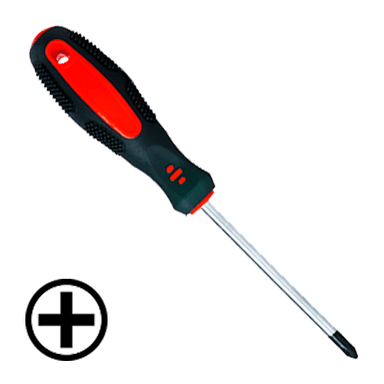
- Phillips #2 screwdriver
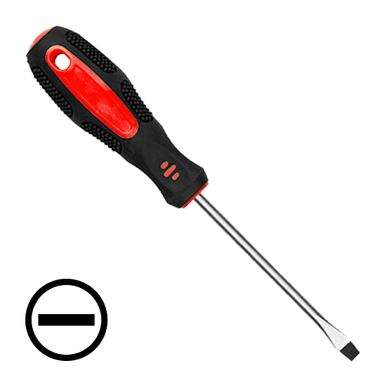
- Small flathead screwdriver
- Torque wrench (inch-pound)
- Nitrile gloves
- Safety glasses
🔩 Required Parts
HowToo sells all the parts you need for this repair:
- Mass air flow (MAF) sensor - Qty: 1
- MAF sensor O-ring/seal (if not included with sensor) - Qty: 1
📋 Before You Begin
- Park on level ground, shift to Park, and set the parking brake.
- Open the hood and locate the air filter box and intake tube (the MAF is mounted in that tube).
- If you choose to disconnect the battery: use a 10mm socket to remove the negative (-) terminal and move it aside so it can’t spring back.
🔨 Step-by-Step Instructions
Follow these steps in order:
Step 1: Locate the MAF sensor
- Find the sensor plugged into the intake tube just after the air filter box.
- The MAF has an electrical connector and is held in with 2 screws (commonly Phillips) or small bolts depending on the exact sensor.
Step 2: Unplug the electrical connector
- Press the lock tab on the connector and pull it straight off.
- If it’s stuck, use a small flathead screwdriver gently to help lift the lock tab. Don’t pry hard on the wires.
Step 3: Remove the MAF retaining screws/bolts
- If yours has screws: use a Phillips #2 screwdriver to remove the 2 screws.
- If yours has bolts: use a 10mm socket, 1/4" ratchet, and 6" extension to remove the 2 bolts.
- Set the fasteners somewhere safe (they’re easy to drop).
Step 4: Remove the old MAF sensor
- Pull the sensor straight out of the intake tube.
- Check for an O-ring/seal on the sensor. If it stayed in the housing, remove it carefully by hand (use nitrile gloves).
- Do not touch the sensing element.
Step 5: Install the new MAF sensor
- Install a new MAF sensor O-ring/seal if your new sensor didn’t come with one.
- Slide the new sensor into the intake tube the same way the old one came out (match the shape and alignment).
- Reinstall the screws/bolts by hand first to avoid cross-threading.
- Use a torque wrench (inch-pound) to tighten the MAF fasteners: Torque to 1.8 N·m (16 in-lbs).
Step 6: Reconnect the electrical connector
- Push the connector on until it clicks/locks.
Step 7: Reconnect the battery (if disconnected)
- Use a 10mm socket to reinstall the negative (-) battery terminal and tighten it securely.
✅ After Repair
- Start the engine and let it idle for 2–3 minutes. The idle may briefly change while it relearns.
- Check that the check engine light stays off.
- Take a short test drive (10–15 minutes) and confirm acceleration feels normal.
- If the check engine light was on before, you may need to clear the code and confirm it doesn’t return after a drive cycle.
💰 DIY vs Shop Cost
Shop Cost: $180-$400 (parts + labor)
DIY Cost: $70-$250 (parts only)
You Save: $110-$150 by doing it yourself!
Shop labor rates vary but typically run $100-$150/hour. This repair takes a shop approximately 0.3-0.8 hours.
🎯 Ready to get started?
HowToo makes it easy: same-day/2-day shipping on every part, plus all the tools and specialty tools you need! Check out the parts and tools sections below to add everything to your cart.