





How to Replace the MAP Sensor on a 2012 Jeep Wrangler 3.6L
Step-by-step guide for the no-MAF Wrangler setup with tools, parts, torque specs, and safety tips
How to Replace the MAP Sensor on a 2012 Jeep Wrangler 3.6L
Step-by-step guide for the no-MAF Wrangler setup with tools, parts, torque specs, and safety tips


🔧 Wrangler - Mass Air Flow Sensor Replacement
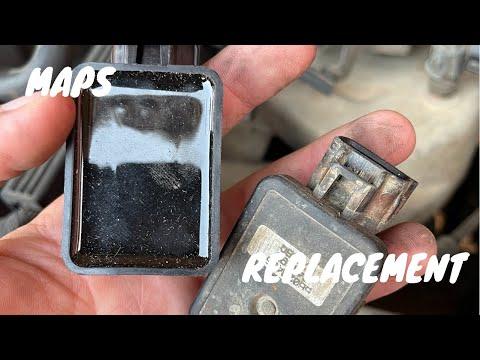
Your Wrangler’s 3.6L Pentastar does not use a traditional Mass Air Flow (MAF) sensor. It uses a MAP sensor, which stands for Manifold Absolute Pressure sensor, to measure intake pressure so the engine computer can calculate airflow.
This guide covers replacing the MAP sensor, which is the common sensor people mean when asking for a “MAF” on this engine.
Difficulty Level: Beginner | Estimated Time: 15-30 minutes
⚠️ Safety & Precautions
- ⚠️ Let the engine cool before working near the intake manifold.
- ⚠️ Disconnecting the battery is recommended to prevent accidental electrical shorts.
- ⚠️ Do not pull on sensor wires. Always release the connector lock first.
- ⚠️ Avoid dropping dirt into the intake opening after the sensor is removed.
🔧 Required Tools
You'll need the following tools for this repair:
- 10mm socket
- 1/4-inch drive ratchet
- 1/4-inch drive extension 3-inch
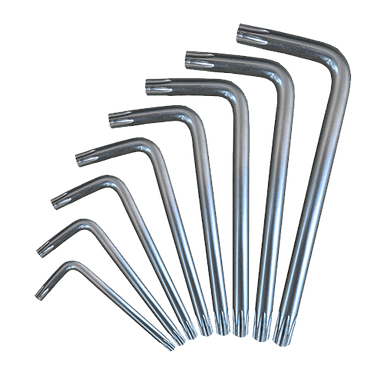
- Torx T20 screwdriver
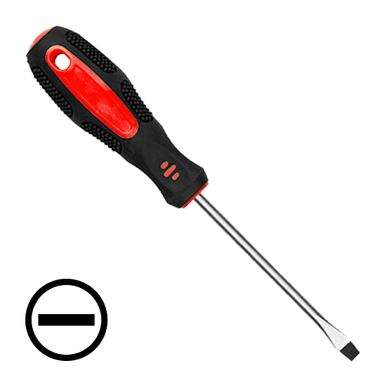
- Small flathead screwdriver
- Torque wrench inch-pound 20-200 in-lbs
- Nitrile gloves
- Safety glasses
🔩 Required Parts
HowToo sells all the parts you need for this repair:
- MAP sensor - Qty: 1
- MAP sensor O-ring seal - Qty: 1
📋 Before You Begin
- Park your Wrangler on level ground and set the parking brake.
- Turn the ignition off and remove the key.
- Open the hood and let the engine cool if it was recently running.
- A MAP sensor reads air pressure inside the intake manifold; your engine computer uses that reading to calculate fuel delivery.
- The sensor is mounted on the intake manifold near the upper engine area, not in the air intake tube like a traditional MAF sensor.
🔨 Step-by-Step Instructions
Follow these steps in order:
Step 1: Disconnect the Battery
- Put on safety glasses and nitrile gloves.
- Use a 10mm socket and 1/4-inch drive ratchet to loosen the negative battery terminal clamp.
- Lift the negative cable off the battery post and move it aside so it cannot touch the post.
- Negative terminal comes off first.
Step 2: Locate the MAP Sensor
- Stand at the front of your Wrangler and look at the top of the engine.
- Find the intake manifold, which is the large plastic air distribution housing on top of the engine.
- The MAP sensor is a small plastic sensor with an electrical connector attached to the intake manifold.
- Use a flashlight if needed to clearly see the connector and retaining screw.
Step 3: Release the Electrical Connector
- Use a small flathead screwdriver only if needed to gently lift the connector lock tab.
- Press the release tab with your thumb and pull the connector straight off the sensor.
- Do not pry hard on the plastic connector because it can crack with age.
- Push in before pulling out.
Step 4: Remove the MAP Sensor Screw
- Use a Torx T20 screwdriver to remove the MAP sensor retaining screw.
- If access is tight, use a 1/4-inch drive ratchet, 1/4-inch drive extension 3-inch, and a Torx T20 bit if your tool set includes one.
- Set the screw aside in a safe spot so it does not fall into the engine bay.
Step 5: Remove the Old MAP Sensor
- Grip the sensor body by hand and gently twist it left and right.
- Pull the sensor straight out of the intake manifold.
- The O-ring is the small rubber seal around the sensor; make sure it comes out with the old sensor.
- If the O-ring stays in the intake manifold, carefully remove it by hand or with a small flathead screwdriver.
- Do not scratch the sealing bore.
Step 6: Install the New MAP Sensor
- Compare the new MAP sensor with the old sensor before installing it.
- Make sure the new MAP sensor O-ring seal is seated on the new sensor.
- Lightly wet the O-ring with a clean fingertip to help it slide into place.
- Push the sensor straight into the intake manifold until it seats fully.
Step 7: Tighten the Retaining Screw
- Start the screw by hand to avoid cross-threading.
- Use a Torx T20 screwdriver to snug the screw.
- Use a torque wrench inch-pound 20-200 in-lbs to tighten the screw to Torque to 3 Nm (27 in-lbs).
- Do not overtighten because the intake manifold is plastic.
Step 8: Reconnect the Electrical Connector
- Push the electrical connector straight onto the MAP sensor until it clicks.
- Lightly tug the connector by hand to confirm it is locked.
- Make sure the wiring is not stretched, pinched, or resting against a hot surface.
Step 9: Reconnect the Battery
- Place the negative battery cable back onto the battery post.
- Use a 10mm socket and 1/4-inch drive ratchet to tighten the clamp snugly.
- Do not overtighten the battery clamp.
✅ After Repair
- Start your Wrangler and let it idle for 2-3 minutes.
- Listen for a smooth idle and check that the engine does not stumble or stall.
- If the check engine light was on, clear stored codes with a compatible OBD-II scan tool.
- Take a short test drive and confirm throttle response feels normal.
- If codes return, inspect the MAP sensor connector, wiring, intake leaks, and throttle body area before replacing more parts.
💰 DIY vs Shop Cost
Shop Cost: $150-$280 (parts + labor)
DIY Cost: $35-$95 (parts only)
You Save: $115-$185 by doing it yourself!
Shop labor rates vary but typically run $100-$150/hour. This repair takes a shop approximately 0.5-1.0 hour.
🎯 Ready to get started?
HowToo makes it easy: same-day/2-day shipping on every part, plus all the tools and specialty tools you need! Check out the parts and tools sections below to add everything to your cart.