






How to Replace the MAP & IAT Sensors (MAF Confusion) on a 2010 Honda Accord
Step-by-step sensor location help, tools/parts list, and torque specs (80–89 in-lbs) for 2008, 2009, 2010, 2011, 2012
How to Replace the MAP & IAT Sensors (MAF Confusion) on a 2010 Honda Accord
Step-by-step sensor location help, tools/parts list, and torque specs (80–89 in-lbs) for 2008, 2009, 2010, 2011, 2012


🔧 Accord - Air Intake Sensor Replacement (MAF Question)
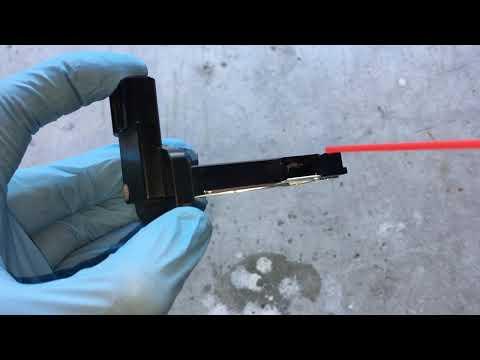
Your Accord’s 2.4L does not use a traditional Mass Air Flow (MAF) sensor. It uses a MAP sensor (Manifold Absolute Pressure) on the intake manifold and an IAT sensor (Intake Air Temperature) on the intake tube.
Below are step-by-step instructions for both sensors—replace the one you’re actually working on based on where it’s mounted.
Difficulty Level: Beginner | Estimated Time: 0.3-0.8 hours
⚠️ Safety & Precautions
- ⚠️ Work on a cool engine to avoid burns.
- ⚠️ Keep dirt out of the intake tube and manifold openings.
- ⚠️ If you disconnect the battery, you may need an idle relearn afterward.
🔧 Required Tools
You'll need the following tools for this repair:
- 10mm socket
- 1/4" drive ratchet
- 6" extension (1/4" drive)
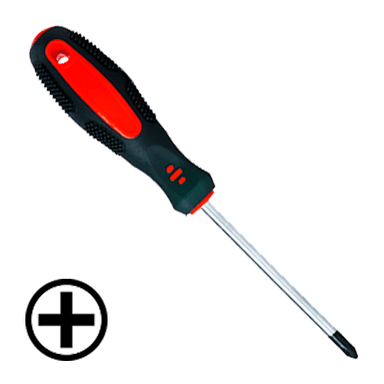
- Phillips screwdriver
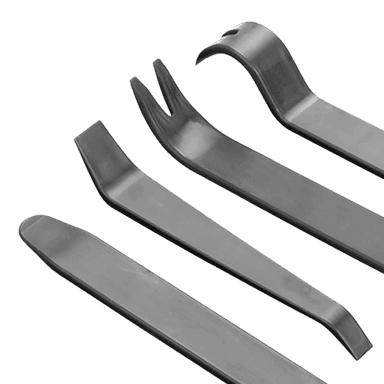
- Flat trim tool
- Inch-pound torque wrench (specialty)
- OBD2 scan tool (specialty)
- Nitrile gloves
- Safety glasses
🔩 Required Parts
HowToo sells all the parts you need for this repair:
- MAP sensor - Qty: 1
- IAT sensor - Qty: 1
- MAP sensor O-ring (if not included) - Qty: 1
- IAT sensor O-ring (if not included) - Qty: 1
📋 Before You Begin
- Park on level ground, set the parking brake, and open the hood.
- Optional: disconnect the negative battery terminal (not required, but safer around connectors).
- Locate the sensor you’re replacing:
- IAT sensor: small sensor plugged into the rubber/plastic intake tube near the air box/throttle body.
- MAP sensor: small sensor bolted to the intake manifold (usually near/behind the throttle body area).
🔨 Step-by-Step Instructions
Follow these steps in order:
Step 1: Confirm which “MAF” you’re looking at
- Use safety glasses and a light to find the sensor location.
- If it’s on the intake tube, follow the IAT sensor steps below.
- If it’s bolted to the intake manifold, follow the MAP sensor steps below.
Step 2 (IAT): Remove the intake tube clamp if needed
- Use a Phillips screwdriver to loosen the intake tube clamp(s) just enough to move the tube for access.
- Use a flat trim tool to gently free any clips holding the tube/loom if they block your hands.
- Don’t fully remove the tube unless necessary.
Step 3 (IAT): Unplug and remove the IAT sensor
- Press the connector tab and pull the plug straight off by hand (don’t pull the wires).
- Remove the sensor fastener (if equipped) using a 10mm socket, 1/4" ratchet, and extension.
- Pull the sensor straight out; a light twist by hand is OK if the O-ring sticks.
Step 4 (IAT): Install the new IAT sensor
- Lightly seat the new O-ring (should be clean and not pinched).
- Push the sensor straight in until fully seated.
- Tighten the fastener using an inch-pound torque wrench (specialty) (a small torque wrench for low torque values). Torque to 9 Nm (80 in-lbs).
- Reconnect the electrical plug until it clicks.
Step 5 (IAT): Re-tighten intake clamps
- Use a Phillips screwdriver to tighten the clamp(s) snugly.
- Make sure the tube is fully seated so you don’t create a vacuum/air leak.
Step 6 (MAP): Access the MAP sensor area
- If the sensor is hard to reach, loosen the intake tube clamp using a Phillips screwdriver to move the tube slightly for access.
- Keep tools and hardware away from the throttle opening.
Step 7 (MAP): Unplug and remove the MAP sensor
- Press the connector tab and pull the plug straight off by hand.
- Remove the MAP sensor mounting bolt(s) using a 10mm socket, 1/4" ratchet, and extension.
- Pull the MAP sensor straight out of the manifold (it seals with an O-ring).
Step 8 (MAP): Install the new MAP sensor
- Make sure the O-ring is in place and not twisted.
- Insert the sensor straight in and hold it flush to start the bolt(s) by hand.
- Tighten with an inch-pound torque wrench (specialty). Torque to 10 Nm (89 in-lbs).
- Reconnect the electrical plug until it clicks.
✅ After Repair
- Use an OBD2 scan tool (specialty) (a code reader that plugs under the dash) to clear any stored codes.
- Start the engine and listen for air leaks (hissing) around the intake tube and manifold.
- If you disconnected the battery or the idle is unstable, perform an idle relearn:
- Warm the engine fully (cooling fan cycles once).
- Turn off all accessories (A/C, lights, defroster).
- Let it idle undisturbed for about 5 minutes.
- Test drive 10 minutes and recheck for a check-engine light.
💰 DIY vs Shop Cost
Shop Cost: $150-$320 (parts + labor)
DIY Cost: $30-$160 (parts only)
You Save: $120-$160 by doing it yourself!
Shop labor rates vary but typically run $100-$150/hour. This repair takes a shop approximately 0.5-1.0 hours.
🎯 Ready to get started?
HowToo makes it easy: same-day/2-day shipping on every part, plus all the tools and specialty tools you need! Check out the parts and tools sections below to add everything to your cart.