





How to Replace the MAF Sensor on a 2017 Toyota Tacoma
Step-by-step instructions with tools, parts, torque specs, and repair tips for 2005, 2006, 2007, 2008, 2009, 2010, 2011, 2012, 2013, 2014, 2015, 2016, 2017, 2018, 2019, 2020, 2021, 2022, 2023
How to Replace the MAF Sensor on a 2017 Toyota Tacoma
Step-by-step instructions with tools, parts, torque specs, and repair tips for 2005, 2006, 2007, 2008, 2009, 2010, 2011, 2012, 2013, 2014, 2015, 2016, 2017, 2018, 2019, 2020, 2021, 2022, 2023


🔧 Tacoma - Mass Air Flow Sensor Replacement
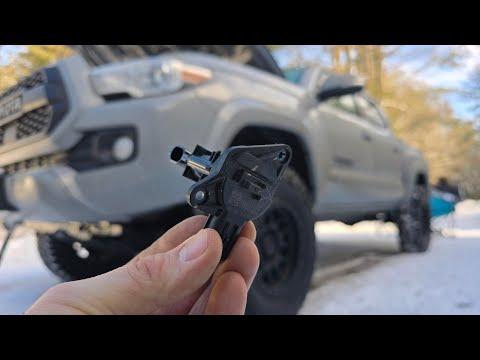
The mass air flow sensor measures incoming air so the engine computer can set fuel delivery correctly. If it is dirty or failed, you may get rough idle, hesitation, poor fuel economy, or a check engine light. On your Tacoma, the sensor is mounted in the air intake tube near the air filter box.
Difficulty Level: Beginner | Estimated Time: 0.5-1 hour
⚠️ Safety & Precautions
- Turn the ignition off and remove the key before unplugging the sensor.
- Do not touch the sensing wires inside the MAF sensor. They are very delicate.
- Do not use brake cleaner or carb cleaner on the sensor. Use only MAF-safe cleaner if cleaning.
- If the engine air intake duct is cracked or loose, fix that first. An air leak can mimic a bad sensor.
- No battery disconnect is usually required for this repair.
🔧 Required Tools
You'll need the following tools for this repair:
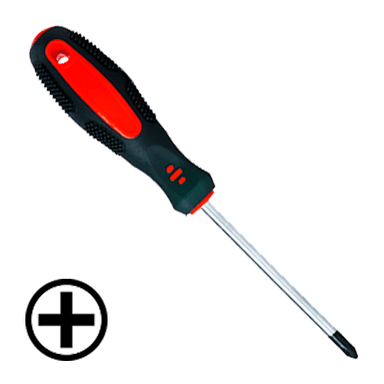
- Phillips screwdriver
- 7mm socket
- Ratchet
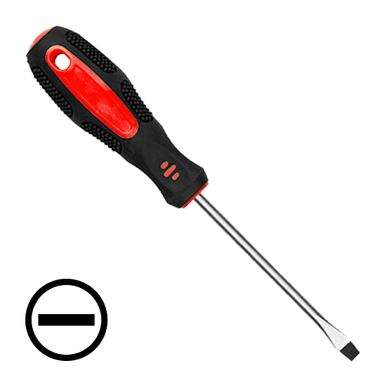
- Small flat-blade screwdriver
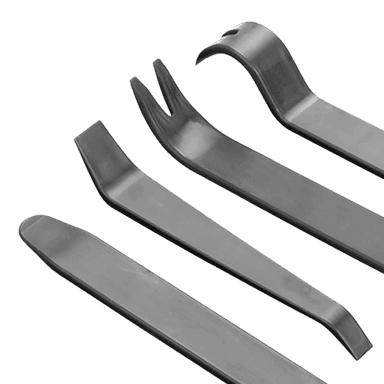
- Trim clip tool
- Safety glasses
- Gloves
🔩 Required Parts
HowToo sells all the parts you need for this repair:
- Mass air flow sensor - Qty: 1
- MAF sensor O-ring or seal - Qty: 1
- Air intake tube clamp - Qty: 1, if damaged
📋 Before You Begin
- Park on level ground and set the parking brake.
- Let the engine cool if it was recently running.
- Open the hood and locate the air filter box and intake tube.
- Keep dirt out of the intake.
🔨 Step-by-Step Instructions
Follow these steps in order:
Step 1: Access the sensor
- Open the hood and find the air filter housing on the driver side of the engine bay.
- Locate the MAF sensor on the intake tube at the outlet of the air box.
Step 2: Disconnect the electrical connector
- Use a small flat-blade screwdriver to release the connector lock if needed.
- Pull the connector straight off the sensor.
- Do not pull on the wires.
Step 3: Remove the air intake duct if needed
- Use a 7mm socket and ratchet to loosen the hose clamp on the intake tube.
- If the duct blocks access, loosen the clamp and move the tube aside.
- Mark the hose position first.
Step 4: Remove the MAF sensor
- Use a Phillips screwdriver to remove the MAF sensor screws.
- Lift the sensor straight out of the housing.
- Inspect the seal and the mounting surface for dirt or damage.
Step 5: Install the new sensor
- Place the new sensor in the same orientation as the old one.
- Use the Phillips screwdriver to reinstall the screws.
- Torque to 2.5-3.0 Nm (22-27 in-lbs).
Step 6: Reinstall the intake tube and connector
- Reposition the intake tube if removed.
- Use the 7mm socket to tighten the hose clamp snugly.
- Push the electrical connector onto the sensor until it clicks.
Step 7: Clear the fault and verify repair
- Start the engine and let it idle.
- Check for vacuum leaks, loose clamps, or warning lights.
- If the check engine light was on, clear codes with a scan tool.
✅ After Repair
- Take a short test drive and make sure throttle response is smooth.
- Watch for rough idle, hesitation, or a returning check engine light.
- If the light comes back, inspect the intake tube and air filter box for leaks.
💰 DIY vs Shop Cost
Shop Cost: $180-$350 (parts + labor)
DIY Cost: $60-$180 (parts only)
You Save: $120-$170 by doing it yourself!
Shop labor rates vary but typically run $100-$150/hour. This repair takes a shop approximately 0.5-1 hour.
🎯 Ready to get started?
HowToo makes it easy: same-day/2-day shipping on every part, plus all the tools and specialty tools you need! Check out the parts and tools sections below to add everything to your cart.