






How to Replace the MAF Sensor on a 2012-2018 Ford Focus (Trim: S | Engine: Inline 4 2.0L)
Step-by-step guide with tools, parts, torque specs, safety tips, and DIY cost savings for 2012, 2013, 2014, 2015, 2016, 2017, 2018
How to Replace the MAF Sensor on a 2012-2018 Ford Focus (Trim: S | Engine: Inline 4 2.0L)
Step-by-step guide with tools, parts, torque specs, safety tips, and DIY cost savings for 2012, 2013, 2014, 2015, 2016, 2017, 2018


🔧 Focus - MAF Sensor Replacement
The mass air flow sensor, often called the MAF sensor, measures how much air is entering the engine so the engine computer can add the right amount of fuel. On your Focus, replacing it is a beginner-friendly job because the sensor is mounted in the air intake tube near the air filter box.
Difficulty Level: Beginner | Estimated Time: 15-30 minutes
⚠️ Safety & Precautions
- ⚠️ Work with the engine off and cool so you do not touch hot engine parts.
- ⚠️ Do not touch the sensing wire inside the MAF sensor; it is delicate and can be damaged easily.
- ⚠️ Disconnect the negative battery cable before unplugging the sensor to reduce the chance of an electrical short.
- ⚠️ Keep dirt, leaves, and tools out of the intake tube while the sensor is removed.
🔧 Required Tools
You'll need the following tools for this repair:
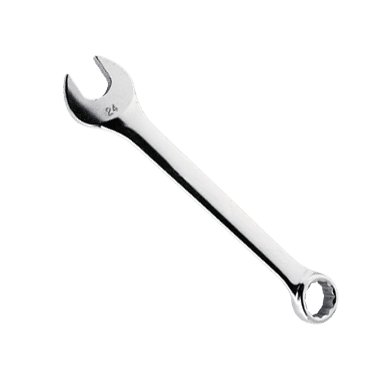
- 8mm wrench
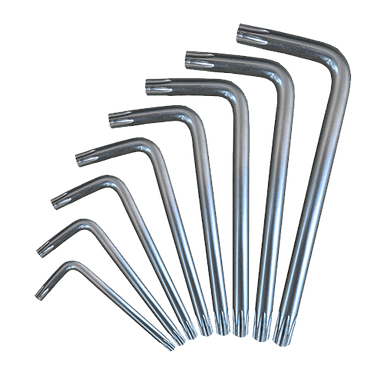
- Torx T20 screwdriver
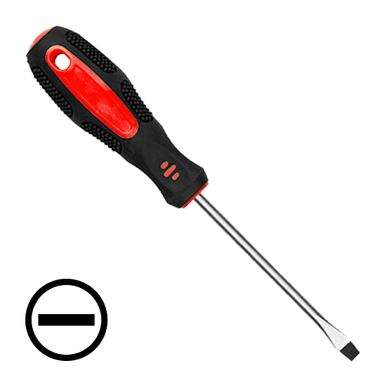
- Small flathead screwdriver
- Clean shop towel
- Nitrile gloves
- Safety glasses
🔩 Required Parts
HowToo sells all the parts you need for this repair:
- Mass air flow sensor - Qty: 1
- MAF sensor O-ring or seal - Qty: 1
📋 Before You Begin
- Park your Focus on level ground, shift into neutral, and apply the parking brake.
- Open the hood and let the engine cool for at least 10 minutes.
- The MAF sensor is located in the air intake duct near the air filter housing.
- A Torx screwdriver has a star-shaped tip; the MAF screws use a small Torx bit rather than a normal Phillips screw.
- Disconnecting the battery may reset radio presets and some learned idle values.
🔨 Step-by-Step Instructions
Follow these steps in order:
Step 1: Disconnect the Battery
- Put on safety glasses and nitrile gloves.
- Use an 8mm wrench to loosen the negative battery terminal clamp.
- Lift the negative cable off the battery post and move it aside so it cannot spring back and touch the post.
- Negative is marked with a minus sign.
Step 2: Find the MAF Sensor
- Stand at the front of your Focus and look for the black plastic air filter box on the driver-side/front area of the engine bay.
- Follow the intake tube from the air filter box toward the engine.
- The MAF sensor is the small sensor installed in that intake tube with an electrical connector plugged into it.
Step 3: Unplug the Electrical Connector
- Use your fingers to press the connector release tab and pull the connector straight off the MAF sensor.
- If the tab is stiff, use a small flathead screwdriver to gently lift the locking tab while pulling the connector back.
- Do not pull on the wires; pull only on the plastic connector body.
- Gentle pressure prevents broken connector tabs.
Step 4: Remove the Old MAF Sensor
- Use a Torx T20 screwdriver to remove the two MAF sensor retaining screws.
- Keep the screws in a safe place if the new sensor does not include replacements.
- Pull the MAF sensor straight out of the intake tube by hand.
- Place a clean shop towel lightly over the opening so nothing falls into the intake.
Step 5: Compare the Old and New Sensor
- Use your eyes to compare the old and new mass air flow sensor.
- Make sure the electrical connector shape, mounting holes, and sensor length match.
- Check that the new MAF sensor O-ring or seal is installed and seated flat.
- Do not touch the sensor element inside the new MAF sensor.
Step 6: Install the New MAF Sensor
- Remove the clean shop towel from the intake opening.
- Slide the new MAF sensor straight into the intake tube by hand.
- Make sure it sits flush against the intake tube and the screw holes line up.
- Use a Torx T20 screwdriver to install the two retaining screws.
- Tighten the screws evenly until snug. Do not overtighten because the intake tube is plastic.
- Torque to 2 Nm (18 in-lbs)
Step 7: Reconnect the Electrical Connector
- Push the electrical connector onto the new MAF sensor by hand until it clicks.
- Lightly tug the connector body to confirm it is locked in place.
Step 8: Reconnect the Battery
- Place the negative battery cable back onto the negative battery post.
- Use an 8mm wrench to tighten the terminal clamp.
- Torque to 5 Nm (44 in-lbs)
- Make sure the cable does not twist or move on the battery post.
✅ After Repair
- Start your Focus and let it idle for 2-3 minutes without pressing the gas pedal.
- The idle may be slightly uneven at first while the engine computer relearns airflow readings.
- Check that the engine runs smoothly and that the intake tube area is fully connected.
- If the check engine light was on, it may turn off after several drive cycles, or it can be cleared with a scan tool.
- Take a short test drive and confirm normal acceleration, no stalling, and no hesitation.
💰 DIY vs Shop Cost
Shop Cost: $180-$350 (parts + labor)
DIY Cost: $60-$180 (parts only)
You Save: $120-$170 by doing it yourself!
Shop labor rates vary but typically run $100-$150/hour. This repair takes a shop approximately 0.3-0.6 hours.
🎯 Ready to get started?
HowToo makes it easy: same-day/2-day shipping on every part, plus all the tools and specialty tools you need! Check out the parts and tools sections below to add everything to your cart.