





How to Replace the MAF Sensor on a 2004-2007 Ford Focus (Engine: Inline 3 1.0L)
Step-by-step guide with tools, parts, torque specs, safety tips, and code clearing for 2004, 2005, 2006, 2007
How to Replace the MAF Sensor on a 2004-2007 Ford Focus (Engine: Inline 3 1.0L)
Step-by-step guide with tools, parts, torque specs, safety tips, and code clearing for 2004, 2005, 2006, 2007


🔧 Focus - Mass Air Flow Sensor Replacement
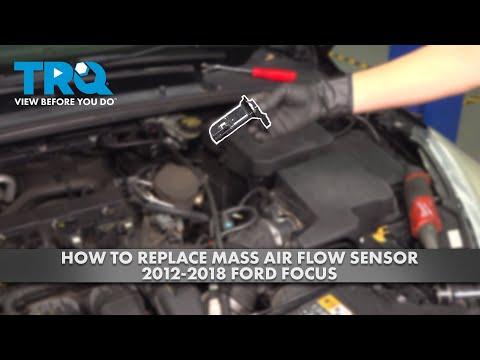
This repair replaces the Mass Air Flow sensor, usually called the MAF sensor. The MAF sensor measures incoming air so the engine computer can set the correct fuel mixture.
On your Focus, the MAF sensor is mounted in the intake air tube near the air filter housing. Handle the sensor gently because the sensing element is delicate.
Difficulty Level: Beginner | Estimated Time: 15-30 minutes
⚠️ Safety & Precautions
- ⚠️ Work with the engine off and cool to avoid burns from nearby engine and turbo components.
- ⚠️ Keep the key out of the ignition while the MAF sensor is unplugged.
- ⚠️ Disconnect the negative battery cable before unplugging the sensor.
- ⚠️ Do not touch the thin sensing element inside the MAF sensor.
- ⚠️ Do not use brake cleaner, carb cleaner, or compressed air on the MAF sensor.
🔧 Required Tools
You'll need the following tools for this repair:
- 10mm socket
- 1/4-inch ratchet
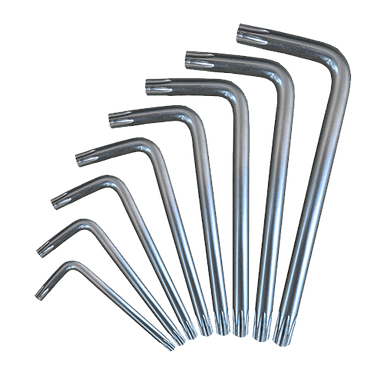
- Torx T20 screwdriver
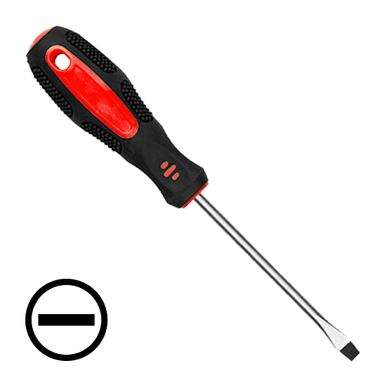
- Small flat-blade screwdriver
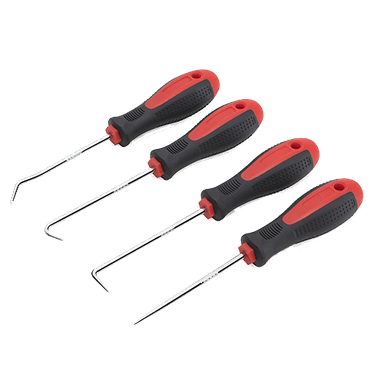
- Small pick tool
- Inch-pound torque screwdriver (specialty)
- OBD-II scan tool
- Nitrile gloves
- Safety glasses
🔩 Required Parts
HowToo sells all the parts you need for this repair:
- Mass Air Flow sensor - Qty: 1
- MAF sensor seal - Qty: 1
📋 Before You Begin
- 🅿️ Park your Focus on level ground, shift into neutral, and set the parking brake.
- 🔑 Turn the ignition fully off and remove the key.
- 🧊 Let the engine cool for at least 15 minutes if it was recently running.
- 🔋 Use a 10mm socket and 1/4-inch ratchet to loosen the negative battery cable, then move the cable aside so it cannot touch the battery post.
- 📘 A Torx screwdriver has a star-shaped tip. The MAF sensor screws commonly use a Torx T20 driver.
- 📘 An OBD-II scan tool plugs into the diagnostic port under the dashboard and lets you clear engine codes after the repair.
🔨 Step-by-Step Instructions
Follow these steps in order:
Step 1: Find the MAF Sensor
- Put on safety glasses and open the hood.
- Look for the air filter box and the plastic intake tube attached to it.
- The MAF sensor is the small sensor mounted in the intake tube with an electrical connector plugged into it.
- Use your phone to take a quick photo before removing anything. Photos help during reassembly.
Step 2: Unplug the MAF Connector
- Use a small pick tool to gently move the connector lock if your connector has one.
- Use a small flat-blade screwdriver to press the release tab on the connector.
- Pull the connector straight off by holding the plastic connector body.
- Do not pull on the wires.
Step 3: Remove the Old MAF Sensor
- Use a Torx T20 screwdriver to remove the two MAF sensor screws.
- Place the screws somewhere safe if the new sensor did not come with new screws.
- Pull the old MAF sensor straight out of the intake tube by hand.
- If it sticks, gently twist it side to side by hand while pulling upward.
Step 4: Check the Seal Area
- Use nitrile gloves and remove the old MAF sensor seal if it stayed in the intake tube.
- Look at the sensor opening for dirt, broken plastic, or a pinched seal.
- Use a clean dry cloth by hand to wipe only the outer mounting surface.
- Do not push dirt into the intake tube.
Step 5: Install the New MAF Sensor
- Make sure the new MAF sensor seal is installed on the new sensor.
- Slide the new MAF sensor straight into the intake tube by hand.
- Make sure it sits flat before installing the screws.
- Use the Torx T20 screwdriver to start both screws by hand first.
- Use the inch-pound torque screwdriver to tighten the screws evenly. Torque to 2.5 Nm (22 in-lbs)
Step 6: Plug the Connector Back In
- Push the electrical connector straight onto the MAF sensor until it clicks.
- Use your finger to slide the connector lock back into place if equipped.
- Gently pull on the connector body by hand to make sure it is locked.
Step 7: Reconnect the Battery
- Place the negative battery cable back onto the negative battery post.
- Use the 10mm socket and 1/4-inch ratchet to tighten the battery terminal. Torque to 5 Nm (44 in-lbs)
- Make sure the terminal does not twist by hand.
Step 8: Clear Codes and Test Idle
- Plug the OBD-II scan tool into the diagnostic port under the driver-side dashboard.
- Use the OBD-II scan tool to clear stored engine codes.
- Start your Focus and let it idle for 2-3 minutes without pressing the accelerator.
- Listen near the intake tube for a hissing sound. A hiss can mean an air leak at the seal or intake tube.
✅ After Repair
- ✅ Take a gentle 10-minute test drive.
- ✅ Make sure the engine idles smoothly and accelerates normally.
- ✅ Recheck that the MAF connector is fully seated after the test drive.
- ✅ If the check engine light comes back, use the OBD-II scan tool to read the code before replacing more parts.
💰 DIY vs Shop Cost
Shop Cost: $180-$350 (parts + labor)
DIY Cost: $60-$180 (parts only)
You Save: $120-$170 by doing it yourself!
Shop labor rates vary but typically run $100-$150/hour. This repair takes a shop approximately 0.5-1.0 hours.
🎯 Ready to get started?
HowToo makes it easy: same-day/2-day shipping on every part, plus all the tools and specialty tools you need! Check out the parts and tools sections below to add everything to your cart.