






How to Replace the Fuel Pump on a 2022 Honda Accord (Step-by-Step)
Complete DIY fuel pump replacement guide for the 2022 Honda Accord with tools, parts, torque specs, safety tips, and time/cost estimates for 2018, 2019, 2020, 2021, 2022, 2023, 2024
How to Replace the Fuel Pump on a 2022 Honda Accord (Step-by-Step)
Complete DIY fuel pump replacement guide for the 2022 Honda Accord with tools, parts, torque specs, safety tips, and time/cost estimates for 2018, 2019, 2020, 2021, 2022, 2023, 2024


🔧 Accord - Fuel Pump Replacement
On your Accord, the main fuel pump is inside the fuel tank and supplies fuel to the engine and high-pressure system. Replacing it involves safely depressurizing the fuel system, accessing the pump module from under the rear seat, and swapping the pump assembly with a new one. This is a detailed job, but you can do it carefully with patience and the right tools.
Difficulty Level: Advanced | Estimated Time: 3-4 hours
⚠️ Safety & Precautions
- ⚠️ High-voltage hybrid system: Do not touch orange cables or connectors; we will not disconnect high-voltage components for this job.
- ⚠️ Fire risk: Work away from flames, sparks, heaters, or smoking. Gasoline vapors can ignite easily.
- ⚠️ Ventilation: Work in a very well-ventilated area or with doors/windows open to avoid breathing fuel vapors.
- ⚠️ Battery disconnection: You will disconnect the 12V battery negative terminal to avoid accidental sparks and pump activation.
- ⚠️ Fuel exposure: Wear gloves and safety glasses to avoid skin and eye contact with fuel.
- ⚠️ Cleanliness: Keep dirt out of the tank opening; contamination can damage the new pump and injectors.
- ⚠️ Support surfaces: You do not need to raise the car for this job; access is from inside the cabin.
🔧 Required Tools
You'll need the following tools for this repair:
- 🛠️ 10mm socket
- 🛠️ Ratchet handle 3/8"
- 🛠️ 3/8" extension bar
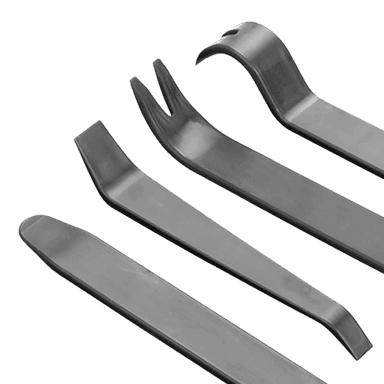
- 🛠️ Trim removal tool (plastic)
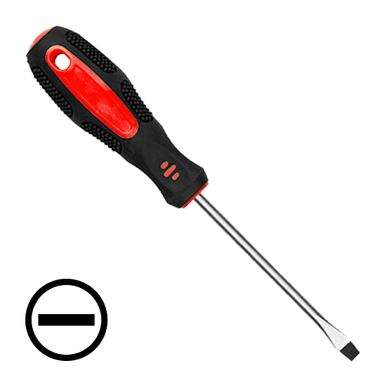
- 🛠️ Flathead screwdriver small
- 🛠️ Needle-nose pliers
- 🛠️ Fuel line disconnect tool set (Honda-style) (specialty)
- 🛠️ Fuel pump retaining ring tool (Honda fuel pump lock ring tool) (specialty)
- 🛠️ Torque wrench 3/8" drive (5-30 Nm range)
- 🛠️ Clean shop rags
- 🛠️ Small plastic container or drain pan
- 🛠️ Flashlight or work light (non-sparking, LED)
- 🛠️ Disposable nitrile gloves
- 🛠️ Safety glasses
🔩 Required Parts
HowToo sells all the parts you need for this repair:
- 🔩 In-tank fuel pump module assembly (with fuel level sender) - Qty: 1
- 🔩 Fuel pump module sealing gasket/O-ring - Qty: 1
- 🔩 Fuel line retaining clips (quick-connect clips) - Qty: 2-3
- 🔩 Electrical connector terminal grease (dielectric grease) - Qty: 1 small tube
- 🔩 Shop towels or absorbent pads - Qty: 1 pack
📋 Before You Begin
- Park your Accord on level ground, shift to Park, and set the parking brake.
- Lower the fuel level if possible; ideally below half a tank so the tank is lighter and there is less spillage.
- Turn off all accessories and remove the key fob from the car so the fuel pump does not prime unexpectedly.
- Open all doors or windows for ventilation while working.
- Disconnect the 12V battery:
- Open the hood.
- Use a 10mm socket and ratchet to loosen the negative (-) battery terminal clamp.
- Lift the clamp off and secure it so it cannot spring back to the terminal.
- Relieve fuel pressure (we will do this as part of the steps, but be aware some fuel will still be in the lines).
🔨 Step-by-Step Instructions
Follow these steps in order:
Step 1: Access the fuel pump under the rear seat
- Open the rear doors and locate the rear seat bottom cushion; on the Accord, the fuel pump access is under this cushion.
- Use a trim removal tool (plastic) to gently pop up the front edge clips of the rear seat bottom; there are usually two main clips near the front.
- Lift the front of the seat cushion and pull it forward to remove it from the car. Move slowly to avoid breaking clips
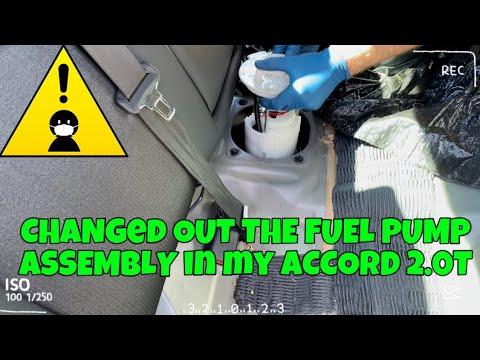
- Locate the round metal access cover on the floor; this is above the fuel pump module.
Step 2: Remove the access cover
- Use a flathead screwdriver small to carefully lift any insulation or tape over the access cover edge.
- If the cover is held by sealant or butyl tape, use the trim removal tool (plastic) to gently pry it up around the edges.
- Lift the cover and set it aside, keeping dirt away from the open area.
Step 3: Disconnect the fuel pump electrical connector
- Shine a flashlight or work light (non-sparking, LED) on the pump top to see the connectors clearly.
- Locate the main electrical connector; press the lock tab with your finger or a flathead screwdriver small and pull the connector straight off.
- If the connector is tight, gently wiggle while pulling; do not pull on the wires.
Step 4: Relieve fuel pressure at the line
- Place shop towels or absorbent pads around the fuel line connection to catch any fuel.
- Locate the fuel supply line quick-connect fitting on the pump top.
- Use the correct size fuel line disconnect tool set (Honda-style) (specialty) to release the quick-connect:
- Slide the tool into the fitting to spread the internal locks.
- While holding the tool in place, pull the fuel line off the pump fitting.
- Allow any fuel to drain into a small plastic container or drain pan, then plug or cap the line if possible. Keep rags ready for drips
Step 5: Clean around the pump and prepare to remove it
- Use clean shop rags to wipe dirt and dust from around the pump retaining ring and tank opening area.
- Make sure no loose debris can fall into the tank once it is open.
Step 6: Remove the fuel pump retaining ring
- The pump is held by a large plastic or metal locking ring.
- Install the fuel pump retaining ring tool (Honda fuel pump lock ring tool) (specialty) over the ring according to the tool’s design.
- Use a ratchet handle 3/8" and, if required, a 3/8" extension bar on the tool to turn the ring counterclockwise.
- Carefully spin the ring off and set it aside where it will stay clean.
Step 7: Remove the old fuel pump module
- Gently lift the pump module straight up by its top flange.
- As you pull it up, tilt and angle it slightly to clear the float arm for the fuel gauge; do not bend the arm.
- Allow excess fuel to drain from the pump into the tank for a few seconds before fully removing it.
- Place the old pump module into the small plastic container or drain pan so fuel does not spill inside the car.
Step 8: Remove and inspect the old sealing gasket
- Remove the old rubber sealing gasket/O-ring from the tank opening using needle-nose pliers if needed.
- Wipe the sealing surface on the tank with clean shop rags; make sure the surface is smooth and free of old gasket material.
Step 9: Prepare the new fuel pump module
- Compare the new pump module to the old one: check connector type, hose fittings, and float arm orientation to be sure they match.
- Install the new fuel pump module sealing gasket/O-ring onto the tank opening, not on the pump, unless the new pump instructions say otherwise.
- Lightly apply a very thin film of clean fuel to the gasket to help it seat; do not use oil or grease on the gasket.
Step 10: Install the new fuel pump module
- Lower the new pump module carefully into the tank, guiding the float arm so it does not snag or bend.
- Align the marks or tabs on the pump top with the marks on the tank (Honda usually has alignment marks molded into the plastic).
- Make sure the gasket stays in place and is not pinched out of position.
Step 11: Reinstall and torque the retaining ring
- Thread the retaining ring back on by hand to avoid cross-threading.
- Install the fuel pump retaining ring tool (Honda fuel pump lock ring tool) (specialty) over the ring.
- Use the ratchet handle 3/8" and torque wrench 3/8" drive (5-30 Nm range) to tighten the ring to Honda’s spec: Torque to 70-80 Nm (52-59 ft-lbs).
- Stop if the ring feels like it is jumping threads
Step 12: Reconnect the fuel line and electrical connector
- Push the fuel line quick-connect fitting straight onto the pump outlet until you hear or feel a click.
- Gently tug on the line to confirm it is locked.
- If you are replacing any fuel line retaining clips (quick-connect clips), install them now using needle-nose pliers.
- Apply a tiny dab of electrical connector terminal grease (dielectric grease) to the electrical connector seal if desired.
- Reconnect the pump electrical connector by pushing it straight on until it clicks.
Step 13: Reinstall the access cover and rear seat
- Place the metal access cover back in position over the pump opening.
- Press it down firmly; if there was adhesive or tape, press it back into place or add new sealing tape if needed.
- Reinstall the rear seat cushion:
- Slide the rear edge under the seatback.
- Push down firmly over each front clip location until you hear it snap in.
Step 14: Reconnect the 12V battery and prime the system
- Under the hood, reinstall the negative (-) battery cable onto the terminal.
- Use a 10mm socket and torque wrench 3/8" drive (5-30 Nm range) to tighten the clamp: Torque to 5-7 Nm (4-5 ft-lbs) (snug, not overly tight).
- Get into the driver’s seat with all doors closed.
- Without pressing the brake pedal, press the START/STOP button twice to turn the ignition to ON (do not start the engine). You should hear the fuel pump run for a few seconds.
- Turn ignition OFF, then repeat this prime cycle 2-3 times to build pressure.
Step 15: Start the engine and check for leaks
- Press the brake pedal and start the engine normally.
- Let the engine run at idle for a few minutes while you check around the fuel pump area (from inside the car under the seat) for any fuel smell or visible leaks.
- If you see or smell fuel, shut the engine off immediately and recheck the fuel line connection and pump seal.
- Once you are sure there are no leaks, reinstall any trim or insulation you moved.
✅ After Repair
- Verify that the engine starts easily and runs smoothly without hesitation.
- Check the fuel gauge reading; it should be reasonable for the known fuel level. If it is wildly wrong, the float arm may be mispositioned.
- Take a short, gentle test drive around your area and watch for any warning lights on the dashboard.
- After the drive, recheck the area under the rear seat for fuel odor or dampness.
💰 DIY vs Shop Cost
Shop Cost: $650-$950 (parts + labor)
DIY Cost: $250-$450 (parts only)
You Save: $200-$700 by doing it yourself!
Shop labor rates vary but typically run $100-$150/hour. This repair takes a shop approximately 2-3 hours.
🎯 Ready to get started?
HowToo makes it easy: same-day/2-day shipping on every part, plus all the tools and specialty tools you need! Check out the parts and tools sections above to add everything to your cart.