







How to Replace the Fuel Pump on a 2019 Ford Explorer
Step-by-step instructions with tools, parts, safety tips, and torque specs for 2013, 2014, 2015
How to Replace the Fuel Pump on a 2019 Ford Explorer
Step-by-step instructions with tools, parts, safety tips, and torque specs for 2013, 2014, 2015


🔧 Fuel Pump - Replacement
The fuel pump on your Explorer is inside the fuel tank, so the tank must be lowered to replace the pump module. This is a messy, safety-sensitive job because you’ll be working with fuel vapors, fuel lines, and a heavy tank.
Difficulty Level: Advanced | Estimated Time: 4-7 hours
⚠️ Safety & Precautions
- Work only in a well-ventilated area away from sparks, flames, and heaters.
- Disconnect the negative battery cable before starting.
- Relieve fuel system pressure before opening any fuel lines.
- Fuel may still spill when the lines are disconnected; wear eye protection and gloves.
- The fuel tank is heavy and awkward. Use a transmission jack or a sturdy floor jack with a wide support surface.
- Keep the tank as close to empty as possible before removal.
🔧 Required Tools
You'll need the following tools for this repair:
- Fuel line disconnect tool set
- Socket set 8mm-18mm
- Ratchet and extensions
- Torque wrench
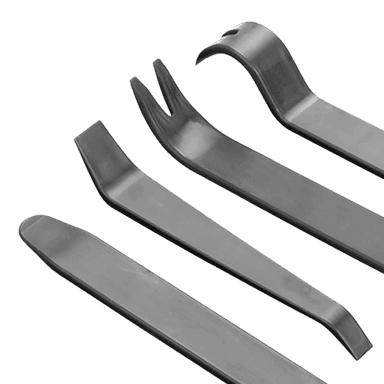
- Flat trim tool
- Floor jack (rated 3-ton minimum)
- Jack stands (rated for vehicle weight)
- Transmission jack or wide-support jack
- Fuel-safe drain pan
- Brass punch
- Non-sparking hammer
- Safety glasses
- Nitrile gloves
- Shop rags
🔩 Required Parts
HowToo sells all the parts you need for this repair:
- Fuel pump module - Qty: 1
- Fuel tank seal ring - Qty: 1
- Fuel filter sock - Qty: 1
- Fuel tank straps, if corroded or damaged - Qty: 2
- Fuel line O-rings / seals - Qty: 1 set
- Evaporative emission hose seals, if equipped - Qty: 1 set
📋 Before You Begin
- Park on level ground and set the parking brake.
- Run the tank low before starting. Less fuel makes the tank easier and safer to lower.
- Disconnect the negative battery cable using an 8mm socket.
- Relieve fuel pressure at the service point if equipped, or follow the fuel pump fuse/relay pressure bleed procedure.
- Label every hose before disconnecting.
🔨 Step-by-Step Instructions
Follow these steps in order:
Step 1: Relieve fuel system pressure
- Use the correct fuel pressure bleed procedure for the fuel system before disconnecting lines.
- If using a scan tool or fuse method, make sure the engine stalls and cranks briefly with pressure relieved.
- Open the fuel filler cap carefully after pressure is relieved.
Step 2: Disconnect the battery
- Use an 8mm socket to disconnect the negative battery cable.
- Move the cable aside so it cannot touch the terminal.
Step 3: Raise and support the vehicle
- Use a floor jack and jack stands to raise and support the Explorer safely.
- Make sure the vehicle is stable before working underneath it.
Step 4: Remove underbody shields and supporting components
- Use the correct socket set and ratchet to remove any shields blocking the fuel tank.
- On AWD models, inspect for exhaust and driveshaft clearance. Remove any components that prevent safe tank removal.
Step 5: Support the fuel tank
- Place a transmission jack or wide-support jack under the fuel tank.
- Raise it just enough to hold the tank securely.
- Never let the tank hang by the hoses.
Step 6: Disconnect filler and vent hoses
- Use a flat trim tool if clamps or retainers need gentle release.
- Disconnect the fuel filler neck, vent hoses, and evaporative lines.
- Mark each connection so it goes back in the correct place.
Step 7: Disconnect electrical connectors and fuel lines
- Use a fuel line disconnect tool set to release the fuel supply and return lines.
- Disconnect the fuel pump electrical connector.
- Have a fuel-safe drain pan and shop rags ready for spill control.
Step 8: Lower the fuel tank
- Use the socket set and ratchet to remove the tank strap bolts.
- Lower the tank slowly with the jack.
- Check one more time that no hose or wire is still attached.
Step 9: Remove the fuel pump module
- Clean the top of the tank with shop air or a brush before opening it.
- Use a brass punch and non-sparking hammer to remove the lock ring if the design uses one.
- Lift the old fuel pump module out carefully.
- Remove the old seal ring from the tank.
Step 10: Install the new fuel pump module
- Install the new fuel tank seal ring on the tank opening.
- Lower the new fuel pump module into place in the same orientation as the old one.
- Install and lock the retaining ring fully.
- Torque the retaining ring to factory specification if a torque spec is provided by the service procedure.
Step 11: Reinstall the fuel tank
- Raise the tank slowly with the jack.
- Reconnect the fuel lines with the fuel line disconnect tool set.
- Reconnect the electrical connector, filler neck, vent hoses, and EVAP lines.
- Reinstall the tank straps and tighten the strap bolts.
- Torque the tank strap bolts to factory specification.
Step 12: Reinstall shields and lower the vehicle
- Reinstall all shields and removed parts using the correct socket set.
- Lower the Explorer off the jack stands.
- Reconnect the negative battery cable with an 8mm socket.
✅ After Repair
- Cycle the key to ON several times before starting to prime the fuel system.
- Check carefully for fuel leaks at the tank, lines, and filler neck.
- Start the engine and let it idle while watching for leaks or fuel smell.
- Clear any fuel system codes with a scan tool if needed.
- If the fuel gauge reads incorrectly, verify connector seating and scan for related faults.
💰 DIY vs Shop Cost
Shop Cost: $900-$1,700 (parts + labor)
DIY Cost: $250-$650 (parts only)
You Save: $650-$1,050 by doing it yourself!
Shop labor rates vary but typically run $100-$150/hour. This repair takes a shop approximately 4-7 hours.
🎯 Ready to get started?
HowToo makes it easy: same-day/2-day shipping on every part, plus all the tools and specialty tools you need! Check out the parts and tools sections below to add everything to your cart.